


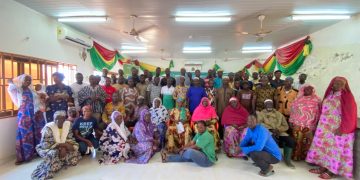
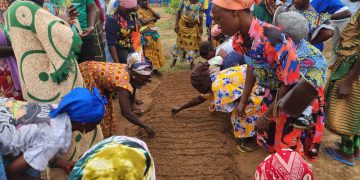
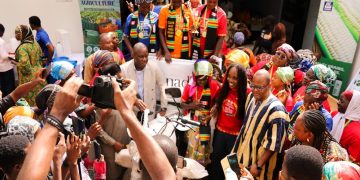
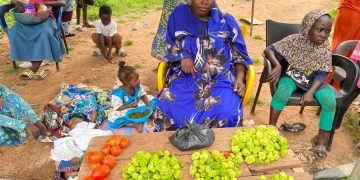














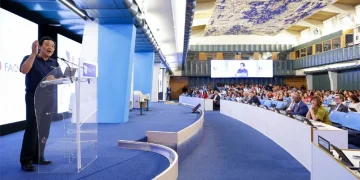










The United Nations University Institute for Natural Resources in Africa (UNU INRA), has convened a two day End of Project Workshop for the Innovating for Clean Agricultural Technologies (INFoCAT) project in Accra.
The workshop, held on January 29 and 30, 2026, marked the close of a three year project implemented in Ghana, Côte d’Ivoire and Senegal, with funding support from the International Development Research Centre (IDRC), under its Clean Energy for Development- A Call for Action (CEDCA) initiative.

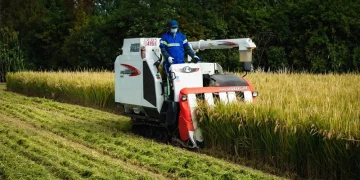
The INFoCAT project- implemented by UNU INRA in partnership with ENDA Énergie of Senegal and piloted in selected rural communities across the three countries- focused on promoting low cost, clean energy powered technologies to improve productivity, value addition and incomes among smallholder farmers.
The event brought together researchers, policymakers, development partners, and innovators to reflect on lessons from the initiative. It also served as a platform to synthesise evidence, share country experiences and explore pathways for scaling clean agritech solutions that support women and youth led enterprises while strengthening agricultural productivity and rural livelihoods.
Speaking at the opening, Principal Investigator and Director of UNU INRA, Professor Fatima Denton, said, the INFoCAT project was designed to support African entrepreneurs as countries move through the energy transition, with a strong focus on agriculture and women.
According to her, many women farmers continue to rely on basic and physically demanding energy systems for activities such as de-husking and processing, increasing their workload and limiting productivity. She said that INFoCAT explored how clean technologies could reduce this burden while improving efficiency.
Furthermore, she noted that the project aimed to give innovators the space, time and incentives they often lack, identifying suitable agricultural technologies and providing grants to help entrepreneurs grow their start ups.
Professor Denton stressed that resilience was central to the project, especially as climate change increasingly affects land and farming systems across the continent. She said clean energy technologies can help women farmers and entrepreneurs cope better with extreme events rather than being pushed further to the margins.
Dr Jean Pascal Correa of ENDA Énergie, one of the project coordinators, described the workshop as not just an end, but a step toward the next phase.
He said a key lesson from the project was that supporting women producers requires more than funding, and must include access to information, technology and a supportive environment. According to him, women producers often lack information about available technologies, while innovators struggle with financing, protection and scaling.
He noted that INFoCAT worked to link innovators with women producer groups while also addressing challenges such as financing, skills development and intellectual property protection, helping to create conditions for wider adoption of clean technologies.
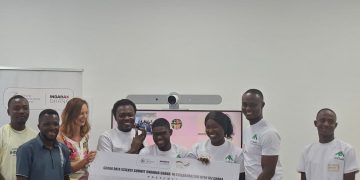
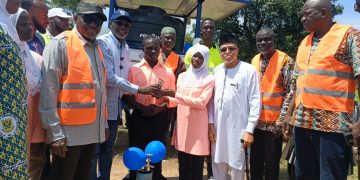
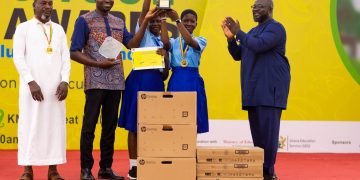
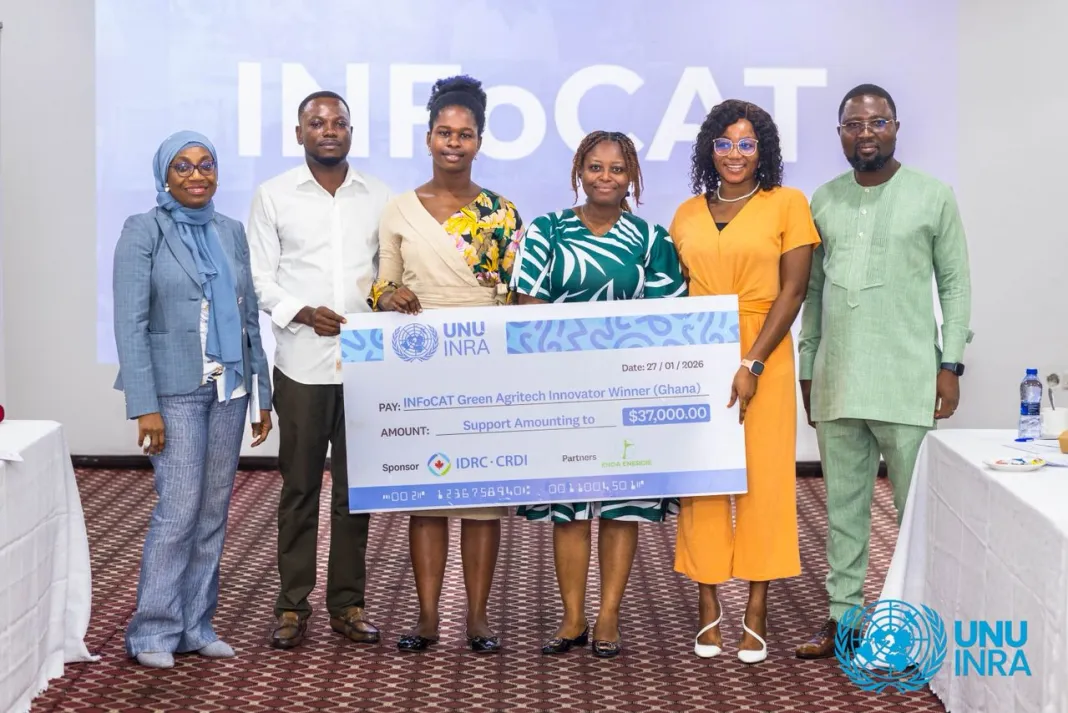
Ghanaian innovators featured prominently among the award winners at the end of the INFoCAT project. Wobil Technologies emerged as best performing innovation team, receiving US$25,000 as the country’s top prize. The group, made up of Erica Appiah and Charity Abena Azogmi- developed a solar powered grain winnower that cleans rice, soya beans, maize and other grains.
Ms Appiah, in a post-event media engagement said the programme helped the team transition from diesel powered machines to fully solar powered systems, cutting emissions while improving ease of use for women farmers. She added that, the funding and exposure will help scale production and reach more rural communities.
The first runner up from Ghana, Villiam Star Limited, received a cash prize of US$12,000. The team, comprising William Mikado and Gifty Samani, developed a clean energy powered cassava peeling and washing machine.
Mr Mikado said direct engagement with farmers under the INFoCAT project shaped how the machine was designed, ensuring it responds to real processing challenges. He noted the prize money will be invested back into improving the technology and expanding its use among smallholder farmers.
Innovators from Senegal and Côte d’Ivoire also received top awards under the INFoCAT project for their clean agricultural technology solutions- in recognition of their contributions to energy efficient processing, power generation and water management in agriculture.

INFoCAT was designed against the backdrop of growing pressure on African countries to pursue low carbon development pathways without deepening inequality. Agriculture remains central to food security and poverty reduction across the region, yet many smallholder farmers, particularly women, continue to face limited access to affordable and reliable clean energy and appropriate technologies for production, processing and storage.


