










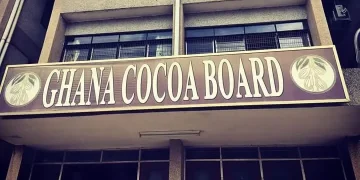
















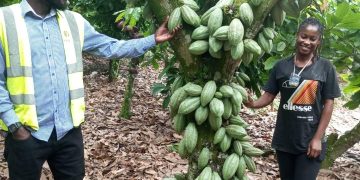











Cocoa farmers across the country are preparing to embark on a nationwide demonstration next week in protest against prolonged delays in payments for cocoa beans delivered to the Ghana Cocoa Board (COCOBOD) since November 2025.
The looming protest reflects deepening anger and frustration among farmers who say the non-payment of their proceeds has pushed many into severe financial distress, affecting their ability to cater for basic household needs.
Leaders of farmer cooperatives warn that the situation is fast becoming unsustainable, with some farmers reportedly unable to afford medical care, settle school fees or meet other essential expenses months after supplying their produce.
Speaking in an interview, the President of the Mankrong Cocoa Cooperative Farmers Association, Francis Teinor, appealed to COCOBOD and relevant government authorities to act swiftly to clear the outstanding arrears in order to avert unrest within the sector.
According to him, the payment delays are taking a toll on the health and welfare of cocoa farming families, many of whom rely solely on cocoa sales for their livelihoods.
“Some farmers are unwell and cannot even afford medical treatment because they have not been paid,” he said. “Schools have reopened, and parents are struggling to pay fees because their money has still not come.”
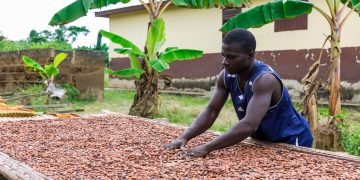
Mr Teinor also pointed to the lack of adequate storage facilities as a major challenge, explaining that farmers are unable to safely hold onto their cocoa while awaiting payment, leaving them with no buffer against the delays.
He warned that farmers’ patience was wearing thin, stressing that the situation had already persisted for several weeks without any clear communication or solution from COCOBOD.
“It has been more than six weeks, and farmers have still not received their money. The sector is suffering. If management fails to respond urgently, farmers will be left with no option but to take to the streets,” he cautioned.
The growing agitation among cocoa farmers highlights mounting tension within Ghana’s cocoa industry, which remains a critical pillar of the national economy and a major source of foreign exchange.
Stakeholders say swift government intervention is necessary to restore confidence, ensure prompt payment to farmers, and prevent disruptions that could undermine production and stability in the country’s leading export sector.

