

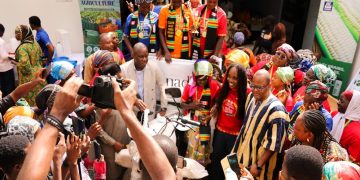












As part of Agrihouse Foundation’s vision and commitment to positively influence the agricultural sector with its initiatives, such as the Boost to Bloom project.
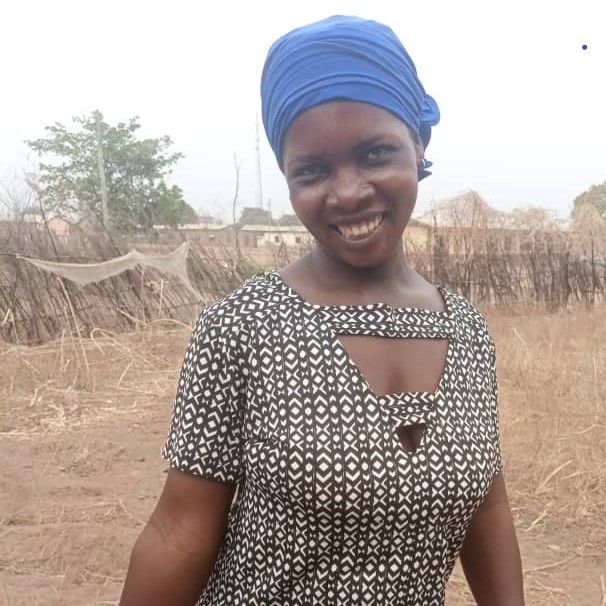
A beneficiary of the project, Manga Gloria shares her story after participating in the project as a woman yearning to enter into farming and ground herself.
When Manga Gloria, a 31-year-old woman, first dreamed of becoming a farmer, she had only one clear obstacle where to start, where at the peak of her zeal, she encountered Agrihouse Foundation’s Boost to Bloom.
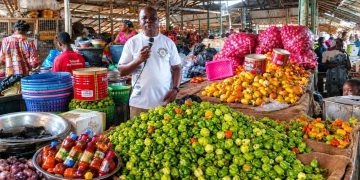
“For a long time, it was my dream to go into pepper farming, but I did not know where to start. I also did not have access to seeds or the right farming knowledge,” she confided, describing the frustrations of many young people in her community before an intervention changed her path.
That turning point came with the Boost to Bloom Project, an initiative led by Agrihouse Foundation aimed at empowering young farmers through training and access to essential farming inputs.
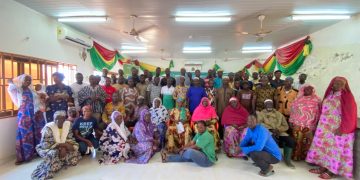
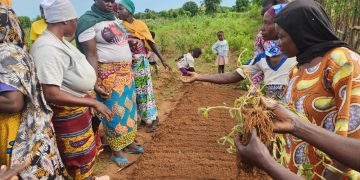
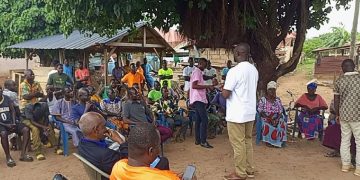
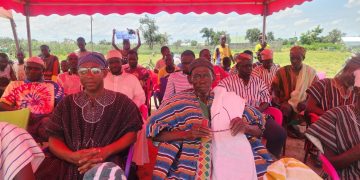
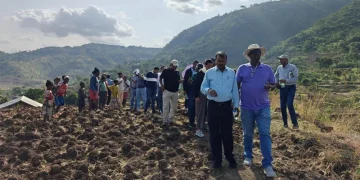
Agrihouse Foundation spent three days in Lingbinsi with four trainers, providing practical and interactive sessions to over 100 young women. Gloria recounted her first day experience describing it as “educative” and “hope.”
“On the first day, we had an interactive session where they taught us the importance of eating vegetables and how vegetable farming can help us create jobs and income in our community,” she said. “I was very excited because it gave me hope.”
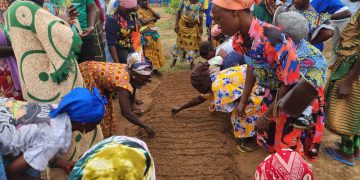
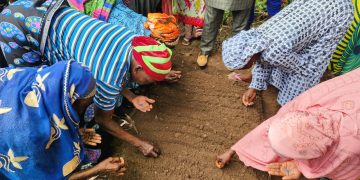
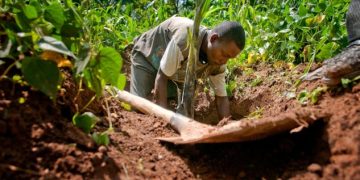
The second day focused on practical on‑farm training featuring essential farming techniques from ploughing to planting. “The trainers showed us how to clear the land, sterilize the soil, and plant pepper seeds the right way,” Gloria said. “I learned that we should not scatter the seeds, but plant them one by one in lines and cover them gently.”
On the third day, the Agrihouse Foundation team of trainers stayed with participants to prepare their lands for planting. “The Agrihouse team stayed with us and helped us plough our lands, so we were fully ready to start pepper farming,” she said.
Following the training, Gloria and her peers were organized into the Lingbinsi Bloomers, a group set up to support ongoing learning and collective action.
“We were given starter packs with pepper seeds, seed trays, fertilizer, cutlasses, and Wellington boots. This helped us to start farming immediately,” she said with pride.
The early results have been encouraging as planted seeds crossed to the next stage of germination with obvious progress. “The seeds I planted have germinated well, and I am already seeing good progress on my farm,” Gloria reported.
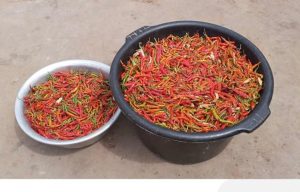
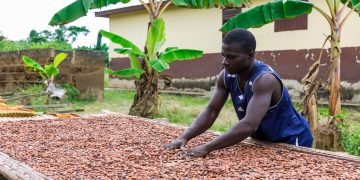
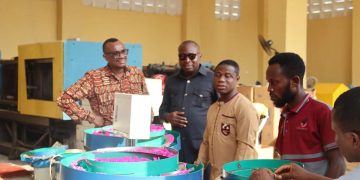
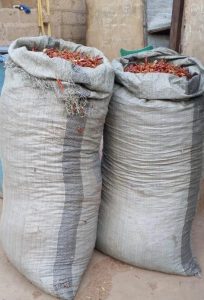
She also shares an important post‑harvest tip she learned: “I also learned that when drying pepper, it should not be dried directly under the sun, but kept in a shaded place to maintain good quality. We are now drying our pepper, and we hope to get a processing machine to help us process it better.”
For Gloria, the Boost to Bloom Project has been transformational and impactful meeting the rationale behind the initiative. “This project has given me confidence and skills, and I am happy to be a pepper farmer,” she said. “I am very grateful to AGRA and the Mastercard Foundation for supporting me and my community.”
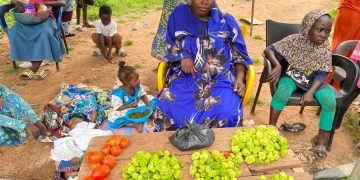
The project has brought new hope to Lingbinsi, proving that with the right training and support, young farmers especially women can take root, grow their businesses, and contribute to local food security and economic development.

