

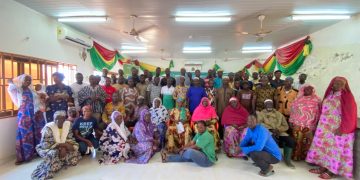
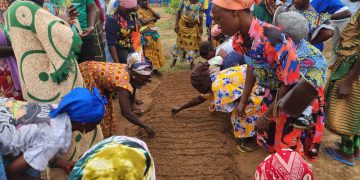
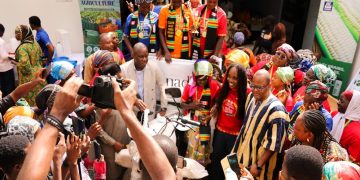
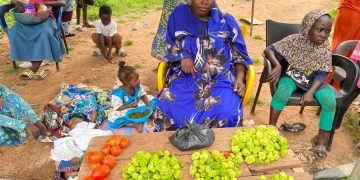
















Agrihouse Foundation has presented the latest impact results of its project, Boosting the production and competitiveness of horticultural crops to meet local demand while creating economic opportunities for youth, especially women in Northern Ghana, dubbed “The Boost to Bloom project”.
at the 2025 Fourth Quarter Joint Review and Reporting Meeting (JRRM) convened by AGRA in Kumasi.
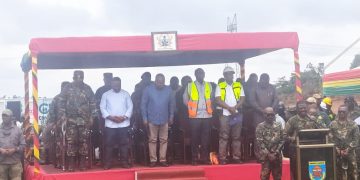
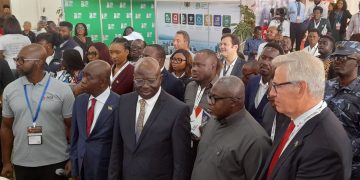
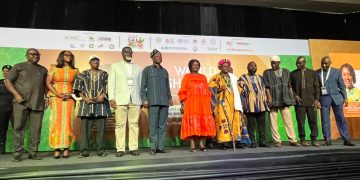
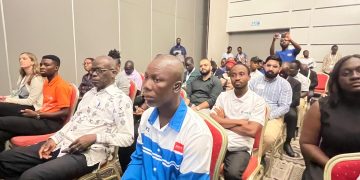
The high-level review meeting, held from February 9–13, 2026, at the Golden Bean Hotel, brought together implementing partners to assess programme performance, share lessons, and align strategies for the upcoming quarter.
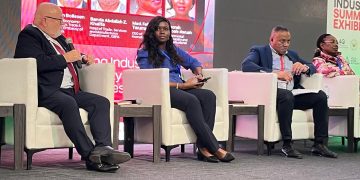
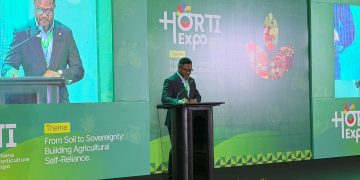
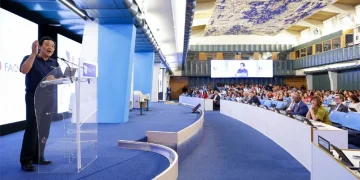
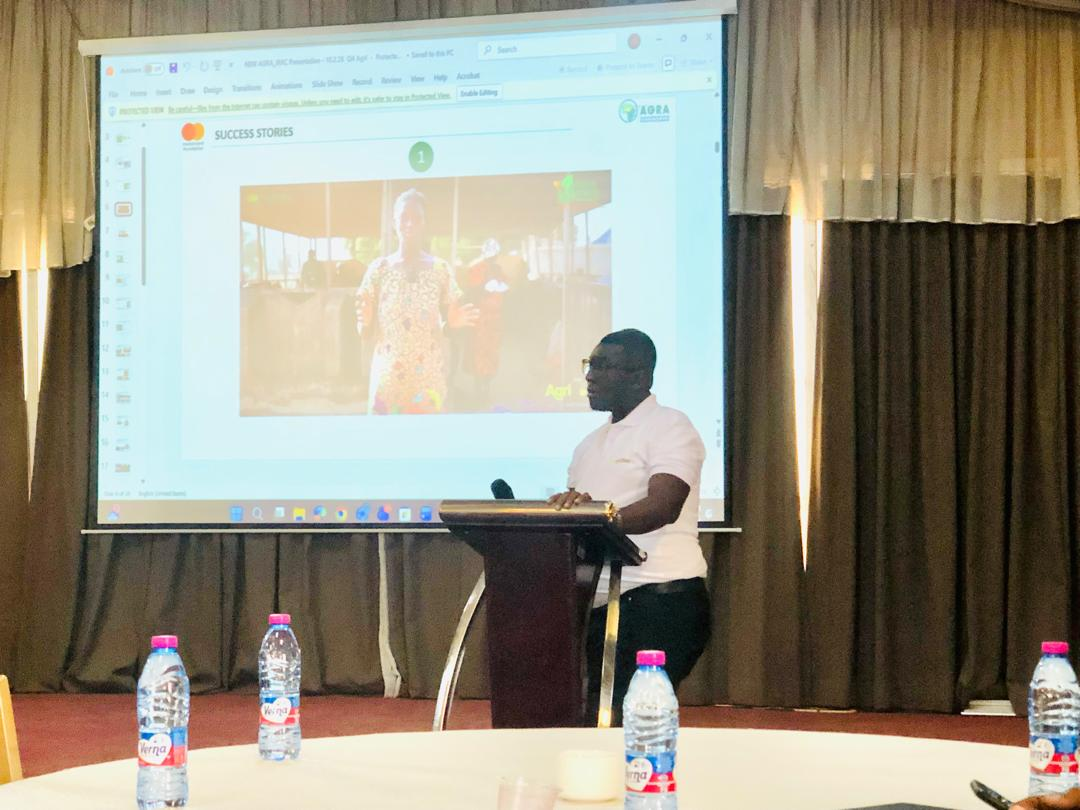
Agrihouse Foundation’s presentation led by the Chief Operating Director, Mr. Michael Opuni-Frimpong, detailed key milestones achieved under the Boost to Bloom Project between October and December 2025. The report highlighted progress against set targets, implementation challenges, lessons learned, and strategic priorities aimed at strengthening delivery in the next phase.

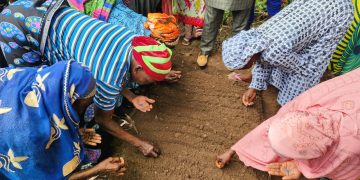
The Boost to Bloom Project formally titled “Boosting the production and competitiveness of horticultural crops to meet local demand while creating economic opportunities for youth, especially women in Northern Ghana” is being implemented across communities including Busunu, Yapei, Lingbinsi, Zabzugu, Dagbiriboari, Sakoti, Biung-Nungu, Nangodi, Bongo Soe and Ayelbia.
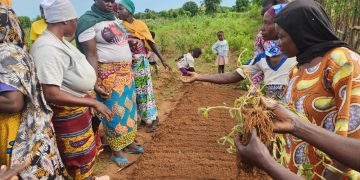
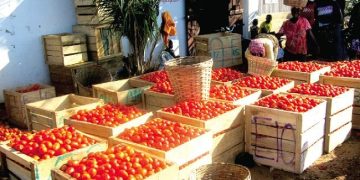
The initiative focuses on scaling the production of high-demand vegetables such as pepper, onion, and tomatoes to improve household incomes, enhance nutrition, and strengthen food security. Central to the project’s design is the creation of 20,000 dignified jobs for young people, particularly women and persons with disabilities, across Northern Ghana.

The Boost to Bloom initiative is led by Agrihouse Foundation with strategic funding support from AGRA and the Mastercard Foundation under the Youth Entrepreneurship for the Future of Food and Agriculture (YEEFA) Programme.
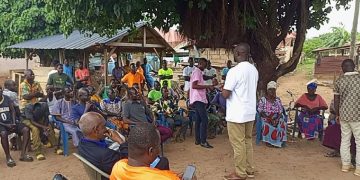
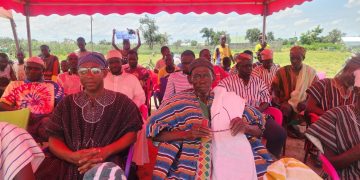
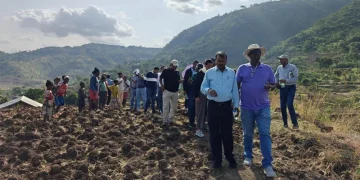
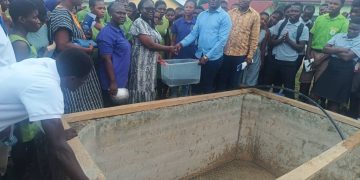
The meeting concluded with a field visit to selected project sites and other implementing partners to observe activities on the ground and engage directly with beneficiaries.

