




































Sustainable energy is indeed a strategic lever that makes it possible to modernize agricultural production, reduce post-harvest losses, and strengthen the resilience of rural communities in the face of climate change.
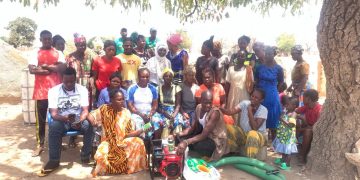
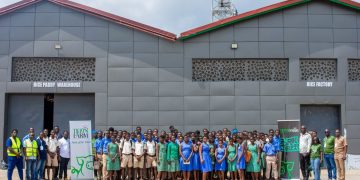
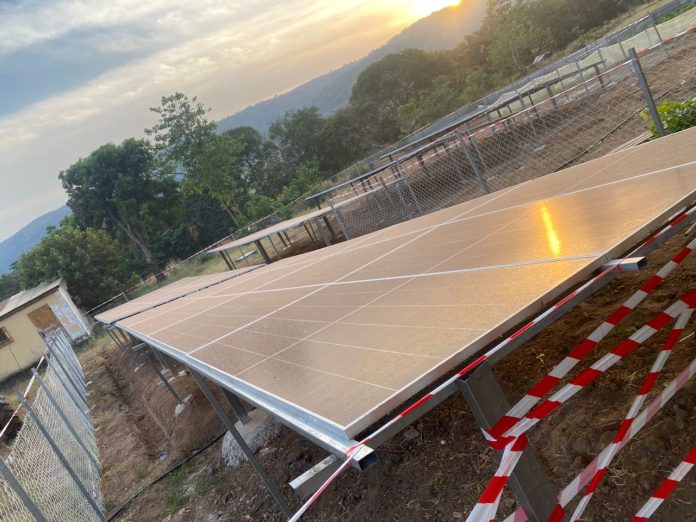
As part of its commitment to sustainable and resilient agri-food systems, FAO supported the installation of photovoltaic systems at the seed centers in Kilissi (Kindia) and Koba (Boffa), thereby strengthening the energy autonomy of strategic agricultural infrastructure in Guinea.
The integration of renewable energies (solar, biomass, biogas) into agri-food value chains helps reduce production costs, lower greenhouse gas emissions, and improve the competitiveness and sustainability of these sectors.
This action is part of the implementation of the Project for the Development of Commercial Agriculture in Guinea (PDACG), financed by the World Bank and executed in partnership with the Ministry of Agriculture and Livestock. The objective is to modernize the national seed system while integrating clean, reliable energy solutions adapted to rural areas.
These systems will ensure continuous electrical supply to renovated buildings, secure seed production and conservation activities, and reduce dependence on fossil energy sources.
Local and Global Impact Beyond its local impact, this initiative illustrates FAO’s global approach to promoting renewable energies, particularly solar power, as an essential lever for transforming agri-food systems. At the global level, FAO encourages the adoption of sustainable energy solutions to improve agricultural productivity, reduce post-harvest losses, strengthen climate resilience, and support rural development.
In Guinea, the solar electrification of the Kilissi and Koba centers achieves those objectives by creating an environment conducive to more modern, efficient, and environment-friendly agriculture. It also shows that access to clean energy is an essential factor in strengthening food security and supporting the transition to sustainable agri-food systems.
“Sustainable energy is at the heart of transforming agri-food systems. It enables better production, preserves the environment, and offers economic opportunities to rural populations,” emphasizes Lionel Gbaguidi, FAO Acting Representative in Guinea.
Source: FAO

