

























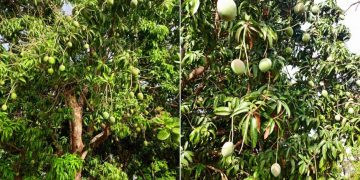






















Ghana’s mango sector has grown steadily over the past decade, emerging as a strategic contributor to agricultural diversification, agro-processing, and export earnings. Thousands of smallholder farmers depend on mango production for their livelihoods, while exporters and processors increasingly rely on the crop to meet growing regional and international demand. Despite this potential, the sector has long been affected by price volatility, weak bargaining power for farmers, and limited transparency at the farm gate. These challenges created the need for a structured and predictable pricing system for mangoes in Ghana.
The Federation of Associations of Ghanaian Exporters (FAGE) initiated advocacy for a formal mango price mechanism, recognizing that persistent price instability was undermining farmer confidence, export planning, and long-term investment in the sector. FAGE’s engagement highlighted the need for a transparent pricing reference that could balance farmer welfare with market competitiveness. With technical and facilitation support from GIZ Ghana through the AgriBiz Programme, a series of structured stakeholder engagements were organised to build consensus around the concept, scope, and operational design of the mechanism.
The mango price mechanism was developed to bring fairness, order, and predictability to the value chain. At its core, it establishes a minimum producer price that serves as a benchmark for transactions between farmers and buyers. This reference price is designed to reflect production costs, market realities, and export conditions, while protecting farmers from distress sales during periods of oversupply. By providing clarity on pricing expectations, the mechanism helps reduce disputes, strengthen trust among value-chain actors, and improve planning across the sector.
Beyond income protection, the price mechanism plays a critical role in improving transparency and governance within the mango industry. It creates a shared pricing framework for farmers, aggregators, exporters, and regulators, reducing information asymmetry and market manipulation. The mechanism also supports Ghana’s competitiveness in international markets by taking into account global price trends, exchange rate movements, and quality requirements. Importantly, it reinforces incentives for quality improvement, as differentiated pricing allows higher-grade mangoes to attract negotiated premiums.
Institutional leadership has been central to the credibility and sustainability of the mechanism. The Tree Crops Development Authority (TCDA), as the statutory regulator for mango and other selected tree crops, provides the governance framework and coordinates technical assessments, stakeholder consultations, and quality standards. The Ministry of Food and Agriculture (MoFA) complements this role by officially announcing the minimum producer price ahead of the mango season, ensuring transparency and alignment with national agricultural policies.
The pricing process itself is consultative and evidence-based. It begins with multi-stakeholder engagements involving farmers, exporters, processors, regulators, and development partners to review sector performance and identify key challenges from previous seasons. Market data is then analysed, including cost of production, expected yields, logistics and handling costs, international mango prices, and foreign exchange considerations. These inputs inform pricing scenarios that are discussed, refined, and validated through dialogue and negotiation. Once consensus is reached, the proposed minimum producer price is approved by MoFA and publicly communicated ahead of the production and marketing season.
Implementation of the mechanism recognises the importance of quality differentiation. The announced minimum price typically applies to standard-grade mangoes, while higher-quality produce can be sold at premium prices through direct negotiation. This approach protects farmers without distorting market incentives, while encouraging investments in improved farm management, post-harvest handling, and compliance with export standards.
Early outcomes from the mango price mechanism are encouraging. Farmers now have clearer price signals and greater confidence in marketing their produce, while buyers benefit from reduced uncertainty and more structured sourcing arrangements. Regulators and industry leaders also gain a practical tool for improving coordination, accountability, and long-term planning within the value chain. Over time, the mechanism is expected to stimulate investment, enhance quality standards, and strengthen Ghana’s position in regional and global mango markets.
In conclusion, the mango price mechanism represents a significant milestone in the governance of Ghana’s horticultural sector. Driven by private-sector advocacy, supported by development partners, and underpinned by strong public institutions, the mechanism demonstrates how collaborative approaches to pricing can enhance farmer livelihoods while fostering a competitive and resilient agribusiness ecosystem. Sustained stakeholder engagement, data transparency, and effective implementation will be critical to ensuring its long-term impact.
Source: Access Agric
Source: FAO

