









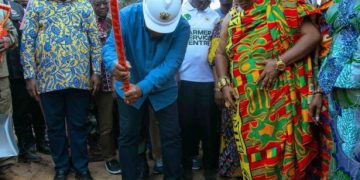































President John Dramani Mahama has announced steps to reactivate the Pwalugu Tomato Factory as part of the broader development agenda for the Upper East Region.
According to the president, measures are being taken to enable the factory to resume full operations.
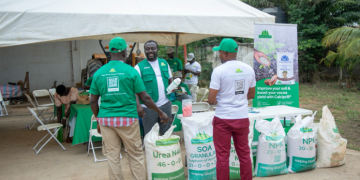
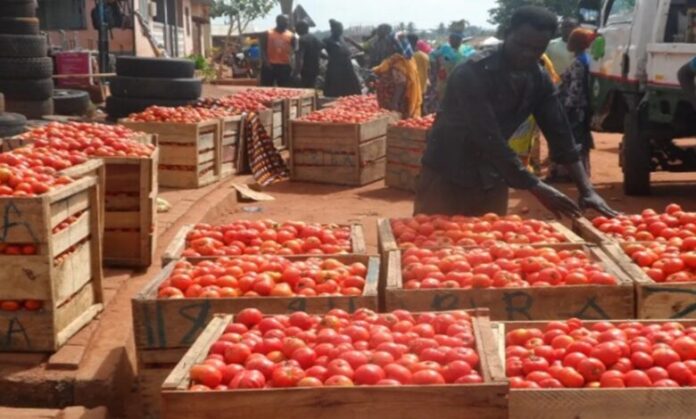
He disclosed that farmers within the factory’s catchment areas have been supplied with a new high-yield tomato seed variety with higher flesh content, selected specifically to meet the factory’s processing requirements.
President Mahama said the intervention is expected to boost tomato production, reduce post-harvest losses, create jobs, and support agro-industrial growth in the region. He added that the move will also provide a reliable market for local farmers.
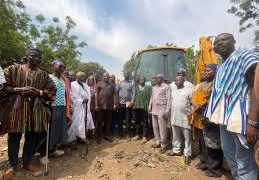
He was addressing members of the Upper East Regional House of Chiefs during a courtesy call at the Presidency in Accra.
Background
The factory was established by Kwame Nkrumah, Ghana’s first president. Construction was completed in 1961, along with several other factories built around the same time to further the Nkrumah government’s policy of import substitution. However, the factory did not begin operating until 1973.
After an extended closure, it recommenced operations in 2006 as Northern Star Tomato Company. At that time, it did not operate at full capacity.
In 2009, the Ministry of Trade and Industry provided funding to pay staff salaries and purchase tomatoes from farmers.
As of 2011, the factory had the capacity to handle 500 tonnes of raw tomatoes per day. It underwent its most recent corporate reorganisation in 2014.
The factory was featured in the 2019 Deutsche Welle documentary Tomatoes and Greed: The Exodus of Ghana’s Farmers. It has been reported that the factory had collapsed owing to the deprivation of the requisite tomato supply to let it work at the least level.

