













































The United States (US) has entered into a trade deal to export live cattle and poultry to Ethiopia, a move aimed at strengthening the East African nation’s food security and modernising its livestock sector.
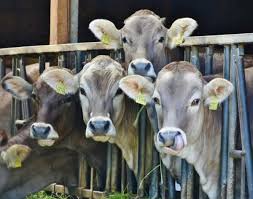
Under the newly agreed framework, Washington has obtained approval to ship live cattle, day-old chicks and hatching eggs to Ethiopia after both sides finalised updated veterinary health certificates in December 2025, marking a significant milestone in bilateral agricultural cooperation.
The agreement, confirmed by the Ethiopian Agricultural Authority on December 16, 2025, also opens the Ethiopian market to US bovine semen and embryos, providing avenues for the introduction of advanced genetics and reproductive technologies intended to boost livestock productivity.
Officials from both countries view the deal as a way to bolster Ethiopia’s domestic production capacity and reduce reliance on less productive, indigenous livestock breeds.
Ethiopian authorities have been prioritising a shift from extensive to more intensive and commercially oriented systems, including policies that encourage improved breeds, stronger feed supply chains and better farm management practices.
Ethiopia’s livestock sector is a cornerstone of its agricultural economy, supporting millions of smallholder farmers and contributing a significant share of agricultural GDP.
The country is home to one of the largest livestock populations in Africa — spanning cattle, sheep, goats, camels and poultry — and livestock activities form a key component of rural livelihoods.
However, productivity challenges persist, driven by limited access to quality genetics, feed shortages, inadequate veterinary services and underdeveloped processing infrastructure.
The US-Ethiopia trade agreement comes at a time when Ethiopia is seeking to strengthen domestic food production and food security in the face of a rapidly growing population and increasing demand for affordable animal protein.
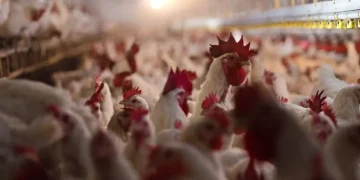
Poultry, in particular, has been identified as one of the fastest-growing livestock subsectors in the country due to its affordability, quick production cycles and suitability for both smallholder and commercial farms.
Under the new arrangement, Ethiopian poultry farmers will gain access to high-quality day-old chicks and hatching eggs from the US, which are expected to enhance egg production and meat yields through improved genetics.
These inputs have the potential to improve uniformity, disease tolerance and overall performance compared with traditional local breeds, which generally produce fewer eggs and grow more slowly.
Beyond direct farm productivity, the agreement is anticipated to strengthen Ethiopia’s broader poultry value chain. A reliable supply of quality chicks supports associated sectors such as hatchery operations, feed mills, veterinary services and egg marketing systems.
As production volumes rise, consumers may benefit from more stable egg supplies and potentially lower prices, improving access to animal protein across urban and rural communities.
The focus on certified hatching eggs and livestock imports also underscores the importance of biosecurity and animal health standards.
Export requirements emphasise disease control, vaccination protocols and traceability — factors that can encourage higher industry standards within Ethiopia’s livestock sector, reduce disease losses and foster sustainable growth.
While the agreement marks a step forward, experts note that the full benefits will depend on complementary investments in infrastructure, farmer training, feed availability and veterinary support. Without these elements, the impact of improved genetics and imports may be limited.
The US-Ethiopia livestock and poultry trade deal also carries broader diplomatic and economic significance.
It follows Washington’s recent support for Ethiopia’s $10 billion Bishoftu International Airport project near Addis Ababa, reflecting an expanding US interest in economic engagement in the Horn of Africa.
By facilitating access to quality livestock and poultry inputs, the deal aims to help Ethiopia modernise its agricultural sector, enhance food security and foster rural livelihoods, while creating new market opportunities for US exporters.
If implemented effectively, this partnership could play a key role in transforming Ethiopia’s livestock industry and contributing to long-term food system resilience.

