









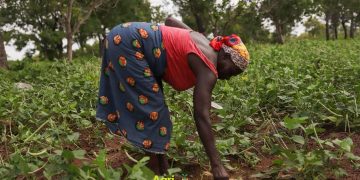






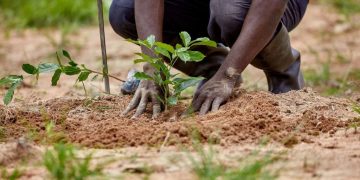






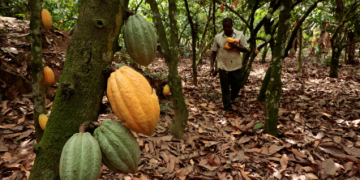





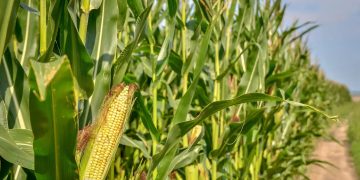


















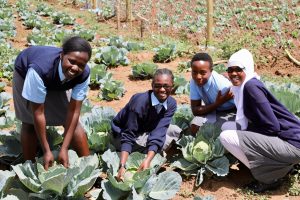
President John Dramani Mahama has announced that government will soon launch a National School Agriculture Programme, mandating all senior High Schools and tertiary institutions to operate school farms.
President Mahama revealed that a National School Agriculture Coordinator has already been appointed to oversee the roll-out.
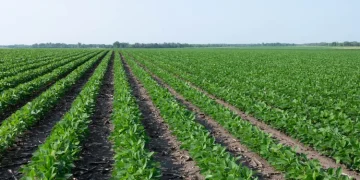
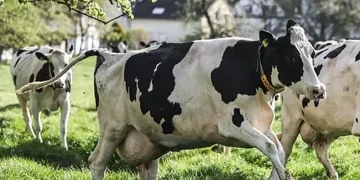
He said the initiative will enable schools to produce vegetables, livestock, and poultry while strengthening national food security.
By engaging young people directly in food production, he explained, the programme aims to build agricultural interest, reduce Ghana’s food import bill, and ensure schools rely more on locally grown produce.
Background
Food shortages in schools and the sustainability of the National School Feeding Programme have been consistent in featuring national news headlines in few months back raising a signal of food insufficiency in schools.
According to Africa Education Watch, the SHS food crisis is rooted in cash flow problems between the Ministry of Finance and the Ministry of Education. Suppliers often delay deliveries because they are owed money.
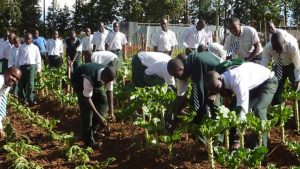
The Conference of Heads of Assisted Senior High Schools (CHASS) has raised alarms about critical shortages, urging parents to supplement meals for their children. Shortages have led to reduced meal portions and inconsistent feeding, undermining the Free SHS programme’s promise of comprehensive support.
The government’s attempt to deal with the situation aims to reintroduce the old culture of school farming which allows schools to produce their own food, reducing reliance on government’s budget and external suppliers.
School farming in Ghana has a long history dating back to the colonial era. It was introduced as part of agricultural education in schools to instill practical farming skills, promote self-sufficiency, and support food production. Over the decades, school farms and gardens have been used as living classrooms, teaching students science, math, and sustainability through hands-on agricultural work. The core aim was to teach students basic farming techniques, improve food production, and prepare them for agricultural livelihoods.

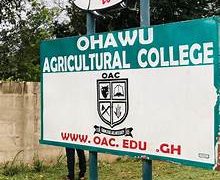
School farms became widespread in secondary schools and teacher training colleges. They were used to supplement school meals, reduce food costs, and provide students with agricultural experience. Farming was integrated into curricula, especially in rural schools, to encourage youth participation in agriculture.
However, many school farms collapsed due to poor funding, lack of supervision, and urbanization pressures. Schools in cities often lacked land, while rural schools struggled with resources and technical support. The emphasis on academic performance over vocational training also reduced attention to school farming.

