







































Agric Minister,Hon Eric Opoku used the U.S.–Ghana Investor Forum to position Ghana as West Africa’s premier destination for agribusiness investment, citing vast uncultivated land, favorable ecological conditions and a government agenda focused on modernization and value addition.
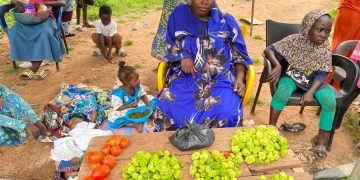
The minister told investors and diaspora professionals that agriculture remains the backbone of Ghana’s economy, contributing 21% of GDP and employing nearly 40% of the workforce. He noted that Ghana has 13.6 million hectares of arable land, of which 6.6 million remain uncultivated, and nearly two million hectares with irrigation potential. “The raw materials are available. Let’s agree on what to do, set up a business, add value, and then export to the outside world,” he said.
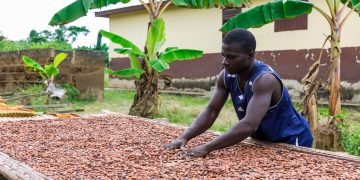
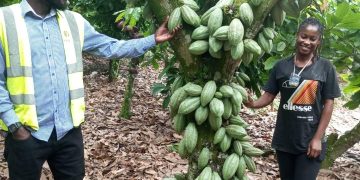
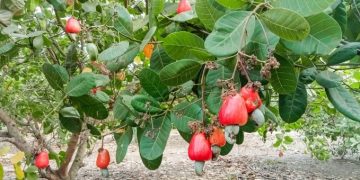
The minister highlighted opportunities across cocoa, shea, cashew, rice, poultry, cassava, wheat, coconut, rubber, mango and palm oil. He noted that while Ghana is the world’s leading producer of premium cocoa, the country captures just 1% of the $130 billion global chocolate market because most exports are raw beans. Similar gaps exist in shea, cashew and coconut, where raw exports dominate despite booming global demand for processed products.
He pointed to recent breakthroughs in wheat cultivation, with trials showing Ghana can produce 4.7 tons per hectare, meeting global standards. Commercializing wheat production, he said, could save the country $600 million annually in import costs. Poultry was also flagged as a priority, with Ghana producing just 15,000 tons against consumption of more than 300,000 tons, creating a huge supply gap.
The minister outlined government initiatives to support investors, including the Feed Ghana Program, which has reduced food inflation from 61% in January 2023 to 4.9% in January 2025. He said the program links farmers directly with industry to ensure reliable markets and value addition. To sustain gains, the government is rolling out Farmer Service Centers across 270 districts, offering mechanization, inputs and extension services, alongside an Irrigation for Wealth Creation program to enable year-round production.
Opoku also cited the government’s 24-Hour Economy Program, designed to boost industrial output and employment by running factories in three shifts, contingent on agriculture’s ability to supply raw materials. Infrastructure investment under the “Big Push” initiative, particularly in roads linking farms to markets, is intended to further reduce food inflation and improve logistics.
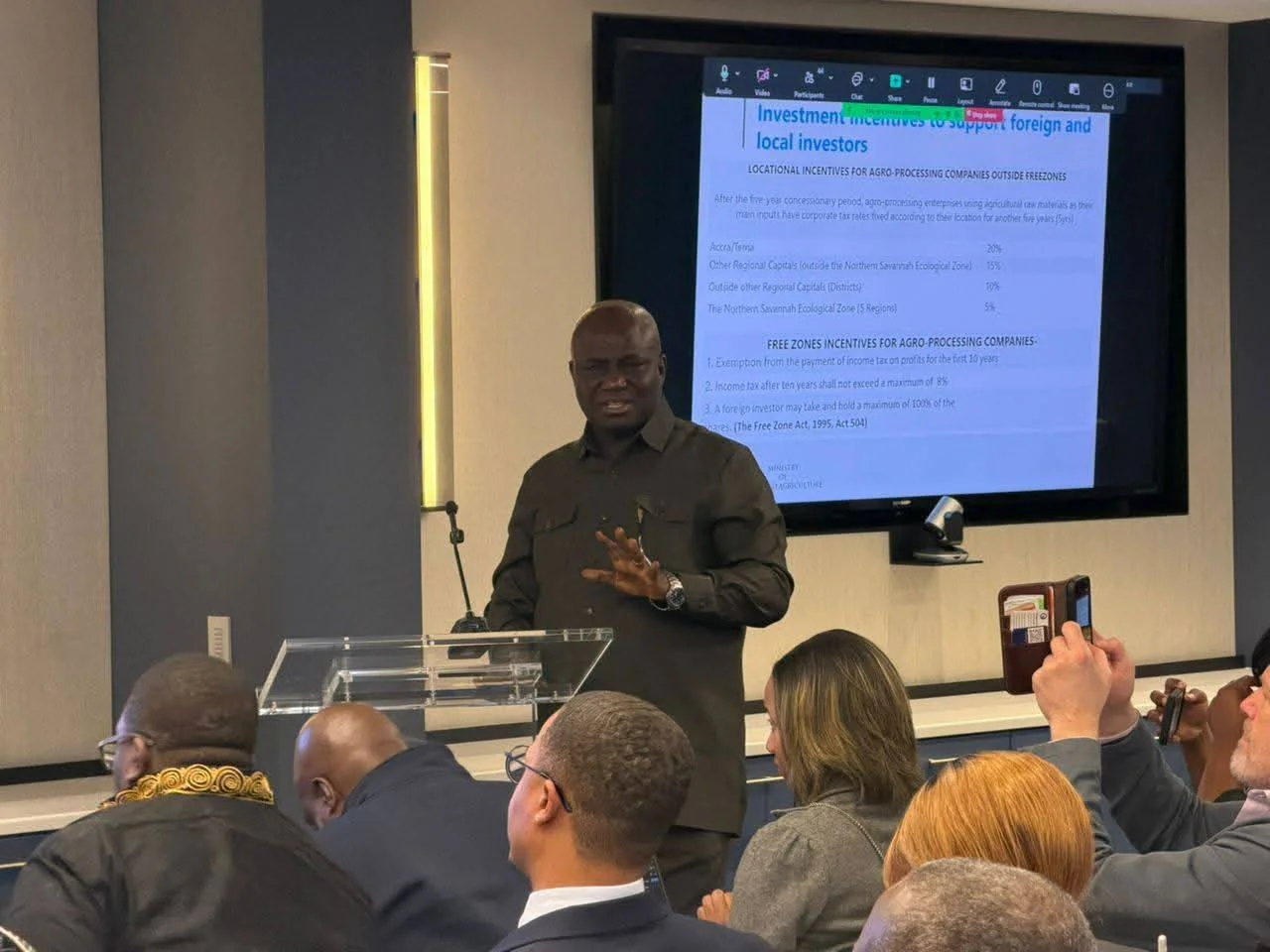
He stressed Ghana’s broader advantages for investors, including stable democracy, skilled labor, reliable electricity, and strategic access to the African Continental Free Trade Area (AfCFTA) headquartered in Accra. Incentives such as free zone exemptions from import and export duties were highlighted as part of the legal regime protecting private investment.
“Ghana is your best destination for investment,” Opoku said, pointing to the country’s track record in gold, cocoa, tuna and yam production, alongside new opportunities in agribusiness. “We are inviting you to partner with us in ethical, high-impact ventures that deliver returns while transforming communities.”
Source : thehighstreetjournal

