










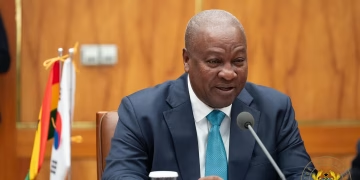

















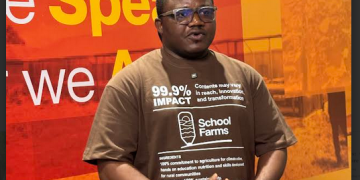












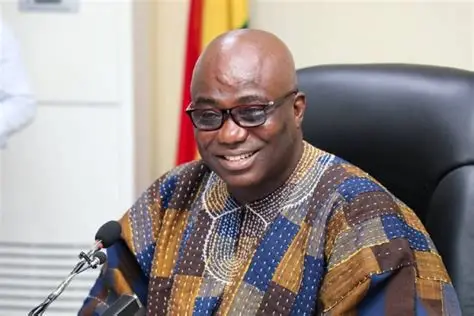
The Minister for Food and Agriculture, Eric Opoku, on Tuesday, February 10, 2026, during proceedings in Parliament, dismissed reports of food insecurity in parts of the country, stressing that there are sufficient food buffers in place to respond to emergencies.
He was responding to a question posed by the Member of Parliament for Damongo, Samuel Jinapor, who cited a Ghana Statistical Service (GSS) report indicating that about 13.4 million Ghanaians are at risk of severe hunger.
The Minister for Food and Agriculture stated, “I will write to the Ghana Statistical Service to provide us with the locations of these individuals so that we can supply them with food from our buffer stock. If we have 13 million people in Ghana who are food insecure, we must know their locations so that we can make them food secure.”
Eric Opoku further emphasised, “Once we have food buffers against emergencies, just indicate to me that close to your house there are 10 people who are food insecure. Today, today, today, I will supply them with food.”
However, concerns about food insecurity in Ghana have grown in recent years due to rising food prices, climate-related challenges, and broader macroeconomic pressures.
The Ghana Statistical Service has periodically released data highlighting vulnerabilities among households, particularly in rural and low-income urban communities.
In response, the government has maintained strategic food reserves through buffer stock mechanisms aimed at stabilizing prices and providing relief during emergencies.
The ongoing debate reflects broader discussions about food availability, affordability, and distribution across the country.

