
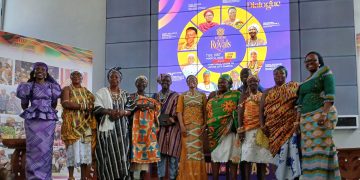









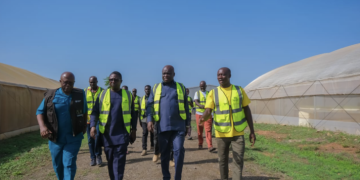


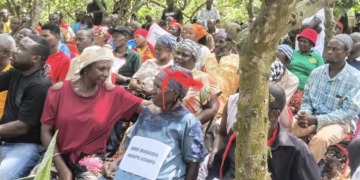




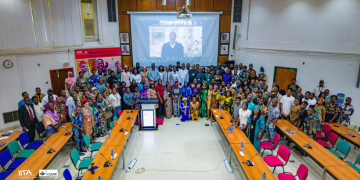


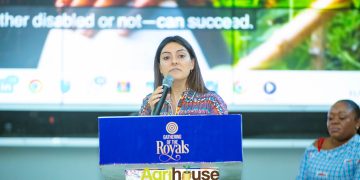

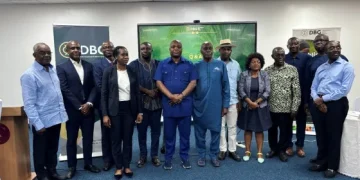
















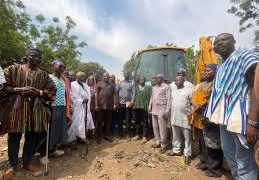


The Boost to Bloom project has officially kicked off Phase 2, reaching out to more youth, women, and persons with disabilities across the Upper East Region. The initiative seeks to empower over 20,000 young people with sustainable employment opportunities in agriculture, while promoting inclusive participation in value chains.
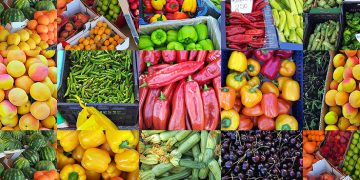
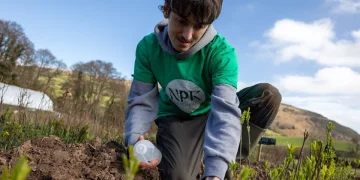
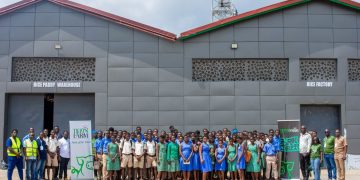
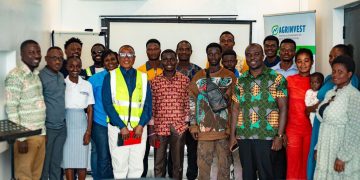
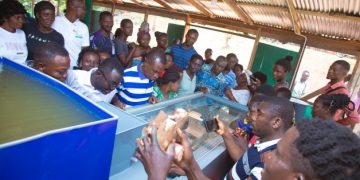
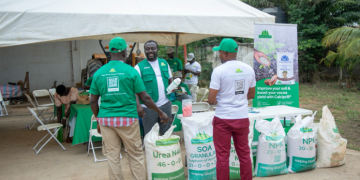
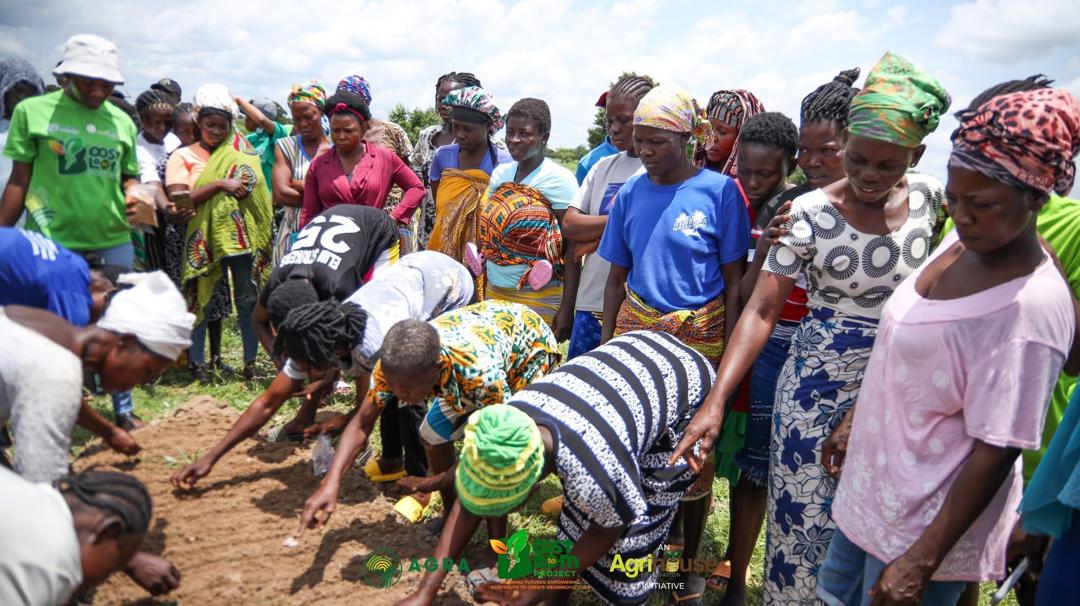
Communities including Lingbinsi, Yapei, Bongo-Soe, Dagbiriboari, Nangodi, Sakoti, Biung-Nungu have already benefited from intensive hands-on vegetable (pepper) farming training. So far, over 3,000 participants have been trained and provided with starter packs containing seeds, seed trays, watering cans, and fertilizers to help them launch their own vegetable farms. These beneficiaries have been organized into Bloomers Cooperatives, designed to facilitate collective growth, market access, and income diversification.
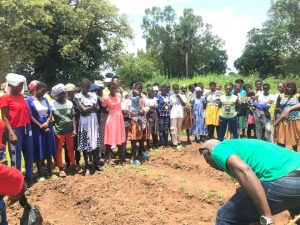
“We believe opportunities should not be limited by geographic, gender, or physical ability,” said Alberta Nana Akyaa Akosa, Executive Director of Agrihouse Foundation. “Our work with communities like Lingbinsi shows that when farmers are connected to structured markets, creating alternative sources of income, confidence grows, and communities begin to see agriculture differently.”
Agriculture remains the backbone of livelihoods in Northern Ghana, yet limited market access, low-income diversification, and exclusion from structured value chains have historically restricted opportunities for women, youth, and persons with disabilities. Boost to Bloom project addresses these barriers by providing sustainable jobs, practical skills, and intentional inclusion across the value chain.
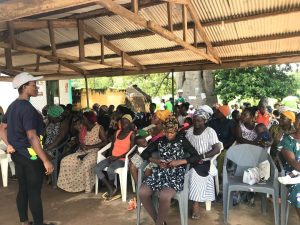
“As we begin Phase 2 engagement across Northern Ghana, we are laying the foundation for stronger, more resilient rural economies,” she added. “Our goal is to ensure that growth is created locally and shared collectively, so that agriculture becomes a tool for prosperity for everyone.”
About Boost to Bloom
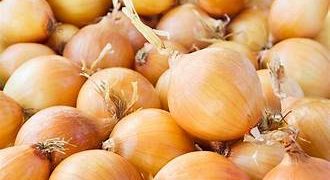
This Boost to Bloom project focuses on creating jobs through horticultural practices for tomato, onion and chilli pepper cultivation for young women in agribusiness while ensuring sustainability, and inclusivity, particularly for PWDs. It adopts a human-centered design approach to make agricultural activities more accessible and inclusive for marginalized populations. Training and capacity-building initiatives are central to this strategy, equipping targeted populations with the essential skills and knowledge needed to succeed in the vegetable value chain. The project areas include the Northern regions in to create approximately 20,000 jobs within the vegetable value chain to improve market stability, enhance value addition, and reduce post-harvest losses at the end of the project implementation period.

