

















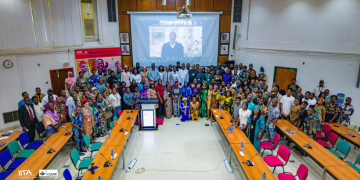






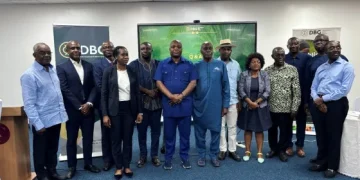
























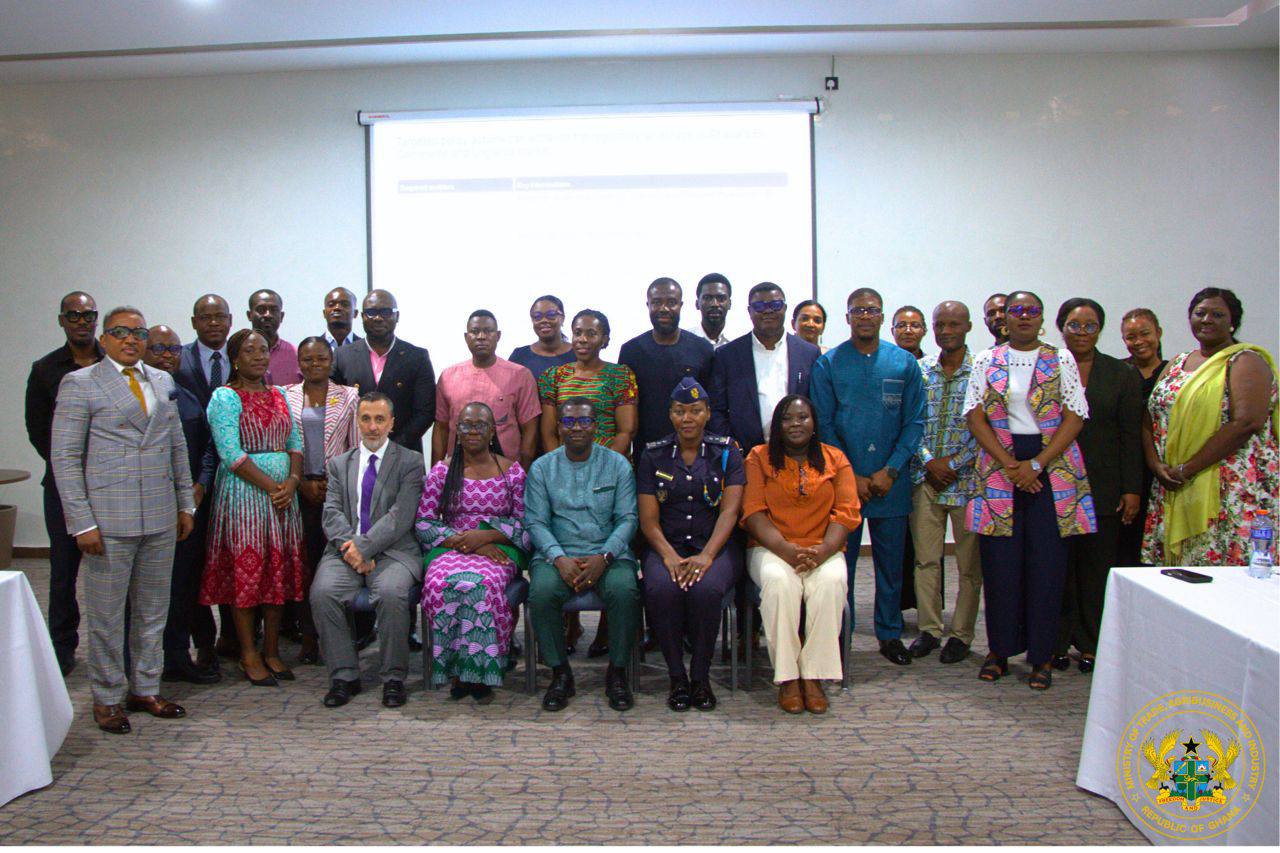
Stakeholders in Ghana’s digital trade ecosystem have convened for the third National Steering Committee (NESC) Meeting on E-Commerce and Digital Trade, marking a critical step toward operationalising the country’s 2026 National E-Commerce and Digital Trade Work Plan.
The two-day meeting, taking place in Accra from Tuesday 17th, March -Wednesday 18th March, 2026, brings together key representatives from government institutions, regulators, private sector players, and development partners to translate Ghana’s e-commerce strategy into actionable implementation measures.
Delivering the welcome address on behalf of the Chief Director of the Ministry of Trade, Agribusiness and Industry (MoTAI), Madam Stella A. Ansah, Director of the Foreign Trade and Negotiations Directorate, emphasised the need for the Committee to move beyond dialogue to tangible action.

She noted that while the Committee has made significant progress, including the approval of its Terms of Reference and the development of a comprehensive work plan, the focus must now shift to implementation and measurable impact.
“We have started well… but after this meeting, we must go beyond talking and start real implementation. When we meet, we should be discussing the impact we have made,” she stressed.
She further underscored that the Committee aims to adopt a results-oriented approach, avoiding the tendency of prolonged discussions without concrete outcomes.
The meeting also featured a series of technical and industry-focused presentations aimed at grounding Ghana’s implementation efforts in global best practices and local realities.
A representative from Boston Consulting Group (BCG) delivered a presentation on operationalising national e-commerce strategies, drawing lessons from global and African contexts. The session highlighted the importance of aligning policy frameworks with practical implementation mechanisms and private sector dynamics.
This was followed by a presentation from ODI Global, which examined Ghana’s digital identity system and its readiness for continental integration within the framework of the African Continental Free Trade Area (AfCFTA) Digital Trade Protocol.
Providing private sector insights, Jumia Ghana delivered an industry presentation on e-commerce platforms and implementation realities in Ghana, focusing on business models, digital marketplace structures, and invoicing flows. The presentation highlighted operational challenges and opportunities within Ghana’s evolving digital marketplace.
The final session of the day featured an overview of the 2026 National E-Commerce and Digital Trade Work Plan, presented by Eric K. Asamoah, a Senior Trade Officer at from the Ministry, outlined the strategic direction for the year, emphasising the transition from policy development to practical execution.
According to him, the work plan is designed to strengthen Ghana’s digital trade ecosystem by addressing key gaps in regulatory frameworks, infrastructure, digital payments, logistics, and cybersecurity.
He noted that the plan is anchored on six strategic outcomes, including strengthening the policy and regulatory environment, enhancing digital infrastructure, improving MSME participation in e-commerce, facilitating trade logistics, reinforcing data governance and consumer trust, and ensuring effective coordination and monitoring mechanisms.
Mr. Asamoah further highlighted targeted interventions such as onboarding 2,000 MSMEs onto e-commerce platforms, establishing regional e-commerce resource centres, expanding broadband access, improving cross-border payment systems, and enhancing last-mile delivery networks.
He emphasised that the successful implementation of the work plan would significantly boost MSME competitiveness, create jobs, and deepen Ghana’s participation in regional and global digital trade.
The Day One proceedings concluded with remarks from Mr. Emmanuel Ofori, the Co-Chair of the meeting, who expressed appreciation to participants and urged continued commitment to the process. He encouraged stakeholders to actively engage in subsequent sessions to develop realistic and sustainable financing models to support implementation.
The meeting continues on Wednesday, March 18, with breakout sessions and implementation planning expected to further define institutional roles, timelines, and coordination mechanisms for executing the 2026 work plan.

