










Ghana has taken up a major leadership role in Africa’s climate diplomacy, assuming responsibility for coordinating the continent’s positions in international climate negotiations under the United Nations Framework Convention on Climate Change (UNFCCC).
The role, which is to chair the African Group of Negotiators (AGN), requires Ghana to work closely with all 54 African countries, representing Africa’s collective interests and priorities in global climate decision-making processes from January 2026 to December 2027.
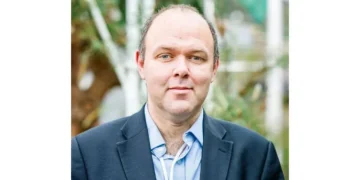
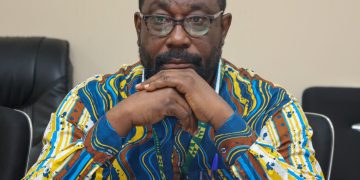
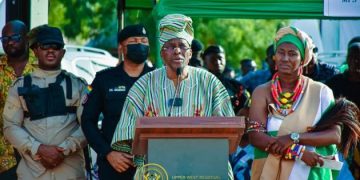
Nana Dr Antwi-Boasiako Amoah, Chair of AGN, described the task as demanding but essential, noting that the leadership role would be driven by collaboration rather than individual effort.
He explained that the coordination would rely heavily on national focal points in each African country, who serve as the interface between their governments and the United Nations.
“These focal points will be key instruments in shaping and communicating national and regional positions,” he told the Ghana News Agency.
In addition, lead coordinators specialising in various thematic areas of climate negotiations will support the process.
Those negotiators, he said, would play a critical role in providing technical depth and ensuring coherence across Africa’s negotiating agenda.
Dr Amoah highlighted the growing influence of young people in climate action across the continent, describing youth-led movements in Ghana, Kenya, South Africa and other countries as vibrant and impactful.
He said the chairmanship intended to harness the momentum by actively engaging young people in Africa’s climate processes, stressing that they represented the future of the continent’s climate response.
Another key priority identified was the issue of critical or transition minerals, which are essential for the global energy transition.
Africa, he noted, was estimated to hold about 30 per cent of the world’s critical minerals, making the continent central to the shift towards clean energy technologies.
He cautioned that without appropriate systems, policies and safeguards, Africa risked losing out if its minerals were extracted without delivering lasting benefits to its people.
While Africa may not be directly responsible for setting global policies, Dr Amoah said Ghana would work to place the issue of fair access, value retention and labour protection firmly on the UNFCCC agenda to promote a just and equitable energy transition.
The chairmanship, which will run for two years, is expected to strengthen Africa’s coordination in climate negotiations, amplify the continent’s voice globally and deliver positive impacts for African countries and communities.
Source: Access Agric

