

















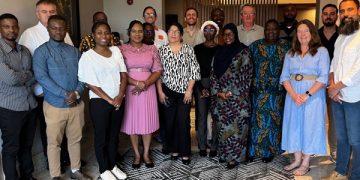













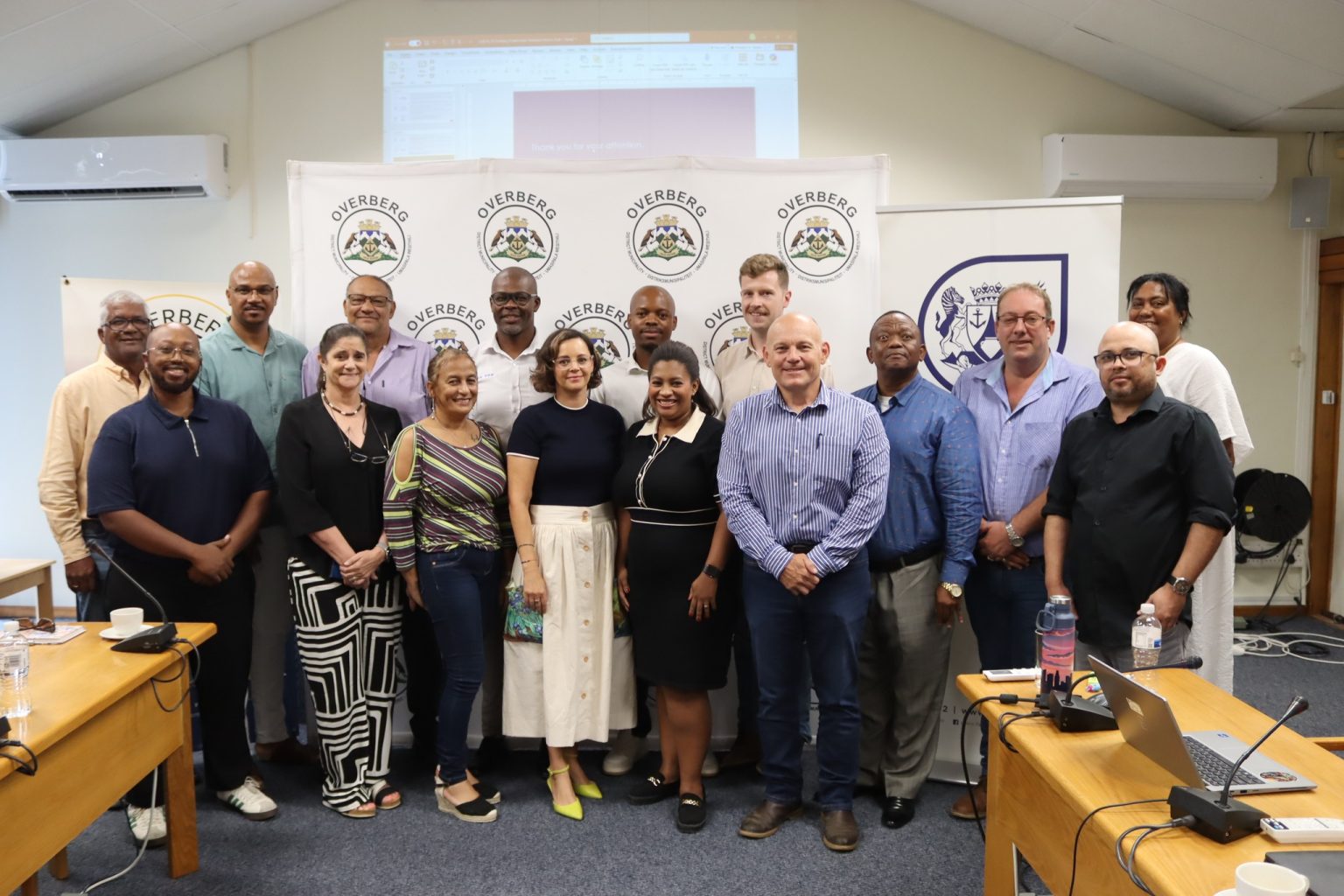
The Western Cape Government has unveiled the initial findings of the Overberg Rail Business Case, marking a decisive step toward revitalizing the region’s dormant rail infrastructure. Following a high-level stakeholder session held in Bredasdorp on Friday, 20 February 2026, the report outlines a strategic roadmap to transform the Overberg’s transport network into a modern, integrated freight system. For the agricultural sector, this represents a structural shift in how commodities reach both domestic and international markets.
Restoring the Backbone of Agricultural Logistics
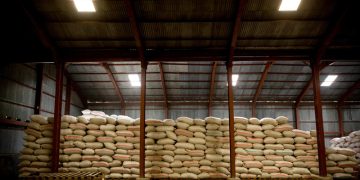
Central to the business case is the development of a seamless intermodal corridor linking Transnet-operated rail, the Belcon Inland Terminal, and the Port of Cape Town. This system is specifically engineered to handle the high-volume transport of bulk agricultural commodities. The report explicitly identifies barley, wheat, canola, animal feed, and fertilizer as the primary drivers of this rail demand.
By utilizing rail as the backbone of the freight system, the Western Cape Government aims to enhance supply chain reliability and lower logistics costs—two factors critical to maintaining the thin margins of grain and oilseed production in the Overberg “breadbasket.”
Significant Volume Projections: Road to Rail
The findings present compelling figures for the scale of this revitalized corridor. The business case highlights the potential to transport approximately 105,000 tons of freight annually between the Western Cape and Gauteng. Furthermore, the plan accounts for an estimated 2,000 refrigerated containers (reefers) moving through the corridor each year.
This shift from road to rail is not merely about infrastructure; it is about efficiency. Moving these volumes by train reduces the heavy-vehicle pressure on provincial roads and minimizes the congestion that often bottlenecks agricultural exports during peak harvest seasons.
Unlocking Export Growth and “Backloading”
Western Cape Mobility Minister Isaac Sileku noted that this project is a key enabler in the province’s goal to triple exports by 2035. By strengthening intermodal links and attracting private investment, the government intends to restore the competitiveness of Overberg producers.
A vital economic component of the plan is “backloading.” While the rail will carry crops to the ports and inland markets, it creates an efficient channel for essential inputs—such as fertilizer—to be transported back into the Overberg. This “two-way” efficiency is expected to significantly reduce the total cost of production for local farmers.
A Policy Environment Ripe for Investment
The timing of the Overberg Rail Business Case aligns with national freight rail reforms recently announced by the National Minister of Transport to open underutilized branch lines to third-party participation. Minister Sileku described this as a “historic opportunity” to attract private sector investment into regional corridors.
The Overberg District Municipality, led by Executive Mayor Ald Sakkie Franken, has signaled its full support, emphasizing that the project will improve the standing of Overberg producers in both domestic and global arenas.
The Path Ahead
The next phase will focus on finalizing the implementation plan and addressing specific infrastructure needs. As a pilot project, the Overberg Rail Business Case will offer valuable insights to guide future freight rail revitalization efforts across South Africa. For the agricultural community, the message is clear: the transition toward a more resilient, rail-centric logistics system is officially underway.

