




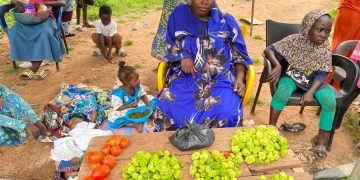





























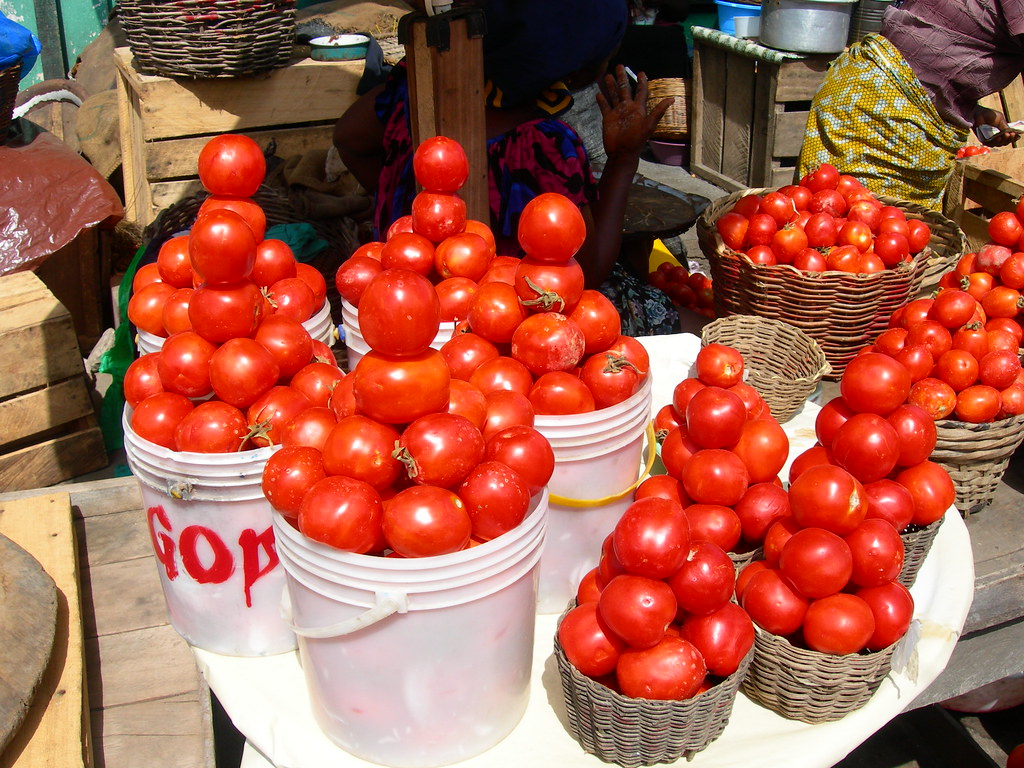
The Peasant Farmers Association of Ghana (PFAG) has described the recent killing of Ghanaian tomato traders in Burkina Faso as both a heartbreaking human tragedy and a stark warning about vulnerabilities within Ghana’s food supply system.
In a statement signed by its National President, Mr. Wepia Addo Awal Adugwala, the Association stressed that the incident goes beyond criminal violence and exposes Ghana’s heavy dependence on imported tomatoes—particularly from Burkina Faso.
Heavy Reliance on Imports
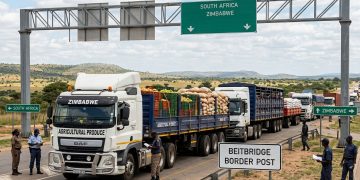
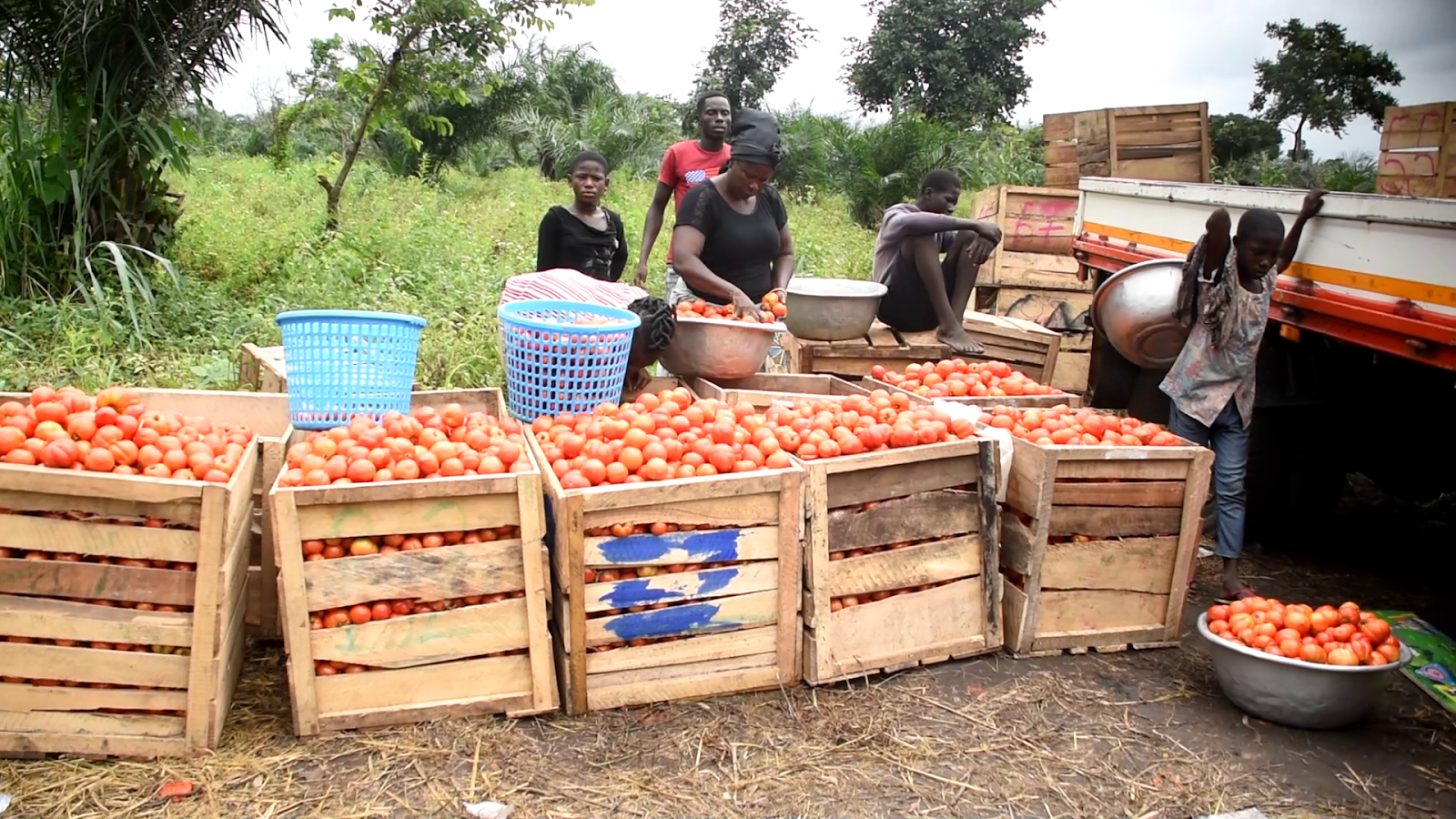
PFAG revealed that more than 90 per cent of Ghana’s tomato imports originate from Burkina Faso, making the country highly exposed to cross-border disruptions. In 2024 alone, Ghana reportedly spent over 22.3 million dollars on tomato imports, placing it among the top 50 tomato-importing countries globally.
According to the Association, Ghana’s annual tomato requirement stands at approximately 800,000 metric tonnes. However, domestic production fluctuates between 370,000 and 420,000 metric tonnes, leaving a substantial supply deficit that must be bridged through imports.
PFAG warned that any interruption in trade flows from Burkina Faso—such as the recent tragic killings—could quickly destabilize local markets, drive up prices, and make tomatoes unaffordable for many households.
Food Security and National Sovereignty at Risk
The Association emphasized that the situation should not be viewed merely as a temporary supply disruption. Instead, it reflects deeper structural weaknesses that threaten national food security and economic sovereignty.
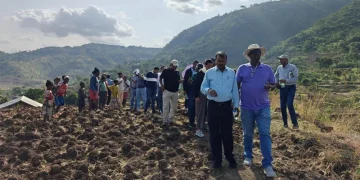
PFAG attributed Ghana’s persistent production gap to several longstanding challenges. Chief among them is the country’s continued reliance on rain-fed agriculture due to limited irrigation infrastructure. As a result, average tomato yields remain at about 7.5 metric tonnes per hectare—far below the achievable potential of 20 metric tonnes per hectare under improved conditions.
High input costs, including seeds, fertilizers, and agrochemicals, further constrain farmers’ productivity and profitability.
Post-Harvest Losses Deepen the Crisis
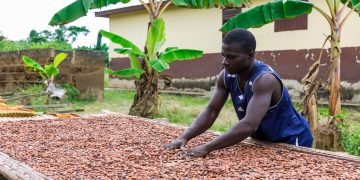
Beyond low yields, the Association pointed to post-harvest losses ranging between 30 and 50 per cent. These losses are largely caused by inadequate storage facilities, poor feeder roads, insufficient cold chain systems, and limited processing capacity.
PFAG argued that unless these systemic bottlenecks are addressed, farmers will remain trapped in a cycle of low productivity and financial vulnerability, while consumers continue to face volatile food prices and the country’s import bill rises.
Call for Urgent Government Action
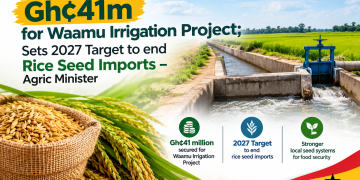
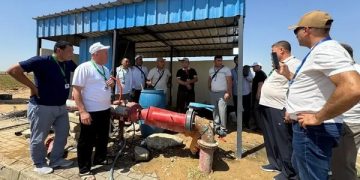
Describing the matter as a national emergency, PFAG called on the government to fast-track irrigation development projects, including the completion of the Irrigation for Wealth Programme and the construction of the Pwalugu Multi-Purpose Dam.
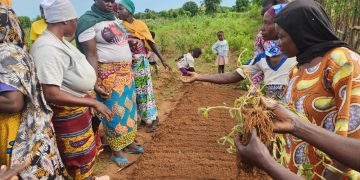
The Association also advocated the creation of dedicated agricultural enclaves for large-scale commercial vegetable production, reduction in input costs, and increased investment in research to develop high-yielding and climate-resilient seed varieties.
To curb post-harvest losses, PFAG urged authorities to recruit and deploy more extension officers, rehabilitate feeder roads, establish modern storage and cold chain facilities, and revitalize tomato processing factories across the country.
Broader Farmer Distress
PFAG further highlighted the struggles of grain and tuber farmers who are currently grappling with heavy losses due to market gluts and weak purchasing power. The Association noted that farmer morale is low and called for immediate government intervention through direct purchases and strategic buffer stock storage to stabilize markets.
Path to Self-Sufficiency
Despite the challenges, PFAG expressed optimism that with coordinated, adequately funded, and sustained interventions, Ghana can significantly reduce vegetable imports by 2030 and achieve full tomato self-sufficiency.
The Association concluded that the tragic loss of Ghanaian traders should serve as a wake-up call—prompting decisive national action to build a resilient, self-reliant, and secure food production system.

