


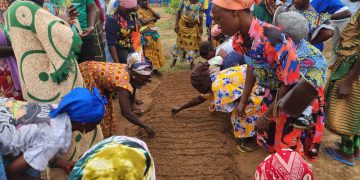
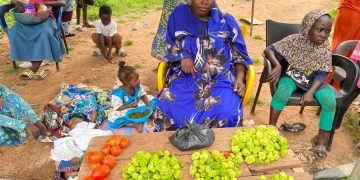
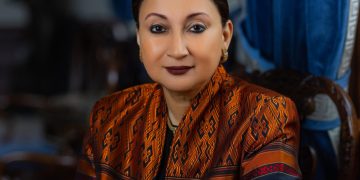








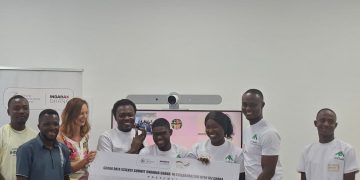












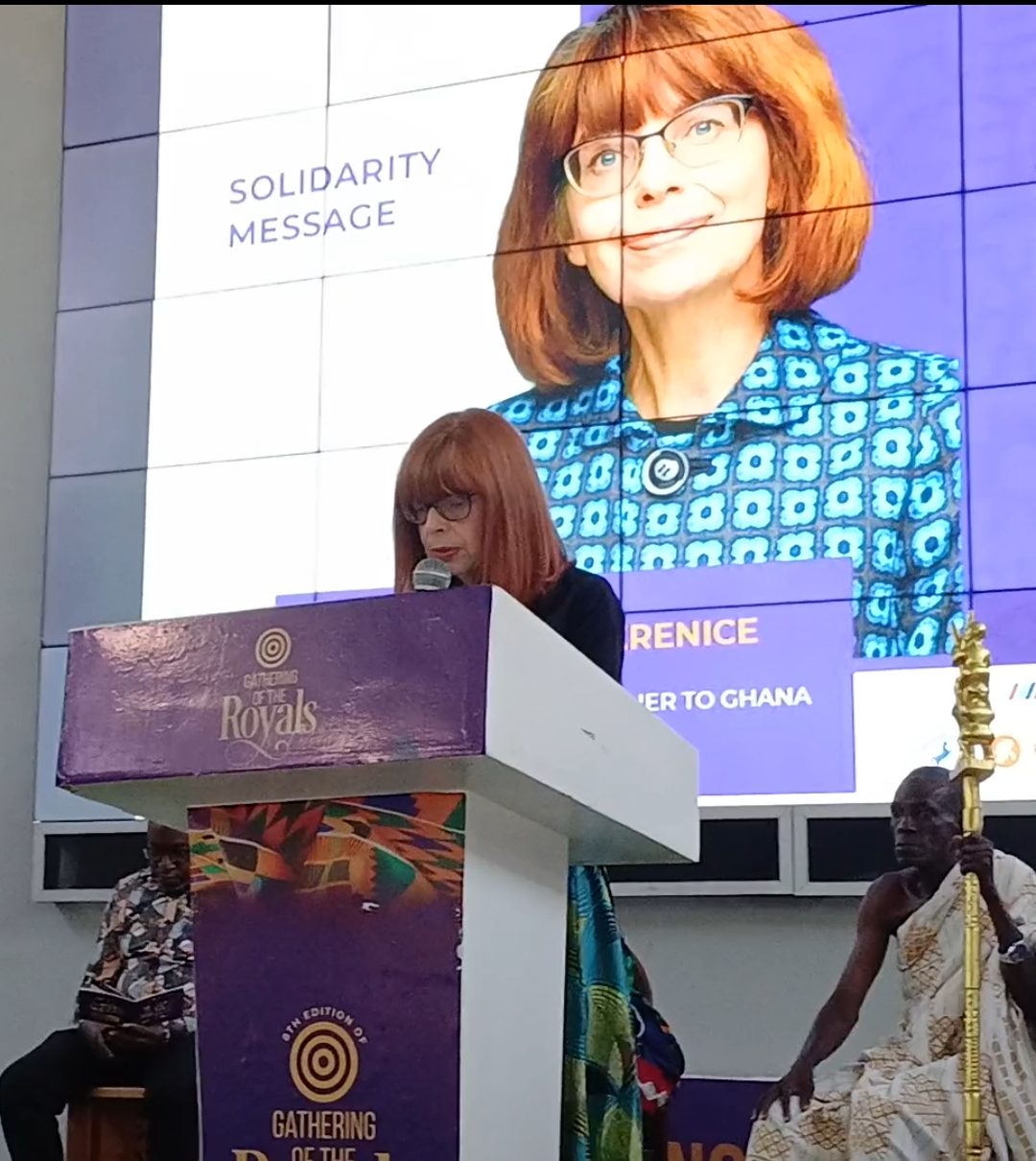
The Australian High Commissioner to Ghana, Berenice Owen-Jones, as part of supporting Ghana’s broad agricultural development has committed to Agrihouse Foundation’s elevated and improved tomato production project with research, training, and investment.
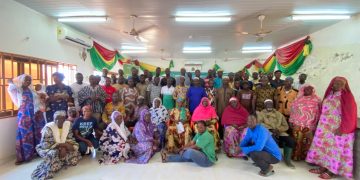
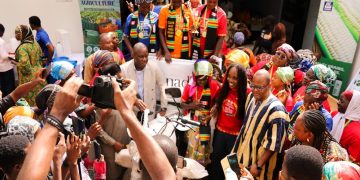
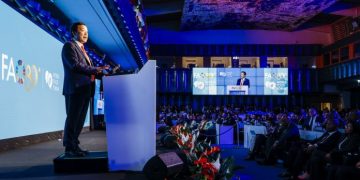
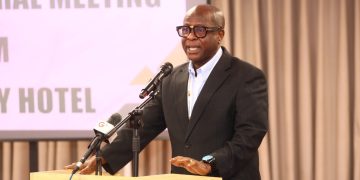
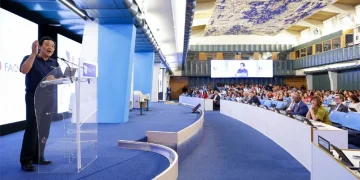
Speaking at the 2026 edition of the Gathering of the Royals at the GNAT Hall in Accra on March 31, 2026, she highlighted the strong and long-standing relationship between Ghana and Australia built on shared values, trade partnerships, and a deep respect for agriculture and rural communities.
According to her, this collaboration is not just diplomatic but practical, especially in sectors like mining and agriculture, where both countries continue to exchange knowledge and expertise.
A key milestone in this partnership, she noted, is the recent opening of the Australian Centre for International Agricultural Research (ACIAR) office at the Australian High Commission in Accra. The centre is expected to play a major role in advancing agricultural research and delivering practical solutions to local farming challenges.
Through ACIAR, Australia is investing in research partnerships, knowledge sharing, and innovation tailored to the needs of Ghanaian farmers, particularly smallholder farmers. The High Commissioner explained that ongoing projects include support for cattle farmers, with initiatives such as the development of cattle corridors to address challenges in pastoral farming.
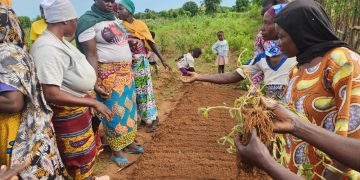
Addressing Queen Mothers, Market Queens, Farmers, and Policymakers during the event, she emphasized ACIAR’s strong focus on empowering women in agriculture. The centre runs leadership and training programs for women farmers and scientists, recognizing their critical role in sustaining households, markets, and food systems.
“When you invest in a woman farmer, you invest in her household, her community, and the next generation,” she said.
The High Commissioner noted that women make up a significant portion of Ghana’s agricultural workforce, yet they often lack access to adequate resources, training, and financial support. To address this gap, Australia’s direct aid programs are supporting initiatives that improve access to inputs, markets, and financial tools for women.
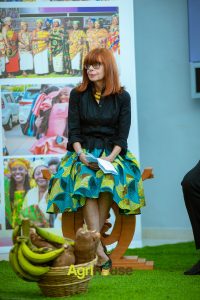
She cited projects in the shea butter sector and beekeeping as examples of alternative livelihood programs that are helping women increase their incomes and build resilience.
Beyond projects and funding, she praised the influential role of Queen Mothers in driving change at the community level. She described them as custodians of tradition and powerful advocates whose voices can shape attitudes and policies.
“When Queen Mothers speak on issues like access to land, fair markets, and investment in rural women, people listen,” she said.
She concluded by assuring participants that Australia remains committed to supporting Ghana’s broader agricultural sector and the call to action from the Gathering of the Royals through continued research, training, and collaboration.

