

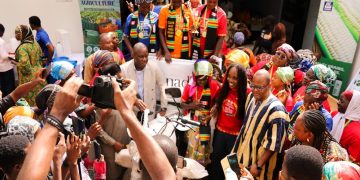



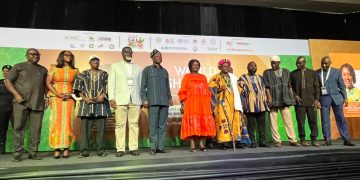
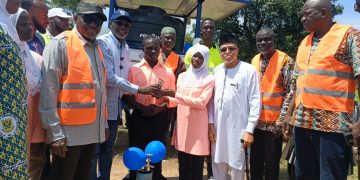
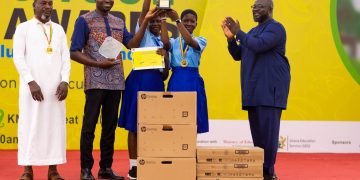


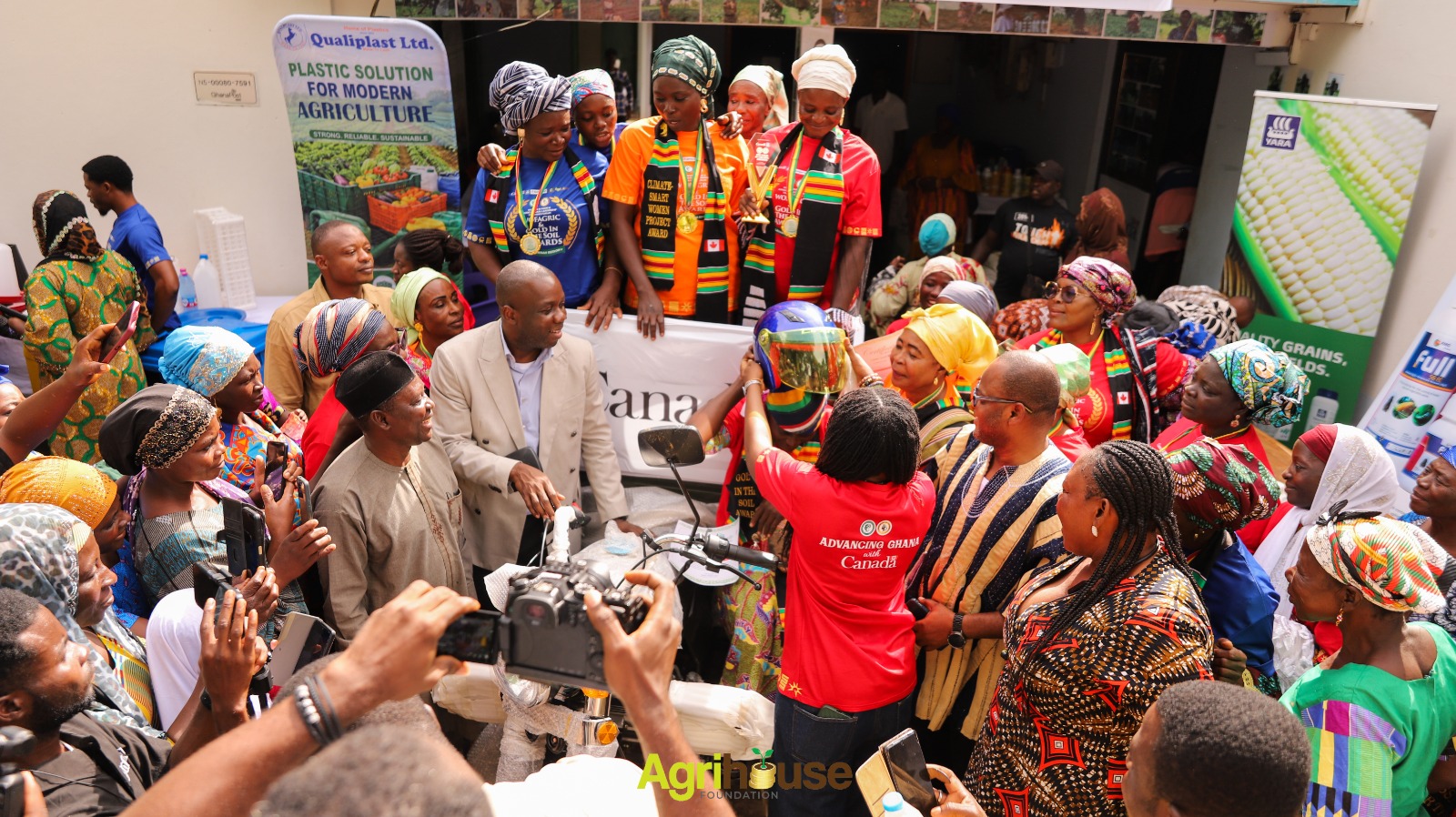
Shining among the 50 nominees was a 45-year-old physically challenged woman poultry farmer, Bawa Damata, who emerged as the Ultimate Gold in the Soil Award winner for 2026.
From Nominayili in the North East Gonja District, Damata’s resilience, commitment and outstanding contribution to Poultry production, earned her the competition’s highest honour.
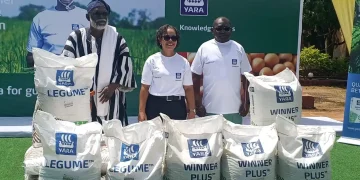
As part of her prize package, she received a brand-new tricycle, fertilizers and several agricultural input products aimed at expanding her farming enterprise, improving productivity, and impact her community.
The awards recognize and celebrate 18 exceptional and hardworking women farmers whose contributions to agriculture often go unnoticed despite their enormous role in strengthening food production, creating jobs and supporting rural economies.
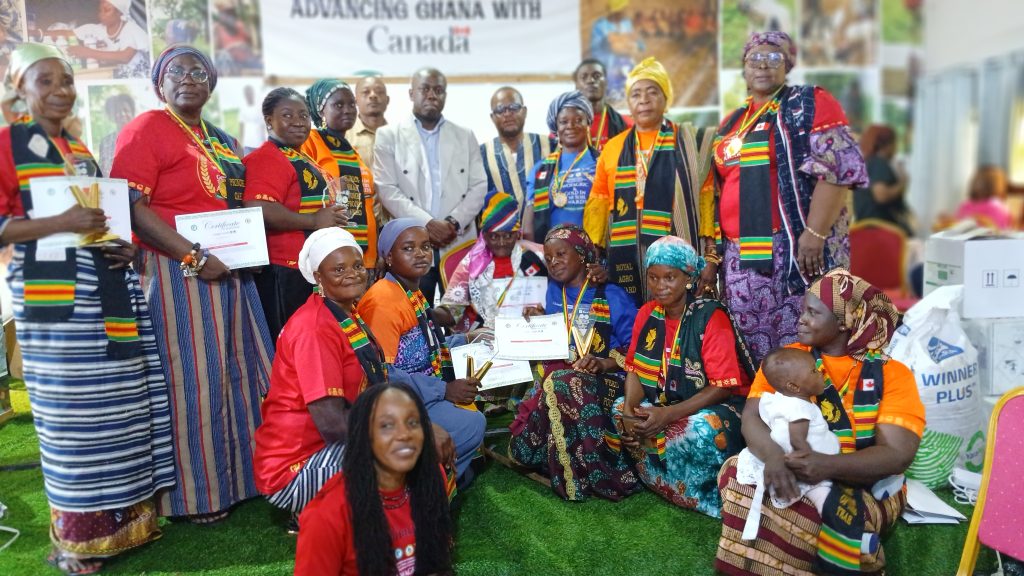
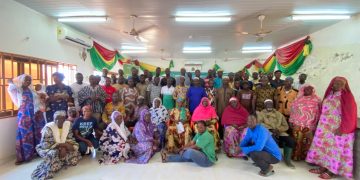
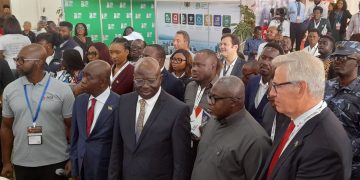
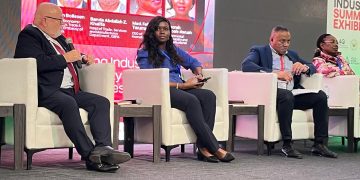
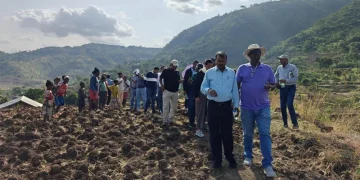
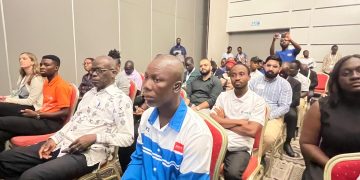
Agrihouse Foundation’s Women in Food and Agricultural Leadership Training Forum (WOFAGRIC) and the Gold in the Soil Awards with support from Global Affairs Canada, empowered over 500 women farmers, women farmers with disabilities, and young agripreneurs, as policymakers, development partners, financial institutions and agricultural value chain actors converged at this year’s 8th edition of the annual event in Damongo in the Savannah Region of Ghana, reaffirming the growing importance of investing in women as drivers of Ghana’s agricultural transformation.
The two-day event, held from July 22 to 23, combined practical skills training, policy engagement, business networking and national recognition for outstanding women farmers whose contributions continue to strengthen Ghana’s agrifood systems, as the annual intervention continually evolves into one of Ghana’s most influential platforms for empowering rural women, women farmers with disabilities and young people in agriculture. Over the past eight years, the initiative has directly supported more than 12,000 women farmers, agribusiness entrepreneurs, processors, marketers and farmers with disabilities, providing them with training, mentorship, leadership development, networking opportunities and market access that have strengthened livelihoods and expanded economic opportunities.
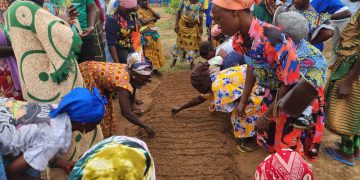
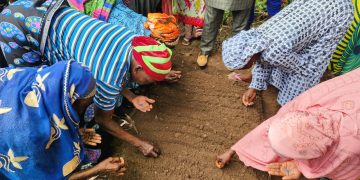
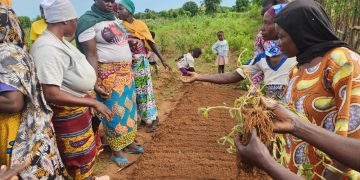
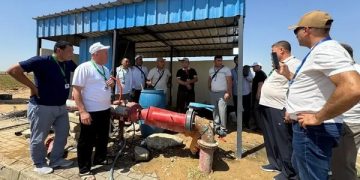
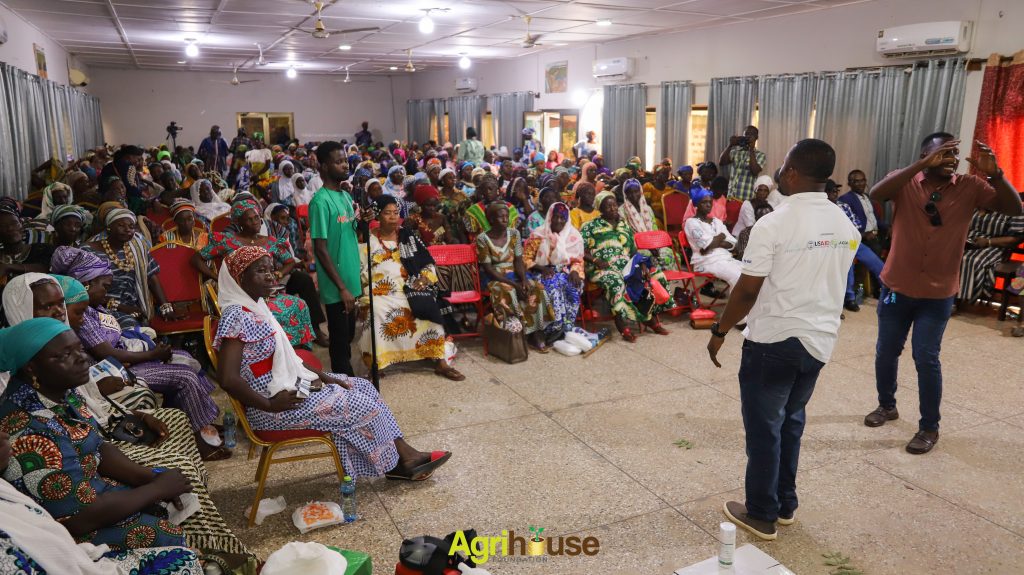
Day One of the forum focused on intensive capacity-building sessions designed to equip participants with practical knowledge across the agricultural value chain.
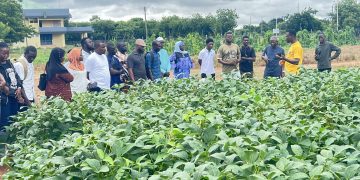
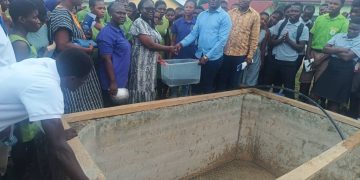
Women farmers received hands-on training in agronomy, climate-smart agriculture, access to finance, mechanization, extension services, input management and agribusiness development from industry experts representing Yara Ghana, Qualiplast Limited, Ghana EXIM Bank, Ecobank, Chemico Limited, Sino Machinery Ghana, agricultural extension officers and other technical partners.
The forum also created opportunities for participants to interact directly with financial institutions, machinery suppliers, input dealers and agribusiness experts, enabling many to establish new business relationships and explore innovative technologies capable of improving productivity and profitability.
Beyond technical knowledge, the event encouraged women farmers to embrace leadership roles, strengthen their enterprises and position themselves as active contributors to Ghana’s agricultural growth.
Reinforcing Canada’s longstanding commitment to agricultural development and gender equality, Majeed Mohammed, Senior Development Officer at Global Affairs Canada, said Canada’s foreign policy remains committed to supporting initiatives that deliver lasting social and economic impact, precisely initiatives that are helping women farmers to utilize their full potential.
He noted that women farmers continue to face barriers in land, finance, technology, mechanization, and market access opportunities despite remaining at the heart of agricultural transformation for many economies. As such, Global Affairs Canada has invested over $67 million towards empowering smallholder women farmers and entrepreneurs through many programmes such as the WOFAGRIC, the Grow two programme, MERDA, and others, which are yielding encouraging results across the country. These programmes have helped in job creation, transforming lives, strengthened rural communities and created opportunities for women to become economically empowered through agriculture, created sustainable agricultural growth and food security.
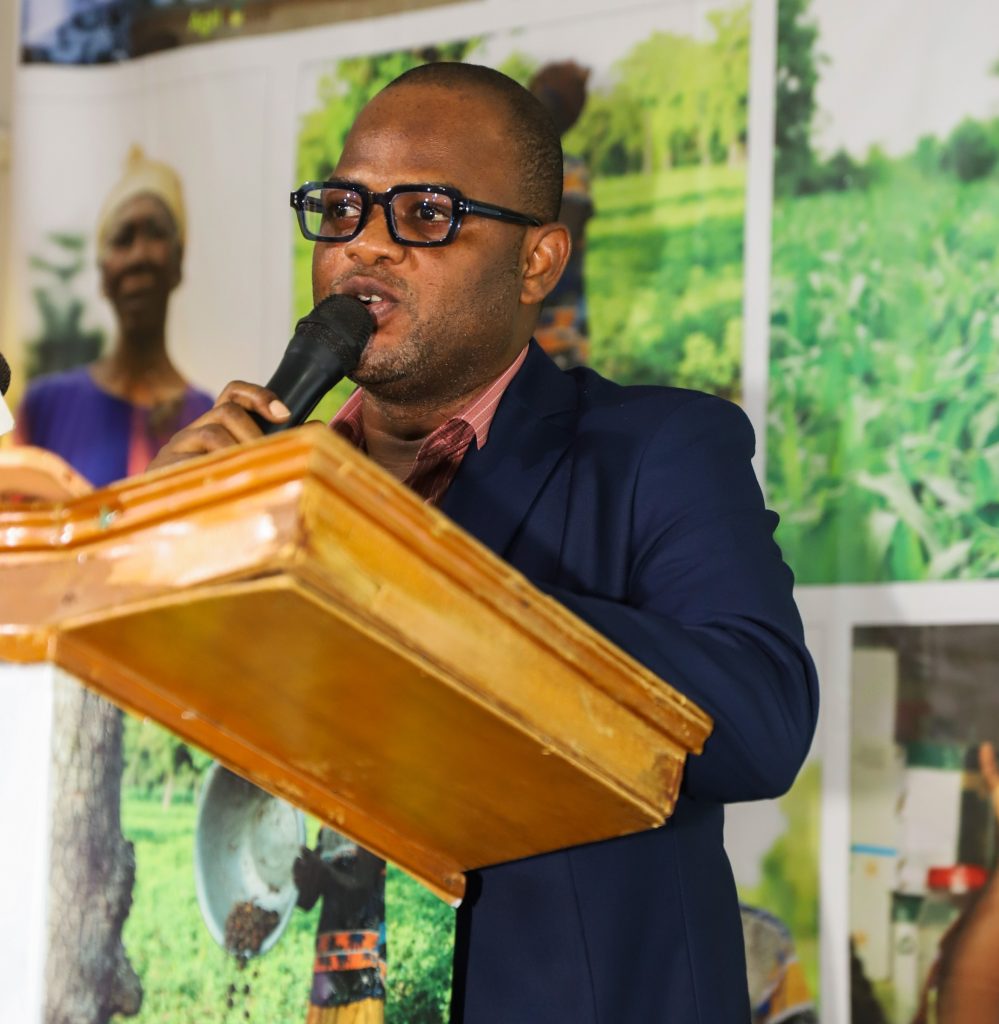
He outlined that, Global Affairs Canada through these programmes has impacted over 52000 smallholder women farmers, 5800 women entrepreneurs, and 59 agribusinesses by improving women’s access to finance, inputs, capacity building, financial literacy, trainings, and other resources for production, with strengthened market access.
These programmes has helped improved gender equality in the agricultural sector as the development partner hopes to see more women elvove in the entire agricultural value chain with successful enterprises, creating jobs and contributing meaningfully and sustainably to national economic development.
“we want to see more Ghanaian women in agribusiness scaling beyond local market and importing value added products across borders. we want to see women enterpreneurs thriving in their endeavors not only as producers but innovators, investors and business leaders in agriculture in creating sustainable livelihoods.
Global Affairs Canada has remained the programme’s principal development partner for eight consecutive years, supporting an initiative that has become a national movement promoting inclusive agricultural growth, leadership and entrepreneurship among women.
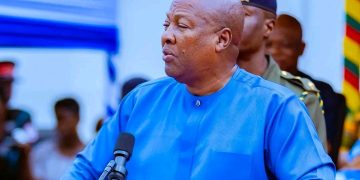
Delivering his keynote address, Savannah Regional Minister, Salisu Be-Awuribe Issifu, underscored the indispensable role women play in ensuring food security and sustaining agricultural production.
He emphasized that increasing investments in women farmers through access to finance, improved technologies, quality inputs, training and modern farming equipment would significantly enhance productivity while improving household incomes.
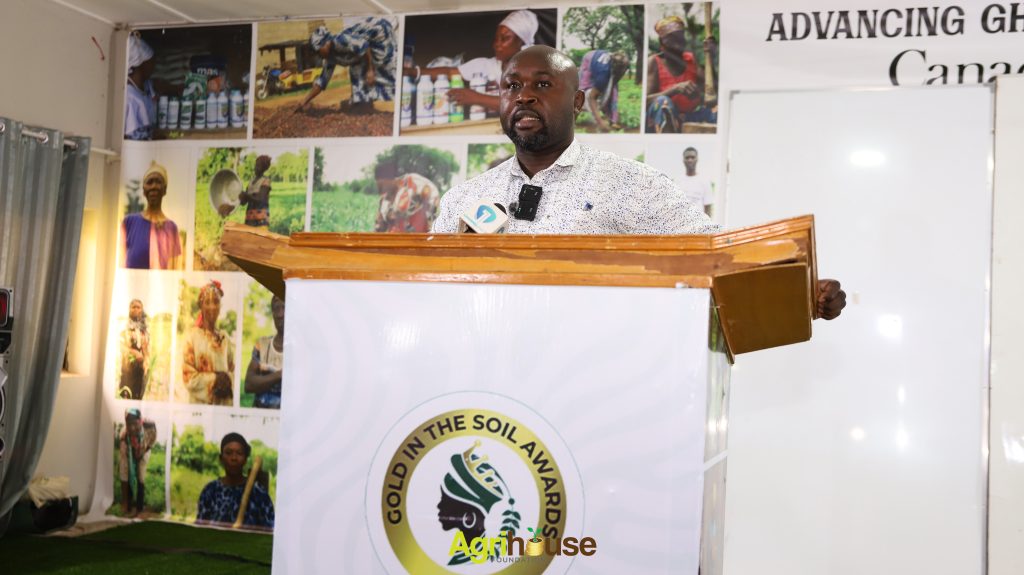
Hon. Issifu expressed his gratitude to Agrihouse Foundation and Global Affairs Canada for such initiative and also choosing the Savannah Region as the 8th edition’s hosting destination.
The Regional Minister reaffirmed government’s commitment to implementing initiatives that expand opportunities for farmers, strengthen agricultural value chains and accelerate the transformation of Ghana’s agriculture sector.
Executive Chair of Agrihouse Foundation, Alberta Nana Akyaa Akosa, reiterated the Foundation’s unwavering commitment to empowering rural women farmers, women farmers with disabilities and young agripreneurs through its initiatiatives to close up gabs within the agricultural value chain.
She stressed that WOFAGRIC remains more than an annual event, describing it as a platform intentionally designed to build confidence, provide practical skills, create visibility and connect women farmers to opportunities capable of transforming their agribusinesses.
According to her, recognizing women who often work quietly behind the scenes is essential to building resilient and inclusive agrifood systems.
She noted that women remain at the heart of Ghana’s agricultural economy and deserve sustained investment, recognition and support to maximize their contributions to national development.
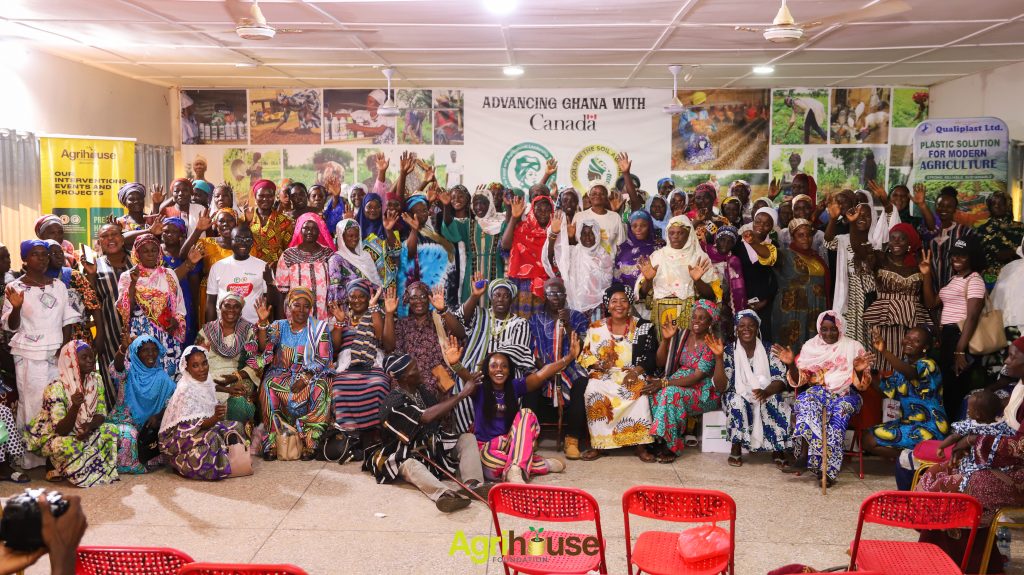
A platform creating lasting impact
Since its inception, WOFAGRIC and the Gold in the Soil Awards have become more than training and recognition programmes.
They have evolved into national platforms driving gender inclusion, entrepreneurship, leadership development and agricultural innovation while giving rural women the visibility they deserve.
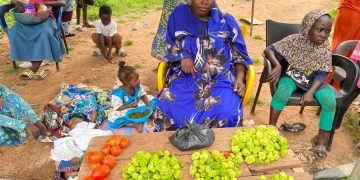
Across Ghana, beneficiaries have expanded from smallholder farming into agro-processing businesses, acquired machinery, accessed new markets, reduced post-harvest losses and created employment opportunities within their communities as a direct result of skills and opportunities gained through the initiative.
As the curtains closed on the 2026 edition in the Savannah Region, one message resonated throughout the gathering: empowering women farmers is not merely a gender issue; it is a national development strategy.
With stronger partnerships between government, development partners, financial institutions and the private sector, initiatives such as WOFAGRIC continue to demonstrate that investing in women is one of the most effective pathways toward achieving resilient food systems, sustainable rural development and agricultural transformation in Ghana.

