


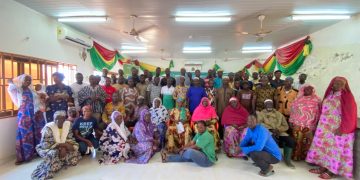
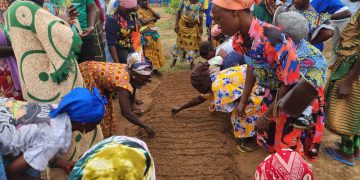

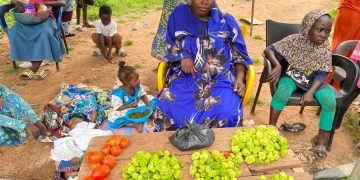
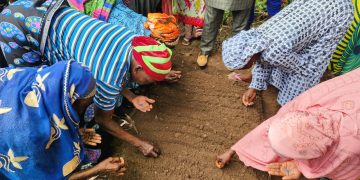
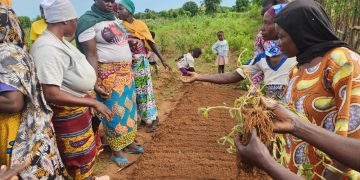



































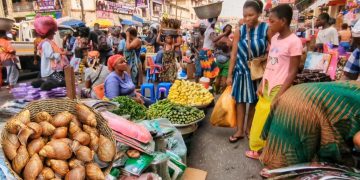

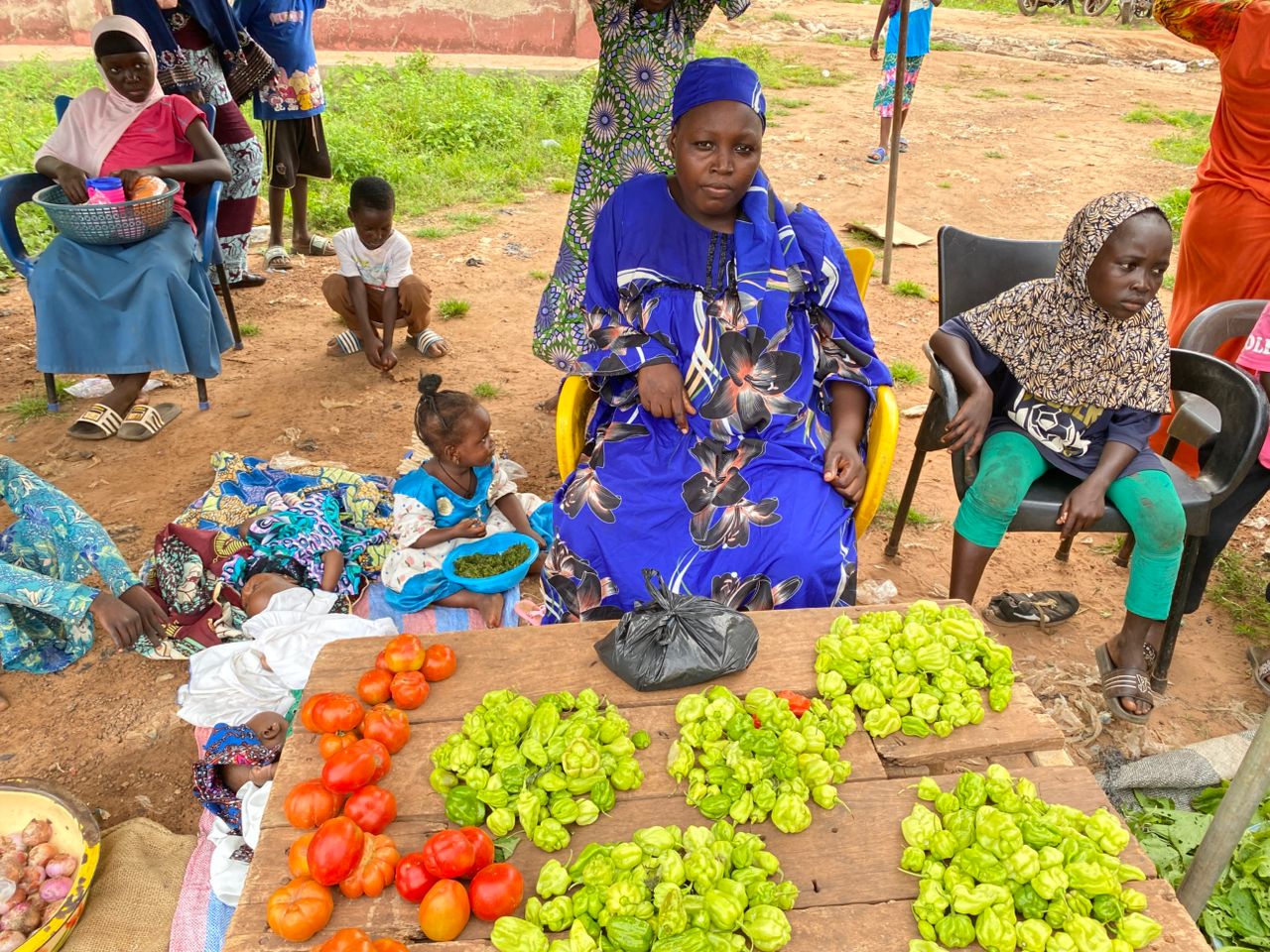
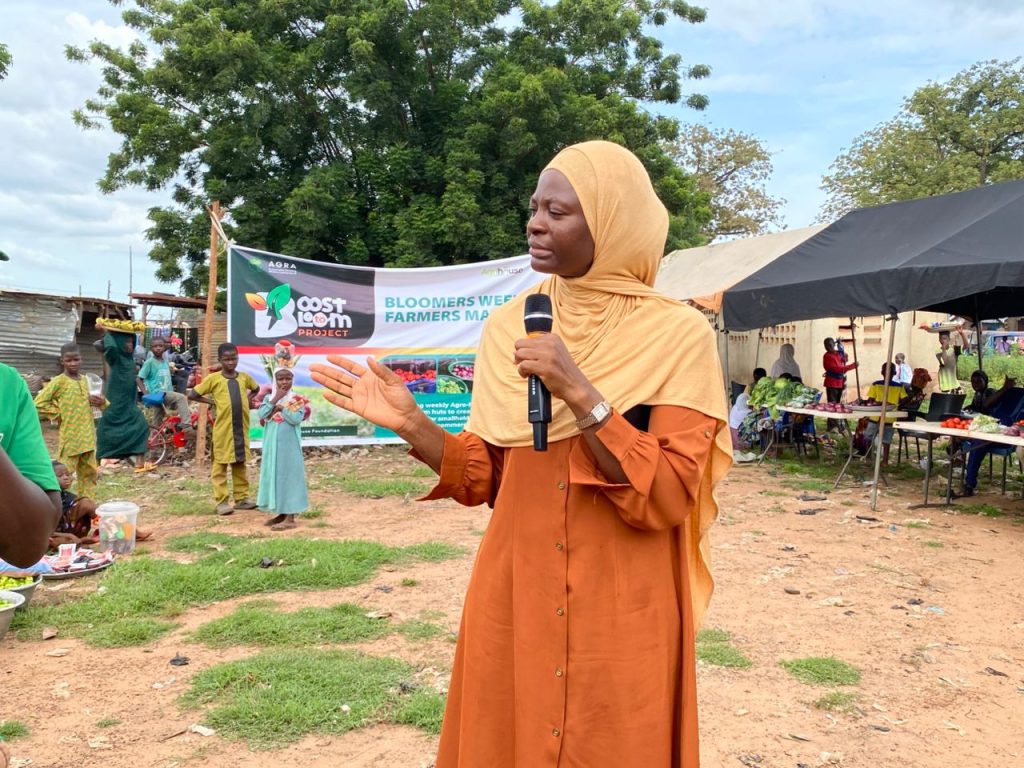
Women engaged in vegetable trading gathered at the Bloomers Weekly Farmers Market in Kumbungu, in the Northern Region to learn, connect and strengthen their knowledge on the safe handling of vegetables. For these women, who depend on vegetable trading for their livelihoods, proper handling of produce is essential to keeping their vegetables fresh, clean and attractive to customers.
The weekly market is part of the Boost to Bloom Project, designed as an inclusive platform that brings women in the vegetable trade together to learn, connect, share experiences and benefit from opportunities across the vegetable value chain.
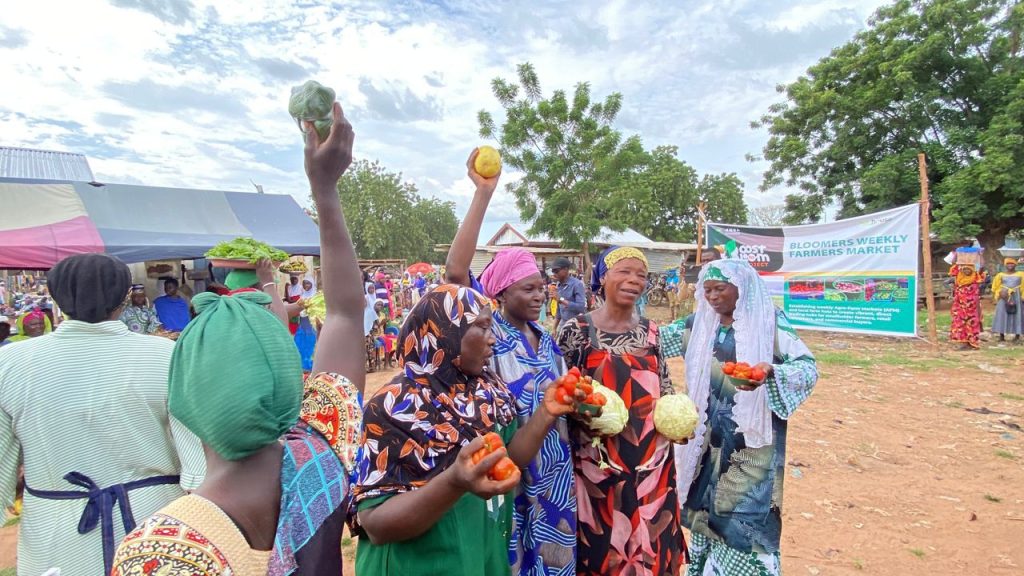
One of the key highlights of the event was an educational session on the safe handling of vegetables, led by WIAD Director, Fauzia Sadick. She took the women through simple but important practices that can help maintain the freshness, quality and safety of vegetables from the point of purchase or harvest to the consumer.
Speaking to the women, Madam Fauzia explained that vegetables need proper ventilation and should not be packed or stored in a way that prevents air from circulating.
“Vegetables need air. When you pack them tightly without proper ventilation, they can heat up and spoil faster. You need to make sure there is enough air around the vegetables to keep them fresh for longer.” She stated.
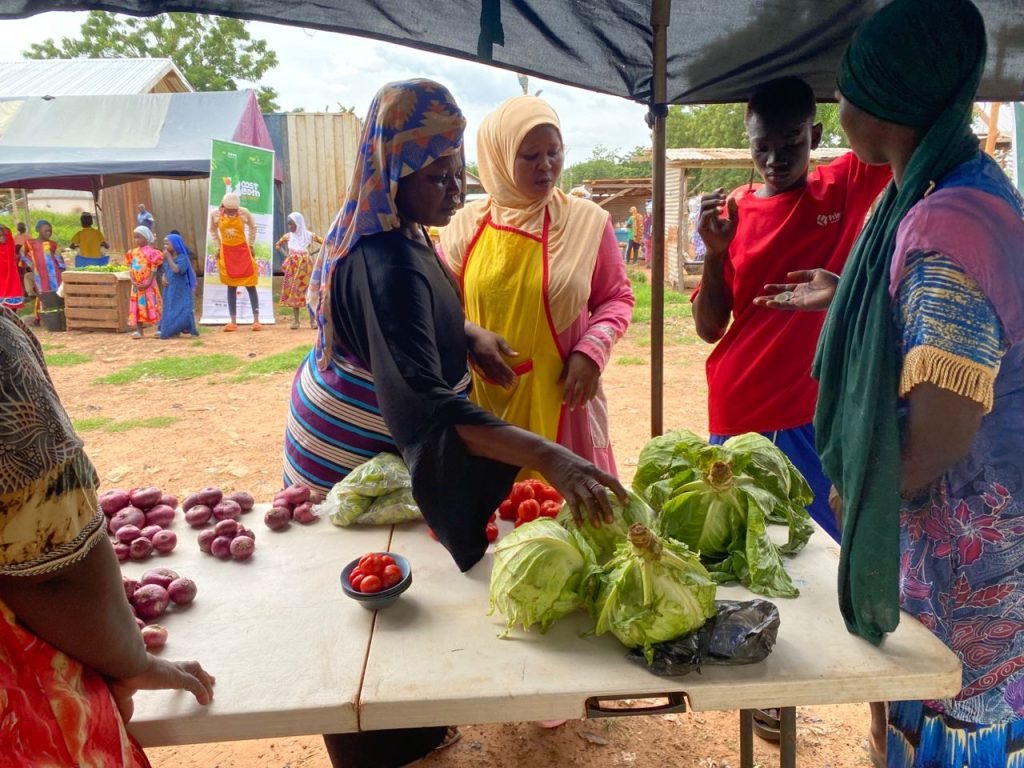
She also cautioned the women against mixing bruised or damaged vegetables with fresh produce. According to her, damaged tomatoes, peppers and onions can deteriorate quickly and affect the quality of the fresh ones when they are stored together.
“If you have bruised tomatoes, peppers or onions, do not mix them with the fresh ones. Separate them because the damaged ones can begin to spoil and affect the good ones.” She explained.
Another important lesson focused on where vegetables are placed for display and sale. Fauzia advised the women not to put vegetables directly on the floor, explaining that floors can expose produce to dirt, contaminants and other sources of contamination.
Instead, vegetables should be placed on clean and suitable raised surfaces, such as tables, trays or other appropriate platforms. This helps protect the produce while also making it more attractive and presentable to customers.
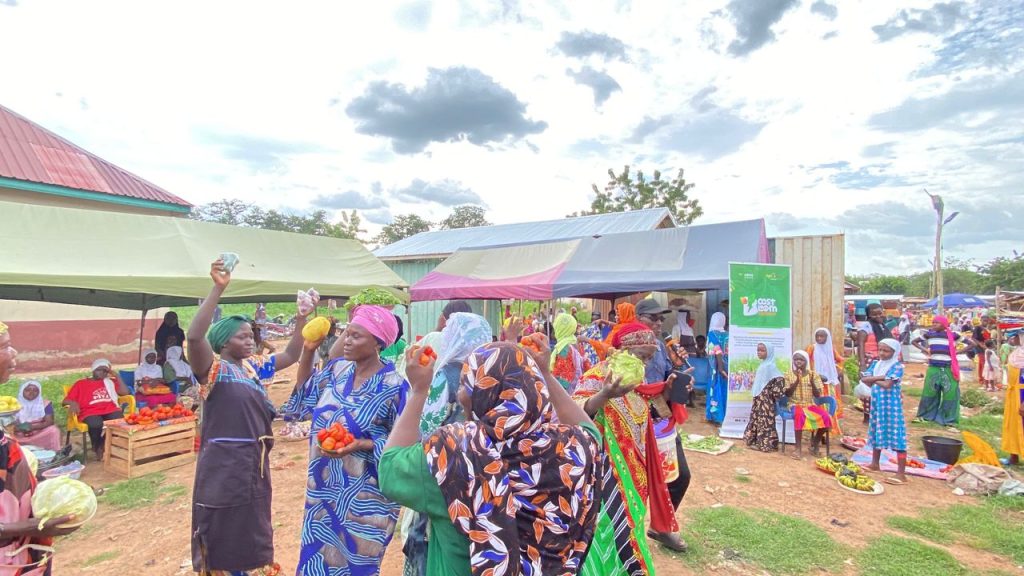
She further educated the women on the proper way of washing vegetables, stressing the importance of using clean water and clean containers when washing produce intended for consumption. Proper washing and careful handling, she explained, are important in ensuring that vegetables remain clean and safe for consumers.
The practical session reminded the women that selling quality vegetables is not only about the produce they bring to the market. How vegetables are handled, stored, displayed and washed can determine whether their quality is maintained or lost before they reach the consumer.
The Bloomers Weekly Farm Market was not all about learning. The women also had the opportunity to relax, interact and enjoy themselves through a lively musical chair’s activity, bringing excitement and laughter to the market.
The excitement continued with a question-and-answer session, where participants responded to questions based on the lessons shared during the market. Some of the women who answered correctly won prizes, including cloth, onion, pepper and tomato seeds, as well as fertilizers.
For the women, the prizes represented more than gifts. They provided useful resources that could support their vegetable related activities and encourage them to put some of the lessons from the market into practice.

