

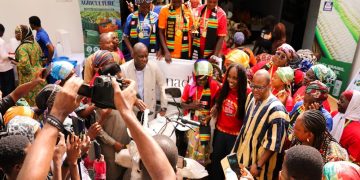
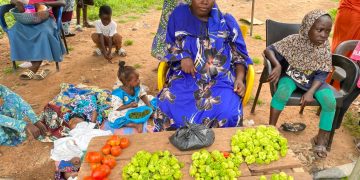
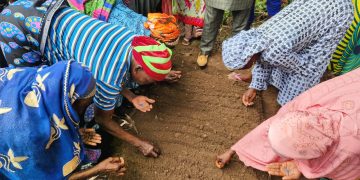
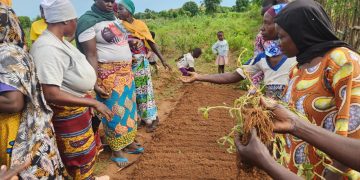
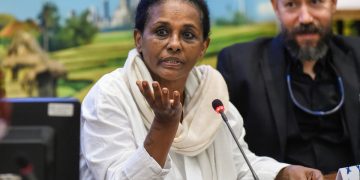



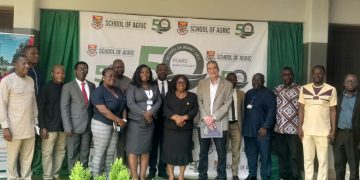




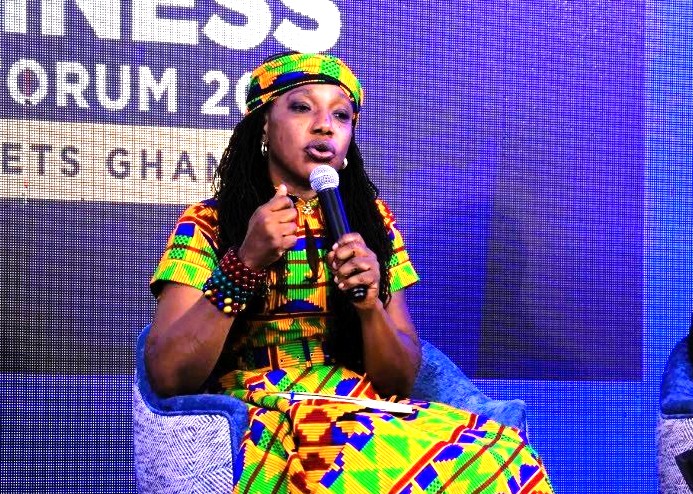

Executive Director and Founder of Agrihouse Foundation, Alberta Nana Akyaa Akosa, has called for a shift in the approach to investments and partnerships in Ghana’s agricultural sector, advocating a “sister-to-sister” model that prioritises regional development and promotes mutually beneficial collaborations between Ghanaian and European businesses.
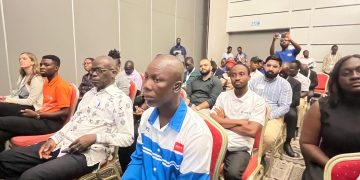
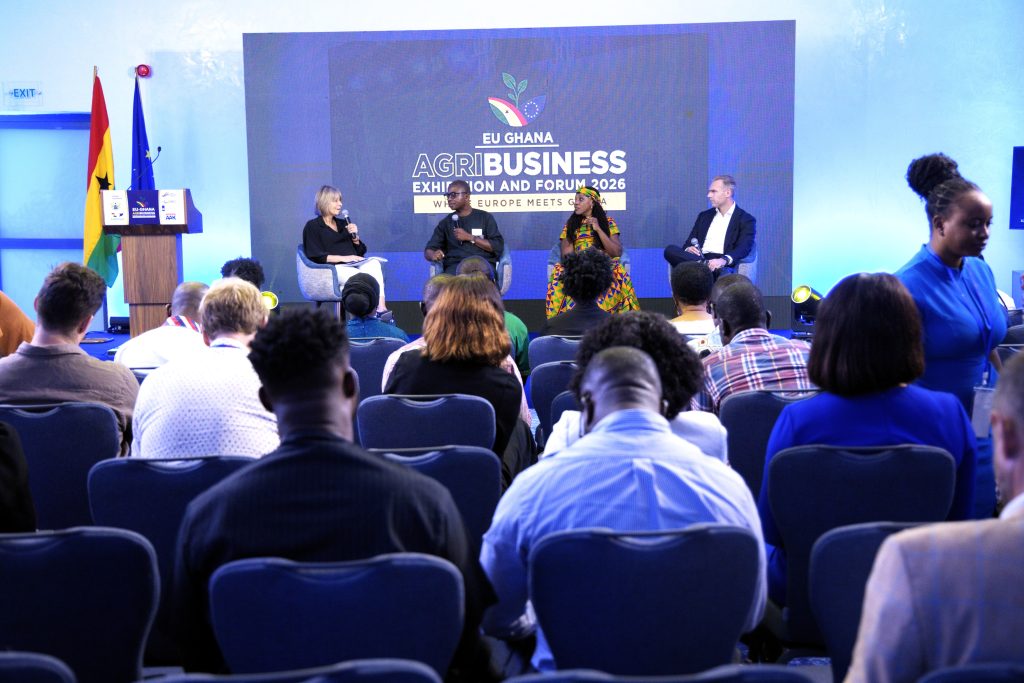
Speaking as a panelist at the recently concluded EU-Ghana Agribusiness Exhibition Forum 2026, held under the theme “Building Successful EU-Ghana Agribusiness Partnerships,” Alberta shared insights on how stronger partnerships between Ghana and the European Union (EU) could unlock new opportunities for agribusinesses, improve market access and strengthen agricultural value chains.
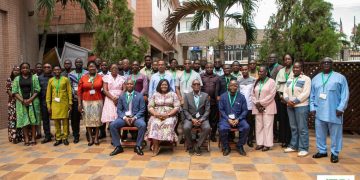
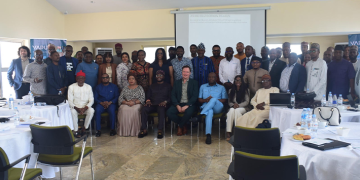
Organized by EuroCham Ghana, the two-day forum took place from October 28 to 29, 2026, at the Palms Hotel in Accra. It brought together European and Ghanaian stakeholders across the agribusiness sector to explore opportunities for collaboration, investment and mutually beneficial partnerships.
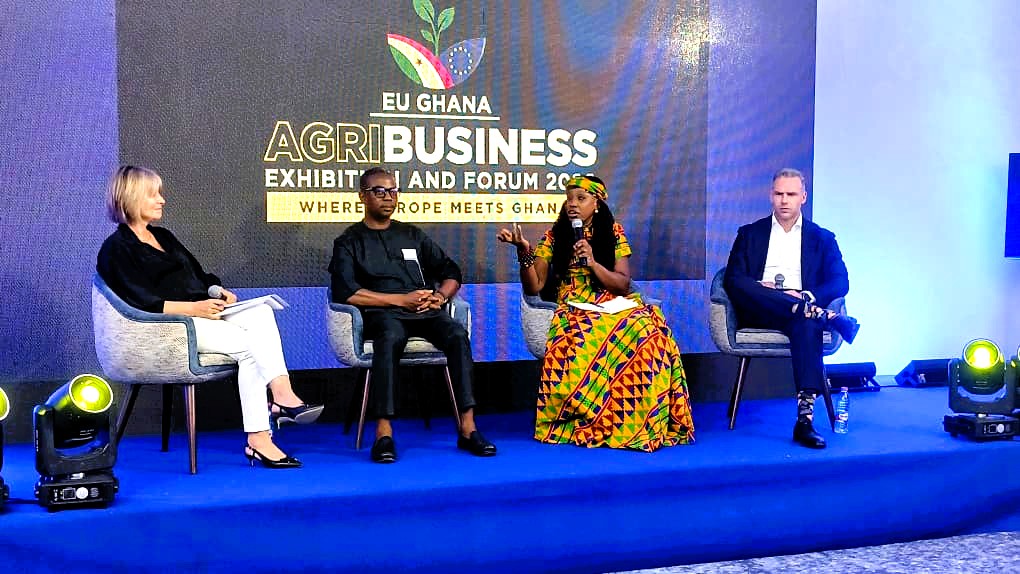
The session was moderated by Hilde Famaey, Chief Executive Officer of the Ghana Netherlands Business and Culture Council (GNBCC), with contributions from Mike Sips, Programme Advisor at the Netherlands Enterprise Agency (RVO), and Shaibu Mustapha, Head of Research and Advocacy of the Ghana Incentive-Based Risk-Sharing System for Agricultural Lending (GIRSAL), who addressed the role of credit guarantees in de-risking agricultural investments and partnerships.
Alberta emphasized that investments and partnerships in Ghana’s agricultural sector should move beyond conventional business arrangements to embrace a “sister-to-sister” approach, where collaborations are structured around the unique agricultural strengths and resource potential of Ghana’s 16 regions.
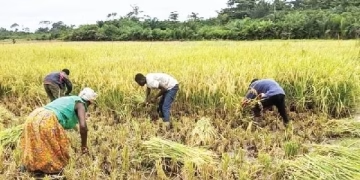
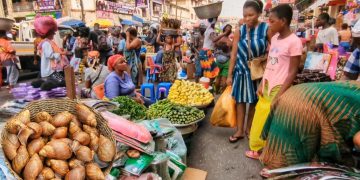
She explained that each region has distinct agricultural resources and raw materials that could serve as the foundation for targeted partnerships, creating opportunities for investors while stimulating local economic growth and strengthening regional agribusiness development.
According to her, successful EU-Ghana partnerships should go beyond the exchange of raw materials and finished products to encompass knowledge sharing, capacity building, infrastructure development, technology transfer and other forms of strategic cooperation.
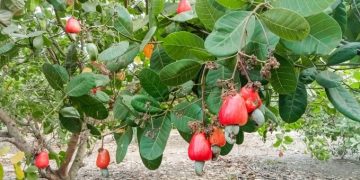
She noted that while Ghana has significant agricultural resources, including cocoa, shea butter, cashew and cotton, European partners could contribute expertise, technology, infrastructure and investment to strengthen production, processing and value addition across the agricultural value chain.
Alberta further advocated a shift from collaborations driven by what is currently “hot and trendy” in the agricultural sector, urging stakeholders to prioritize structured, long-term partnerships that respond to the specific needs and opportunities within Ghana’s regions.
She stressed that building successful and sustainable partnerships requires more than identifying gaps in the agricultural sector and offering immediate solutions. Rather, it demands deliberate efforts to establish trust, conduct proper research and due diligence, and understand the realities of the communities and businesses involved.
She therefore called on prospective investors and Ghanaian agribusiness owners to undertake background checks, engage relevant stakeholders and communities, and rely on credible data and research to guide investment decisions and partnership arrangements.
Alberta maintained that sustainable EU-Ghana agribusiness partnerships must be built on shared value, mutual trust and a clear understanding of what each partner brings to the table.
She urged stakeholders to look beyond short-term sales, transactions and isolated interventions, and instead invest in relationships that create lasting economic opportunities, strengthen local agricultural enterprises and contribute meaningfully to development across Ghana’s regions.