




Global Affairs Canada has reaffirmed its long-term commitment to transforming Ghana’s agricultural sector through strategic investments that are empowering women farmers, strengthening rural livelihoods and promoting inclusive economic growth.
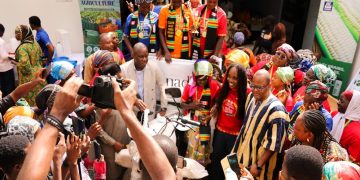
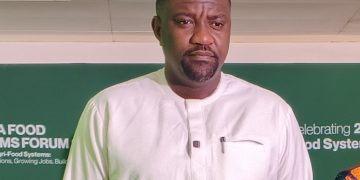
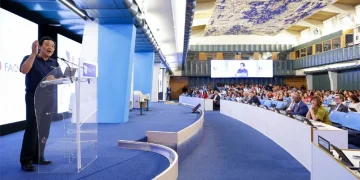
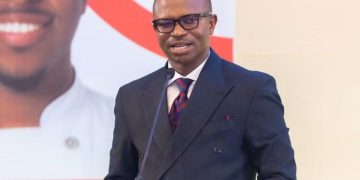
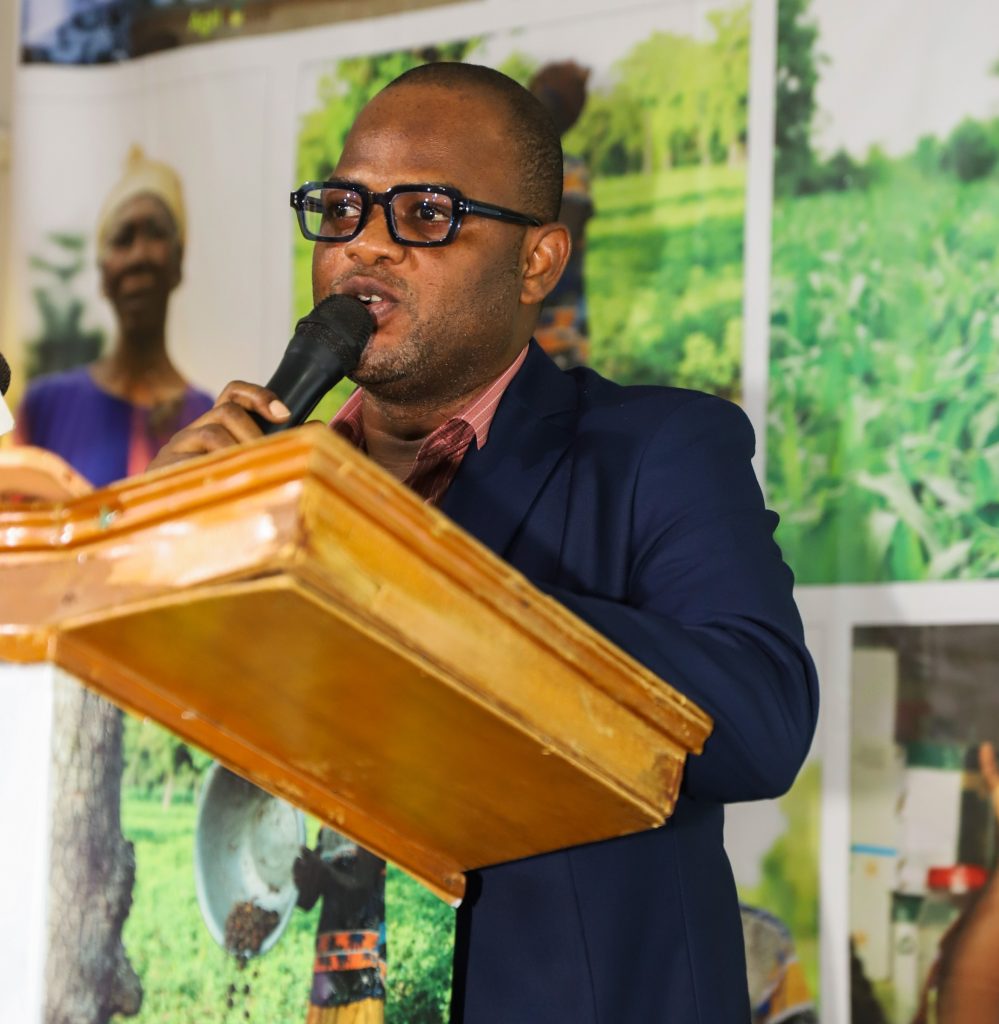
Speaking during the 8th Women in Food and Agricultural Leadership Training Forum (WOFAGRIC) in Damongo, Majeed Mohammed, Senior Development Officer at Global Affairs Canada, said Canada’s development cooperation in Ghana remains firmly focused on supporting initiatives that deliver measurable social and economic impact while unlocking the full potential of women in agriculture.
According to him, despite serving as the backbone of agricultural production across many developing economies, women farmers continue to encounter significant barriers to land ownership, affordable finance, modern technologies, mechanization, quality inputs and profitable market opportunities.
“Women are central to agricultural transformation, yet many continue to face structural challenges that limit their productivity and economic advancement,” he said. “Our investments are designed to remove those barriers and create opportunities that enable women to thrive as farmers, entrepreneurs and business leaders.”
Over $67 million invested in women’s agricultural empowerment
Mr. Mohammed disclosed that Global Affairs Canada has invested more than $67 million in programmes aimed at empowering smallholder women farmers and women-led agribusinesses across Ghana.
The investment supports several flagship interventions, including the Women in Food and Agricultural Leadership Training Forum (WOFAGRIC), the GROW2 Project, the Market Oriented Agriculture Programme (MOAP) and the Modernizing Agriculture in Ghana (MAG) initiative, alongside complementary programmes implemented with government institutions, development organizations and private-sector partners.
These interventions focus on improving women’s access to agricultural finance, productive inputs, mechanization services, business advisory support, financial literacy, entrepreneurship development, climate-smart farming practices and structured market opportunities.
According to Global Affairs Canada, the programmes are helping build resilient rural economies while promoting sustainable agricultural production and food security.
More than 52,000 women farmers reached
Highlighting the impact of Canada’s investment, Mr. Mohammed revealed that the supported programmes have so far reached over 52,000 smallholder women farmers, more than 5,800 women entrepreneurs, and 59 agribusinesses across Ghana.
The interventions have enabled thousands of women to strengthen their farming enterprises, improve productivity, access finance, adopt improved agricultural technologies and connect with new markets.
Beyond increasing farm output, he noted, the initiatives are creating employment opportunities, improving household incomes and enhancing women’s participation in agricultural value chains.
The programmes have also contributed significantly to advancing gender equality within Ghana’s agricultural sector by expanding women’s economic participation and strengthening their decision-making roles within farming households, producer groups and agribusinesses.
Mr. Mohammed emphasized that Canada’s vision is to see more Ghanaian women successfully scaling agribusiness enterprises, processing agricultural products for regional and international markets, attracting investment and creating employment opportunities.
“We want to see more Ghanaian women in agribusiness scaling beyond local markets and exporting value-added products across borders. We want to see women entrepreneurs thriving not only as producers but as innovators, investors and business leaders who create sustainable livelihoods.”
He explained that supporting women across the entire agricultural value chain, from production and processing to marketing, agribusiness management and exports, is essential to accelerating Ghana’s economic transformation.
WOFAGRIC continues to create lasting impact Through a partnership driving inclusive agricultural transformation
One of Canada’s longest-running partnerships in Ghana’s agricultural sector is its collaboration with Agrihouse Foundation through the annual Women in Food and Agricultural Leadership Training Forum (WOFAGRIC) and the Gold in the Soil Awards.
Now in its eighth year, WOFAGRIC has become one of Ghana’s leading platforms for empowering women farmers through technical training, leadership development, agribusiness coaching, mentorship, financial inclusion and market linkages.
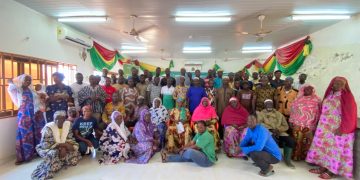
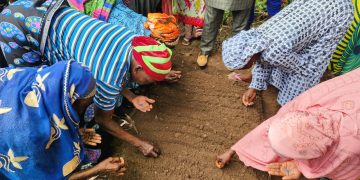
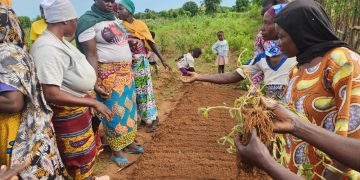
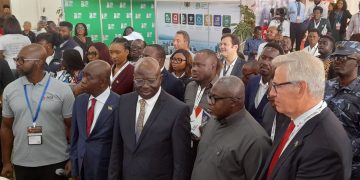
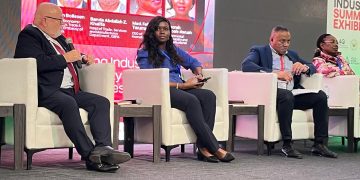
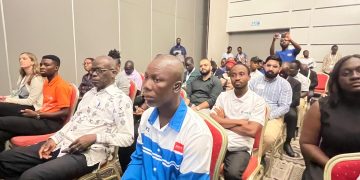
The 2026 edition brought together more than 500 women farmers, young agripreneurs, development partners, financial institutions, policymakers and agricultural industry players in Damongo for two days of practical training and knowledge exchange.
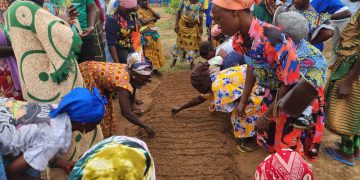
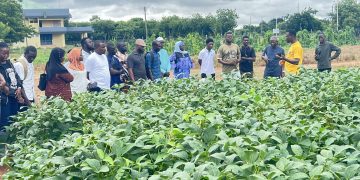
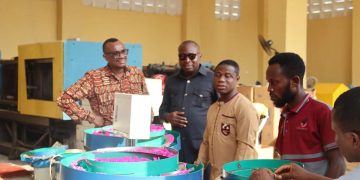
Participants received capacity-building sessions on agronomy, mechanization, climate-smart agriculture, financial management, agribusiness development, post-harvest handling, access to finance and modern production technologies from experts representing institutions including Qualiplast Limited, Ghana EXIM Bank, Ecobank, Chemico Limited, Sino Machinery Ghana and the Ministry of Food and Agriculture’s extension services.
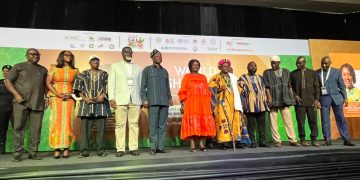
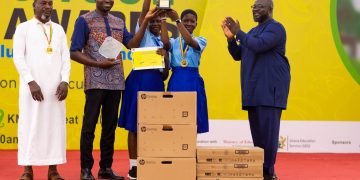
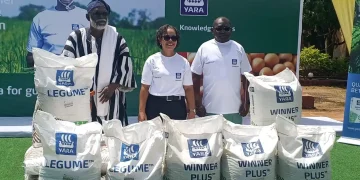
The forum concluded with the Gold in the Soil Awards, where 18 outstanding women farmers were honoured for their exceptional contributions to Ghana’s agricultural sector.
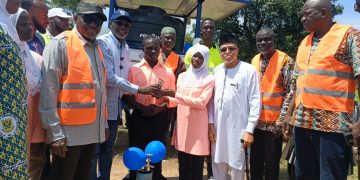
The overall winner, Bawa Damata, a 45-year-old physically challenged farmer from the Savannah Region, received a brand-new tricycle alongside agricultural inputs in recognition of her resilience, innovation and contribution to food production.
Global Affairs Canada’s continued support for WOFAGRIC reflects its broader commitment to ensuring that women are not merely participants in agriculture but leaders shaping the future of Ghana’s food systems.
Over the past eight years, the partnership has helped strengthen women’s leadership, improve access to knowledge and finance, promote entrepreneurship and create pathways for thousands of women to expand their agricultural enterprises.
As Ghana pursues greater food security, climate resilience and inclusive economic growth, Canada’s investments continue to demonstrate that empowering women farmers is one of the most effective strategies for building stronger rural communities, competitive agribusinesses and sustainable national development.
With sustained collaboration between government, development partners, financial institutions and the private sector, Global Affairs Canada believes Ghana’s women farmers are well positioned to become innovators, exporters, investors and transformational leaders driving the country’s agricultural future.

