


































Ghana is targeting an end to commercial rice imports by 2030 as the government rolls out plans to expand local production, strengthen rice processing and create a reliable market for Ghanaian farmers.
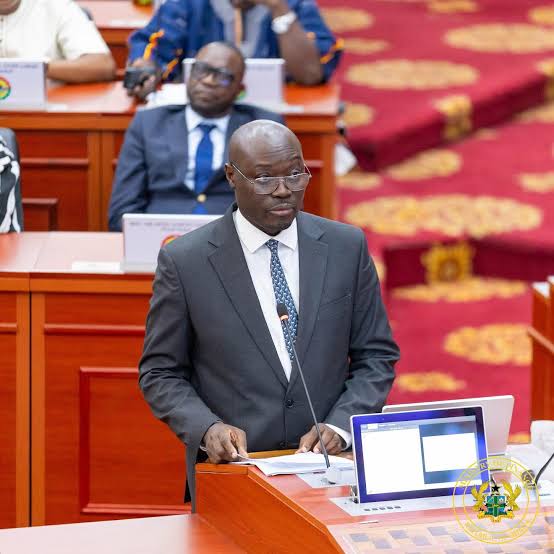
The Minister of Finance, Dr. Cassiel Ato Forson, announced this during the presentation of the 2027 Budget Statement and Economic Policy to Parliament, outlining measures to make the country more self-reliant in rice production.
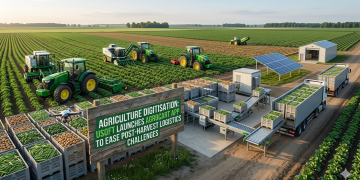
As part of the plan, the government will establish Rice Development Hubs in the Afram Plains, Volta Basin, Western Ghana and Northern Ghana to organize production and improve the country’s ability to meet its growing demand for rice.
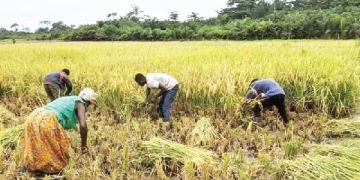
The hubs are expected to bring an additional 100,000 hectares of land under rice cultivation, with farmers targeting yields of five to six metric tonnes per hectare. The programme is also expected to support approximately 125,000 jobs.
Four Rice Development Hubs to Drive Production
The proposed Rice Development Hubs will bring together the key services and facilities needed to improve rice production and processing.
These will include irrigation systems, farm machinery, storage facilities, modern rice mills, packaging centers and transport services.
The aim is to ensure that farmers have access to the facilities needed to produce more rice, reduce losses after harvesting and get their produce to the market in good condition.
The Finance Minister explained that the government would introduce targeted tax incentives for investments in irrigation, mechanization, silos, modern mills, packaging and logistics within the hubs.
These incentives are expected to reduce the cost of setting up and operating rice production and processing facilities, encourage private-sector investment and help locally produced rice compete in the market.
Public Institutions to Buy Only Locally Grown Rice
In another major policy move, the government plans to amend public procurement laws to require schools, hospitals and other public institutions using public funds to purchase only food produced in Ghana.
This means that rice and other food items purchased for public institutions will be sourced from local farmers and processors.
The policy is expected to create a steady market for Ghanaian rice farmers and millers while ensuring that public spending supports local businesses and creates jobs within the country.
Dr. Forson stressed that government resources must be used to support the country’s own producers and businesses.
He explained that money spent on feeding schoolchildren, patients and other beneficiaries should also create opportunities for Ghanaian farmers.
Rice Import Licences to Depend on Local Purchases
The government is also introducing a new condition for companies seeking rice import licences.
Beginning in 2027, rice import licences will be linked to purchases made from verified Ghanaian farmers and millers.
Under this arrangement, importers will be required to buy a specified share of locally produced rice before accessing import licences.
The share of local rice purchases will increase as domestic production grows, while the amount of rice allowed into the country through imports will gradually decline.
The measure is intended to encourage importers to support local farmers and processors while creating a stronger market for Ghanaian rice.
A New Opportunity for Ghanaian Rice Farmers and Businesses
The proposed measures could create new opportunities for farmers, rice millers, machinery suppliers, transport operators and other businesses involved in the rice industry.
With an additional 100,000 hectares expected to be brought under production, demand for improved seeds, fertiliser, irrigation equipment, farm machinery and other agricultural services is also expected to increase.
The expansion of modern mills, storage facilities and packaging centres could further create jobs and improve the quality of locally processed rice.
For farmers, the planned public procurement policy and local purchasing requirements for importers could provide a more dependable market for their produce.
For investors and agribusinesses, the four development hubs present opportunities to participate in rice production, processing, storage and distribution.
Reducing Ghana’s Dependence on Imported Rice
Rice remains an important food in Ghana, with demand placing pressure on local production and contributing to the country’s food import bill.
The government’s new plan seeks to address this challenge by increasing the amount of rice produced locally, improving processing facilities and ensuring that farmers have access to reliable markets.
However, achieving the 2030 target will depend on how quickly the proposed hubs are developed, how effectively farmers are supported and whether locally produced rice can meet the quality, quantity and price expectations of consumers.
The government’s approach brings together increased production, private-sector investment, local purchasing requirements and a gradual reduction in import licences.
If successfully implemented, the plan could strengthen Ghana’s rice industry, increase farmers’ incomes, create jobs and keep more of the country’s food expenditure within the local economy.
The Finance Minister’s message was clear: Ghana must increasingly produce the rice it consumes, and public spending and import policies must support that goal.