





























Ghana is set to intensify efforts to achieve self-sufficiency in sugar production by 2030, with the sugar value chain identified as the government’s second major intervention under its agricultural development agenda.
The Finance Minister announced the initiative in the 2027 Budget Statement, outlining plans to strengthen local sugar production through expanded sugarcane cultivation, irrigation, commercial farming and the establishment of viable processing mills.
According to the Minister, the strategy will focus on locally grown sugarcane, irrigated production zones, nucleus estates and organised outgrower schemes to ensure a reliable supply of raw materials for domestic processing.
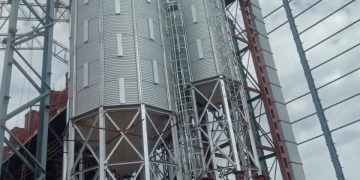
The government also intends to establish commercially viable sugar mills to support local processing and reduce the country’s dependence on imported sugar.
As part of the implementation process, designated sugar development zones will be selected based on land suitability, water availability, logistics and financial viability. These considerations are expected to guide investments and ensure that production activities are established in locations capable of supporting sustainable operations.
The government will also introduce import permits and quotas as part of measures to support the local sugar industry. Under the proposed arrangement, sugar import quotas will gradually decline as verified domestic production increases.
The policy is expected to create a more structured market for locally produced sugar while encouraging investment across the sugar value chain.
Achieving sugar self-sufficiency by 2030 will require coordinated efforts in agricultural production, infrastructure development, processing capacity and private-sector investment.
The planned intervention signals the government’s intention to expand domestic agricultural production, strengthen local processing and reduce reliance on imported food commodities.