


































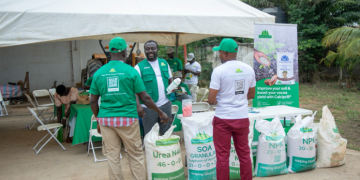




The Minister of Food and Agriculture, Hon. Eric Opoku has urged organic fertilizer manufacturers to make use of cow dung at the Ashaiman Tulaku Market.
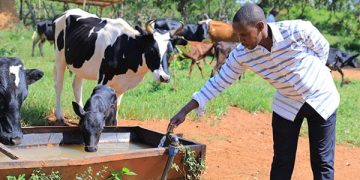
Speaking during his visit to the market on February 2, 2026, the Minister said that the facility is endowed with cow dung which is useful for manufacturing organic fertilizer.
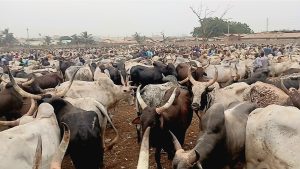
He emphasized that this approach would serve as a part of the broader sustainable sanitation measures to be enrolled to make the place clean while ensuring healthy animals. “the cow dung cannot just remain waste, it is a source of fertilizer. Fertilizer manufacturers must pay attention to this place and make good use of it to produce organic fertilizer.”

The Minister assured that the ministry will engage fertilizer producing companies to formally discuss on how to take advantage of the cow excrement at the market. This is of no business purposes but maintain a clean and hygienic environment in the long term, ensure healthy animals, and hygienic meat for consumption. He stated that this will help alleviate the burdensome of disposing them off as a waste. Additionally, this move also offers side benefits such as serving as a source of employment and income generation for individuals and companies.
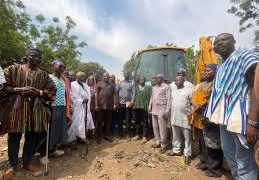
To promote clean and safety environment at the market, the Minister donated Ghc30,000 to secure payloader services to clear accumulated waste ahead of initiating sustainable long term measures.
The market authorities are also to receive a brand new payloader, and a large-sized tricycle to assist in cleaning services at the market.
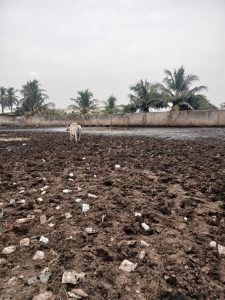
According to experts, cows dung composed of undigested plant material, microorganisms, and various organic compounds. Historically, farmers have used it as a natural fertilizer, fuel source, and building material. Beyond its conventional roles, cow dung plays an integral part in creating nutrient-rich soil amendments, promoting soil health, and supporting eco-friendly farming practices.
Historically, cow dung has been used as a natural fertilizer, fuel source, and building material, contributing to sustainable farming practices. Additionally, it plays a significant role in enhancing soil fertility and promoting plant growth.

