























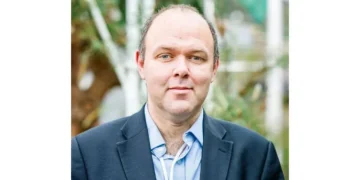




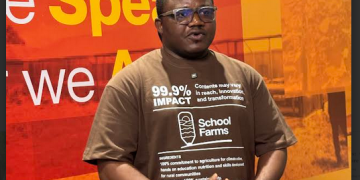







Nebraska farmer Jesse Williams and Extension educator Dirk Charlson explain how precision agriculture technology helps manage farm variability through the GEMS framework.
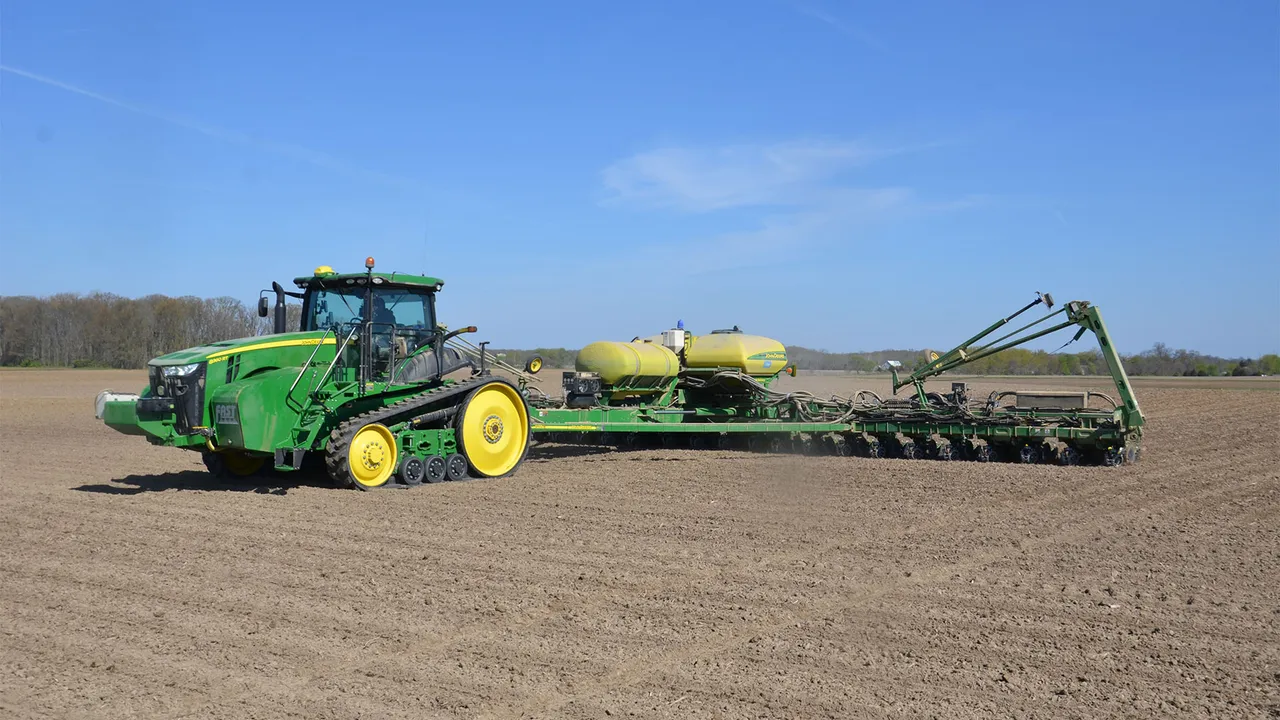
Jesse Williams uses precision technology from planting through harvest on his 1,000-acre farm in Polk County, Neb. From grid soil sampling to variable-rate nitrogen application, he uses state-of-the-art technology to provide the information he needs to make decisions. Then he relies on technology to help execute practices like variable-rate applications in the field.
Yet in everything Williams does, the goal is obvious. He is after maximum profitability. Precision technology tools and techniques help do it more effectively, Williams said.
Dirk Charlson, Extension educator specializing in digital agriculture at the University of Nebraska, views precision agriculture as tools to help people farm better, and not as the be-all and end-all, by itself.
“A professor of mine, Randy Shoemaker, said: ‘Don’t let the technology get in the way of science,’” Charlson said. “His point was remembering what was most important — the science of what you were studying, not the technology.
“I tweaked the saying: ‘Don’t let technology get in the way of farming.’ Precision technology helps us be more efficient. But we aren’t buying it just to have technology. We invest in it to solve problems and manage our farms better.”
Managing variability
The goal of farming is profitability, even if it is also a way of life, Charlson said. Variability is a major obstacle.
“Variability consists of inconsistent yields over years and space, and variability leads to uncertainty, including whether farming will be profitable,” Charlson said. “That is why risk management is important.”
Precision agriculture offers options that can reduce risk, he noted. Ag economists developed a systems framework to illustrate how precision tools can help, called GEMS. These factors interact together:
-
genetics
-
environment
-
management
-
socioeconomics
“Genetics is hybrid or variety choice, but it is more than that too,” Charlson said. “It is also about biology and change that comes with cover crops. We have least control over environment, which starts with weather patterns and includes interactions related to soil type, pests and nonbiological stresses.
“We have more control over management, like seeding rates, applying fertilizer correctly and utilizing variable-rate technology. Socioeconomic centers on risk management. How much risk are you willing to take? How does equipment cost factor in?”
Simple example
The goal is to use precision ag tools to manage GEMS interactions and achieve profitability, Charlson said. Identify sources of variation and yield-limiting factors, either natural or man-made. Start with analyzing yield maps. Then apply the GEMS concept to determine variation you can reduce.
Suppose there are two soil types in a field: a loam and a sandy soil. The sandy soil is drought-prone. Use GEMS to reach possible solutions:
- Genetics. Select corn hybrids with drought-tolerance on the sandy soil.
- Environment. If it’s available, increase irrigation on the sandy soil.
- Management. Lower seeding rates on the sandy soil, increase them on the loam, and consider placing hybrids by soil type with a multi-hybrid planter.
- Socioeconomics. Factor in cost of a variable-rate and/or multi-hybrid planter, and cost of variable-rate irrigation. These adjustments with precision tools are possible today — but will they pay?
“You don’t have to make all changes in one year,” Charlson concluded. “It could be a multiyear plan implemented over time.”
Source: FarmProgress.com

