





























Ghana has called on African leaders to unite behind an ambitious demand for at least US$100 billion annually in climate finance, cautioning that the continent cannot continue to absorb the growing cost of climate change without strong global support.
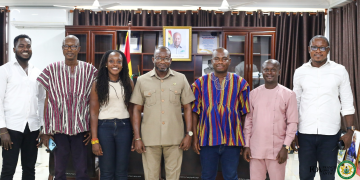
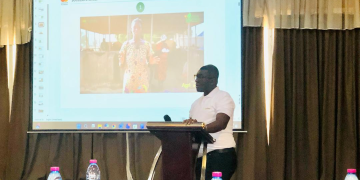
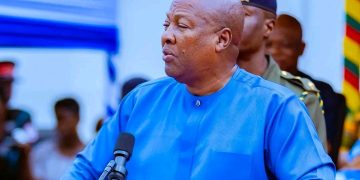
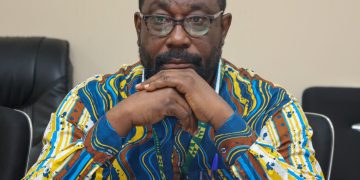
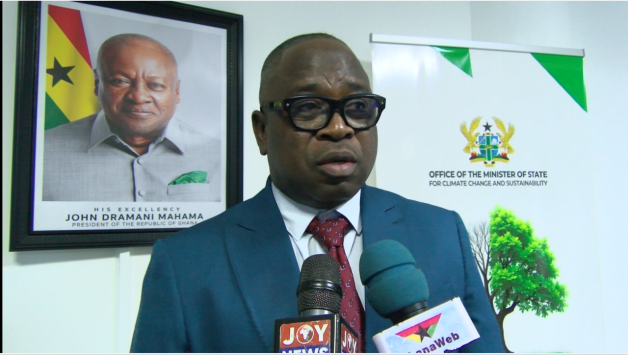
The appeal was delivered in Nairobi by the Minister of State for Climate Change and Sustainability, Alhaji Baba Seidu Issifu, on behalf of President John Dramani Mahama, at the African Leaders’ Meeting on Climate Adaptation, chaired by Kenyan President William Ruto.
Conveying the President’s goodwill to fellow leaders, Alhaji Issifu said President Mahama fully aligns with the objectives of the meeting, describing it as timely and critical, even though he was unable to attend in person.
He warned that Africa is already bearing the brunt of climate change, with intensifying droughts, floods and rising temperatures increasingly threatening lives, livelihoods and years of development progress across the continent.
According to him, deliberations and outcomes from COP30 in Belém, Brazil, underscored the urgent need for Africa to take decisive and collective action in confronting the climate crisis.
“Climate adaptation is no longer optional for Africa; it is a development necessity,” he stated, stressing that resilience must be embedded at the core of national and continental growth strategies.
Alhaji Issifu urged African governments to focus on unlocking high-impact, resilience-driven economic opportunities by strategically mobilising climate finance, strengthening multilateral cooperation and deepening private-sector participation.
He described the Africa Adaptation Acceleration Programme (AAAP 2.0) as a critical pathway toward building a climate-resilient continent and called on leaders to work together to secure concrete and predictable financial commitments to support its implementation.
The minister emphasised that the call for increased financing was grounded in current realities, pointing to challenges that emerged during COP30, where adaptation negotiations, he said, faced significant setbacks.
He criticised the revised Global Goal on Adaptation framework, which reduced adaptation indicators from 100 to 59, noting that the change was widely regarded as a regression. He added that concerns were raised about the technical credibility of the new framework and the lack of transparency surrounding its development, resulting in growing trust deficits among parties.
Although negotiations eventually concluded with an agreement, he observed that the final text remained weak on Loss and Damage, failing to acknowledge the scale of needs or provide clarity on financing mechanisms.
He further noted that discussions on climate finance remained fragmented, with the proposed Article 9 work programme still not offering developing countries a clear platform to address the delivery of public climate finance under the new global goal.
Overall, he said, the broader finance package emerging from COP30 was inadequate to bridge the widening gap between Africa’s climate needs and actual financial flows.
Turning to Ghana’s national response, Alhaji Issifu said the country is mainstreaming climate resilience into its development planning, expanding green job opportunities and advancing its 24-hour economy agenda, which places sustainability at the centre of economic transformation.
He explained that Ghana’s approach prioritises green growth, renewable energy and sustainable infrastructure, with increasing investments in solar and hydropower, climate-smart agriculture and innovative energy solutions to secure the country’s future.
However, he acknowledged persistent challenges, including high financing costs, limited access to technology and inequitable global trade systems, which continue to constrain Africa’s climate ambitions.
“These realities make it clear that Ghana, like many African countries, cannot face this challenge alone,” he said. “We need genuine partnerships, fair financing arrangements and meaningful technology transfer.”
Highlighting the continent’s disproportionate burden, he noted that Africa contributes less than four per cent of global greenhouse gas emissions, yet experiences some of the most severe climate impacts.
“This imbalance is unjust and unsustainable,” he stressed. “Africa is not asking for aid or debt-creating solutions. We are asking for fair, accessible climate finance built on partnership.”
Alhaji Issifu said AAAP 2.0 provides a practical roadmap for a climate-smart Africa but can only succeed if adequately resourced.
“This is our opportunity to leapfrog into a resilient future,” he said. “Mobilising US$100 billion annually for African adaptation and mitigation can turn climate action into a powerful driver of industrialisation and inclusive growth.”
He challenged development partners to translate pledges into tangible action and urged African leaders to adopt a strong communiqué affirming that the continent’s climate resilience is non-negotiable.
Reaffirming Ghana’s commitment to regional and global climate action, he also issued a call to Africa’s youth, encouraging them to take ownership of the climate agenda.
“To the young people of Africa—this is your moment. Innovate, engage and lead climate action in your communities,” he said.
He concluded by urging participants to leave the meeting with a clear and actionable roadmap, stressing that Africa’s resilience cannot be postponed and that the time for decisive action is now.

