








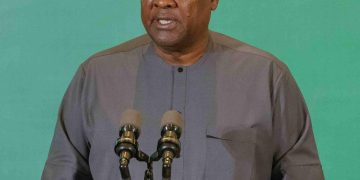





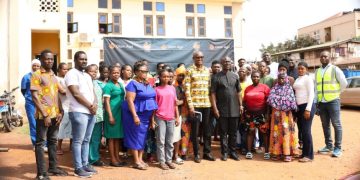

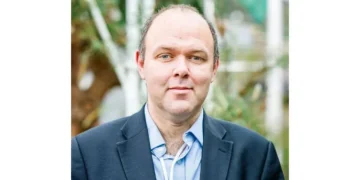







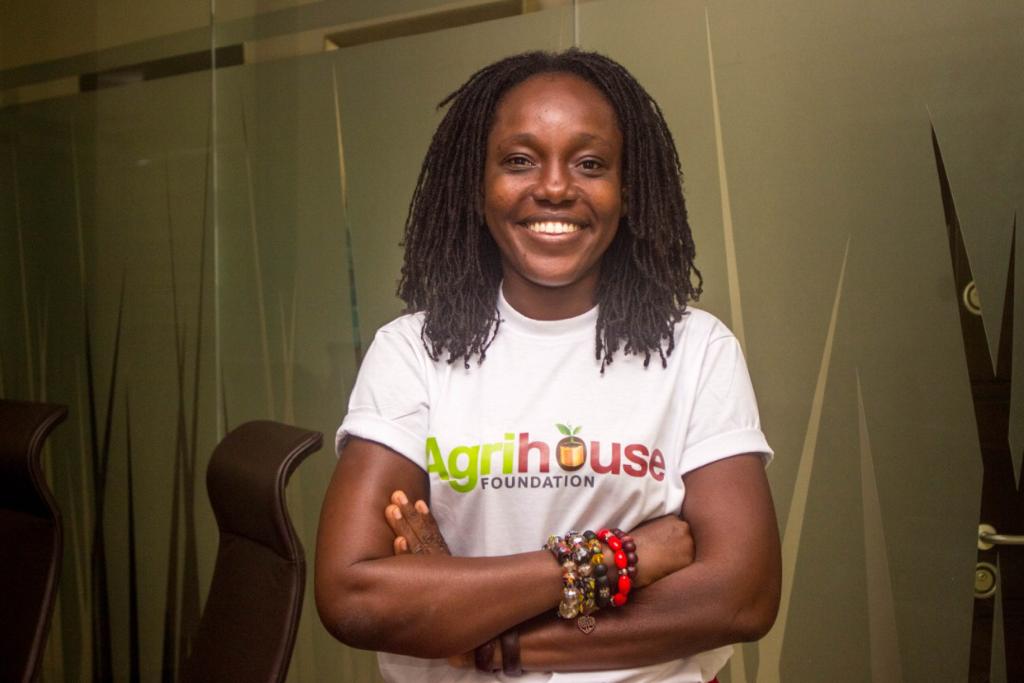
Founder and Executive Director of Agrihouse Foundation, Alberta Nana Akyaa Akosa has said that formidable infrastructure and educational set-ups are the essential structures to Ghana’s agricultural growth.
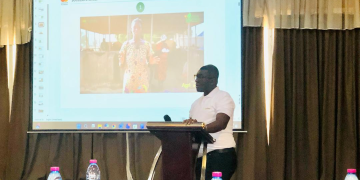
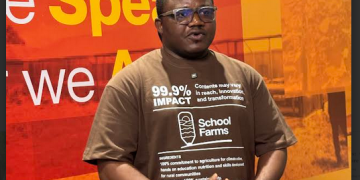
Ms Akosa in an interview with Britalians TV presenter, Marco Biagioli in Rome, where she was also a featured speaker at the FAO’s World Food Forum, hinted at some lingering challenges that threaten the work of farmers and Ghana’s agricultural sector as a whole.

She highlighted that formidable structures, infrastructure and educational setups still remain a gap that hinders value addition and general growth.
According to her, these are key pillars that drive a successful agriculture and agribusiness, yet, not duly integrated to produce feasible results. “we don’t have the machinery, equipment, warehouses to put us in a better position for growth” she stated.
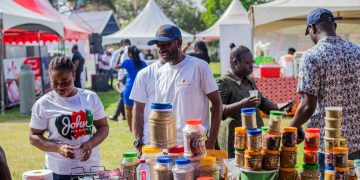
She explained that formidable structures helps in moving beyond subsistence farming toward commercial, mechanized agribusiness whiles infrastructure avails better roads, storage facilities, and irrigation to boost yields, aid in easy conveyance of farm produce, reduce post-harvest loss, and give room for value addition. Educational Setups helps in training the youth to see farming as a professional business, not just a labor-intensive chore. she added that agribusiness is rising with a lot of opportunities that the youth can explore to create value and make something meaningful from.
She stated that, this is a general challenge hindering growth in the agricultural sector without necessarily being subjective to gender or groups which has to be resolved with robust sustainable policies.
Ms. Akosa argues that infrastructure and policy shouldn’t just be for one group or gender; they are universal requirements for the entire nation’s growth.
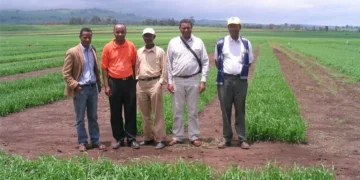
Ms Akosa underscored the necessity to pay attention to each Region’s identified unique strengths in agricultural production across the value chain with key infrastructures that would allow for commercialization internal food security, and exportation.
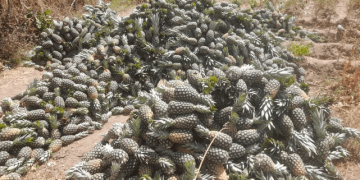
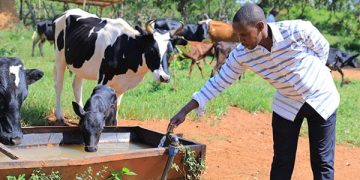
“We have realized that each of the 16 Regions in Ghana has what they can produce in their own way such as rice, poultry and others which we should help to build from production to marketing to commercialization.” she said.
“If each region is approached like that where some produce, for example rice, others poultry and in that order, we would realized that there will be tremendous growth, boost our production, reduce the rate of importation, and create more jobs to make ourselves happy by transforming livelihoods.” she stated.
“we still lack the structures, the infrastructure, and the educational setups that drives growth when it comes to agriculture, and when it comes to adding value” she added.
Ms Akosa emphasized that the regional approach for agricultural growth could be transpired through sustainable policies that would transform the agricultural sector on a long term, without being impacted by the transfer and continuity of governments. She said, there have been series of designed policies meant to address these shortfalls. However, the country lacks sustainable implementation strategies to produce results on the long run, therefore calling for a national agricultural blueprint that its implementation would not change with governments.
“If we have a holistic policy that provides direction for our agricultural sector for the next 15 to 20 years, and each government that comes in is to stick to it and adopt it, I think there will be a substantial growth in the sector” she explained.
https://web.facebook.com/share/p/1AEzBL2HCS/

