




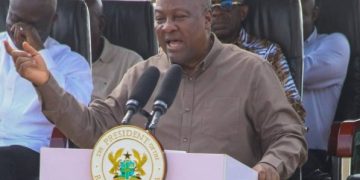
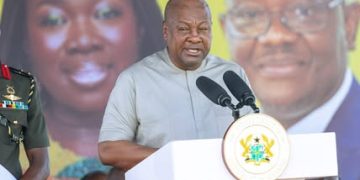











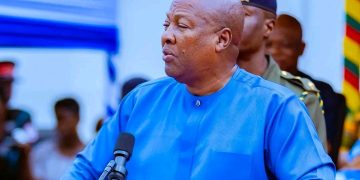





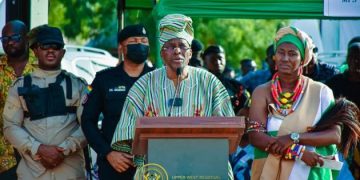



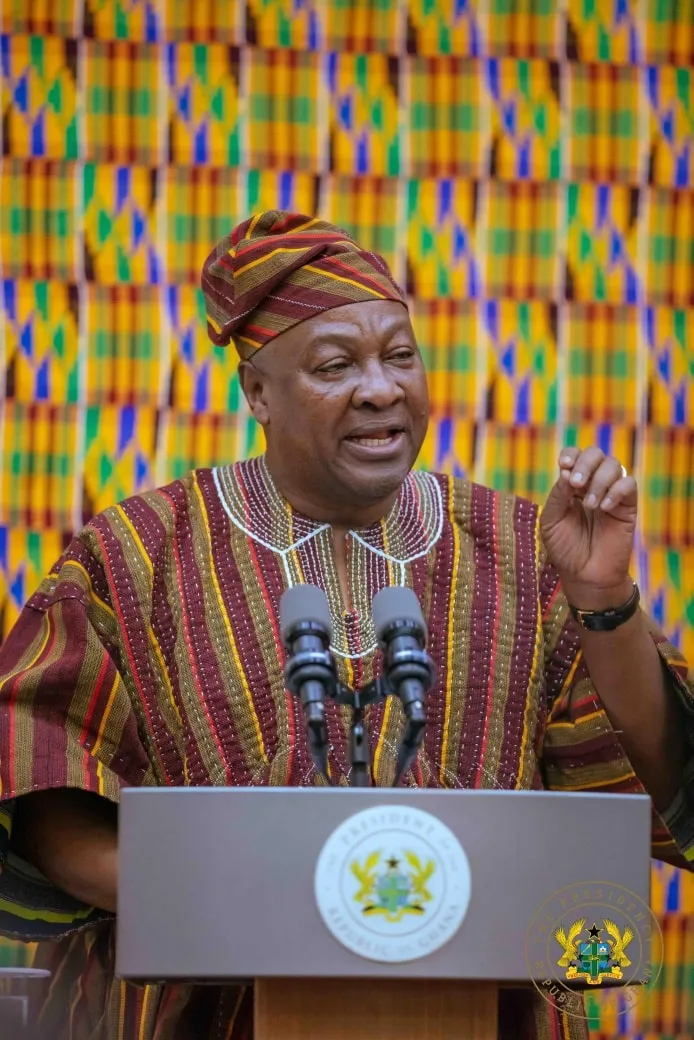
President John Dramani Mahama used his 2026 State of the Nation address to reaffirm his administration’s commitment to sustaining fiscal and structural reforms, saying government’s reset strategy is delivering measurable gains for households and businesses.
Addressing parliament in Accra last Friday, the president said fiscal adjustments and targetted tax reliefs have returned an estimated GH¢6billion in disposable income to Ghanaians. The additional income, he said, reflects spending controls, revenue restructuring and policy measures designed to stabilise public finances and lower the cost of living.
“Our reforms have not only stabilised the economy; they have put tangible money back into the hands of everyday citizens,” he told lawmakers. “We estimate that the fiscal adjustments and tax relief measures we implemented have freed-up GH¢6billion of disposable income for households across Ghana.”
President Mahama said inflation has declined and macroeconomic conditions have improved, helping to strengthen purchasing power. He added that the reforms were aimed at protecting livelihoods and promoting inclusive growth while restoring economic confidence.
The president also announced that government has secured US$250million in immediate savings after renegotiating existing Power Purchase Agreements with nine Independent Power Producers. In addition, US$1.1billion in legacy energy sector debt has been restructured for payment between 2026 and 2028.
“To address the high cost of power, government has successfully renegotiated existing power purchase agreements,” he said. “Engagement with the nine independent power producers has resulted in US$250million of immediate savings and US$1.1billion legacy debts restructured for payment between 2026 and 2028.”
The revised agreements will be submitted to parliament for ratification. President Mahama said the move is intended to ease financial pressure in the energy sector, improve efficiency and moderate electricity tariffs for households and firms.
On the external front, President Mahama attributed a sharp rise in gross international reserves to operations of the Ghana Gold Board. Reserves have climbed to US$13.8billion, equivalent to 5.7 months of import cover, from US$8.9billion at the end of 2024.
“Mr. Speaker, our reserves currently stand at US$13.8billion – up from US$8.9billion at the end of 2024. This provides 5.7 months of import cover. A major contributor to this progress has been establishment of the Ghana Gold Board,” he said.
Since its formation, the Gold Board has facilitated the export of 103 tonnes of gold over a 10-month period, generating more than US$10billion in foreign exchange earnings. The formalisation process has also increased officially recorded shipments from the artisanal small-scale mining sector, which reached 66.3 tonnes by the end of 2024.
President Mahama backed the Finance Minister’s Ghana Accelerated National Reserve Accumulation Policy, which sets a weekly gold purchase target of about 3.02 tonnes to support reserve build-up at the Bank of Ghana.
The president said the broader reform agenda is strengthening fiscal discipline. Ghana recorded a primary surplus of 2.6 percent of GDP in 2025, exceeding the 1.5 percent target, while the fiscal deficit narrowed to 3.1 percent – below the projected 3.8 percent.
“Growth means nothing without discipline,” President Mahama said, noting that reduced borrowing and improved spending controls are helping to lower interest rates and support private sector recovery.

