



























The Peasant Farmers Association of Ghana (PFAG) is calling on government to channel any funds recovered from the alleged missing 10,000 metric tonnes of rice under a food distribution programme aimed at mitigating the impact of the dry spell in 2024 back into the agricultural sector.
According to the Association, reinvesting the recovered resources into agriculture will help farmers expand production, strengthen food security and build resilience against climate-related shocks.
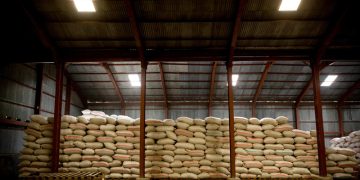
The call follows revelations in the latest report by the Ghana Audit Service, which indicated that government paid for 34,000 metric tonnes of rice as part of the intervention programme but only 24,000 metric tonnes were received.
The rice was procured as part of efforts to support farmers and vulnerable communities affected by the dry spell, which disrupted farming activities and threatened food supply in several parts of the country. However, the discrepancy highlighted in the audit report has raised concerns about transparency and the management of public resources meant to support the agriculture sector.
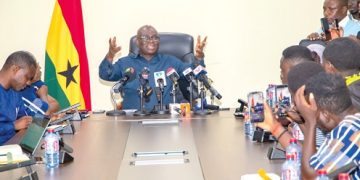
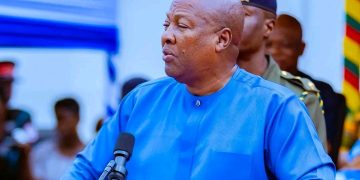
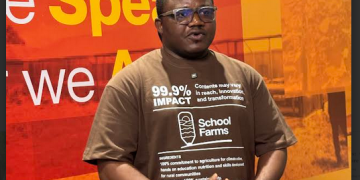
Speaking to Citi Business News, the Executive Director of the Association, Bismark Nortey, criticised what he described as a lack of transparency in the distribution of the relief items
“You see a few people colliding in their own interests as against the interests of the farmers,” he said, recalling that the Association had earlier asked government to clarify the modalities for distributing the supplies.
He explained that the Association had sought details about the quantities of relief items, the registered beneficiaries and how the distribution exercise would be carried out.
“We should be aware of the number of relief items that were coming, who were the beneficiaries that have registered, how the distribution was going to be done, how many was each person that received,” he stated.
Mr. Nortey indicated that despite the concerns raised at the time, the Association received no response from authorities.
“We made all those requests but we never had any feedback from government,” he added.
He further argued that some of the resources used for the intervention could have been invested in long-term agricultural infrastructure, including irrigation systems, to help farmers better manage future dry spells.
“We made a case that a lot of the monies that the ministry was requesting, we could actually use some of the monies to even improve our infrastructure, to put up irrigation facilities to ensure that we do not experience the impact of the dry spill again,” he said.
“But all this that was said, it didn’t amount to anything because the parties that we thought they had better ideas and this is where we are today.”
Bismark Nortey warned that failure to hold those responsible accountable would undermine confidence in government interventions aimed at supporting farmers.
“So we are extremely disappointed, we are extremely sad and I’ll be extremely worried and disappointed if those who have perpetrated this evil against our farmers are not brought to justice.”
PFAG maintains that beyond accountability, any funds retrieved should be strategically invested in irrigation facilities, storage infrastructure and other productivity-enhancing projects to help farmers increase output and reduce the need for emergency food interventions in the future.

