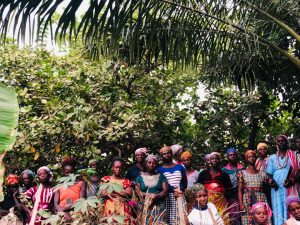


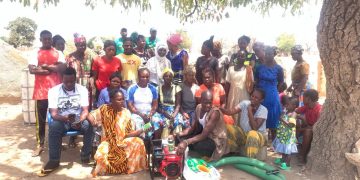

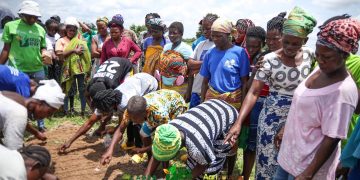
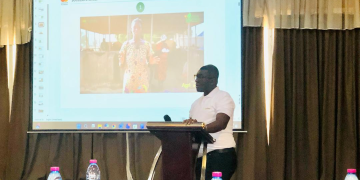
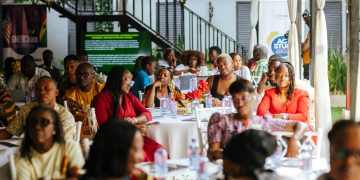












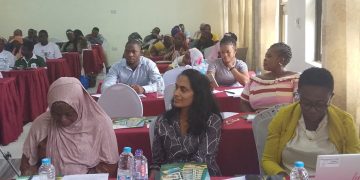






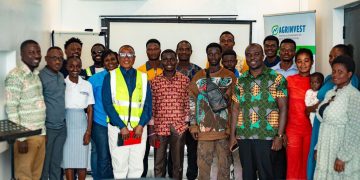

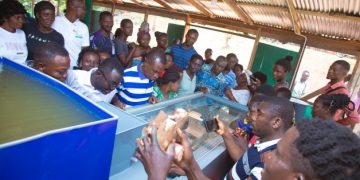






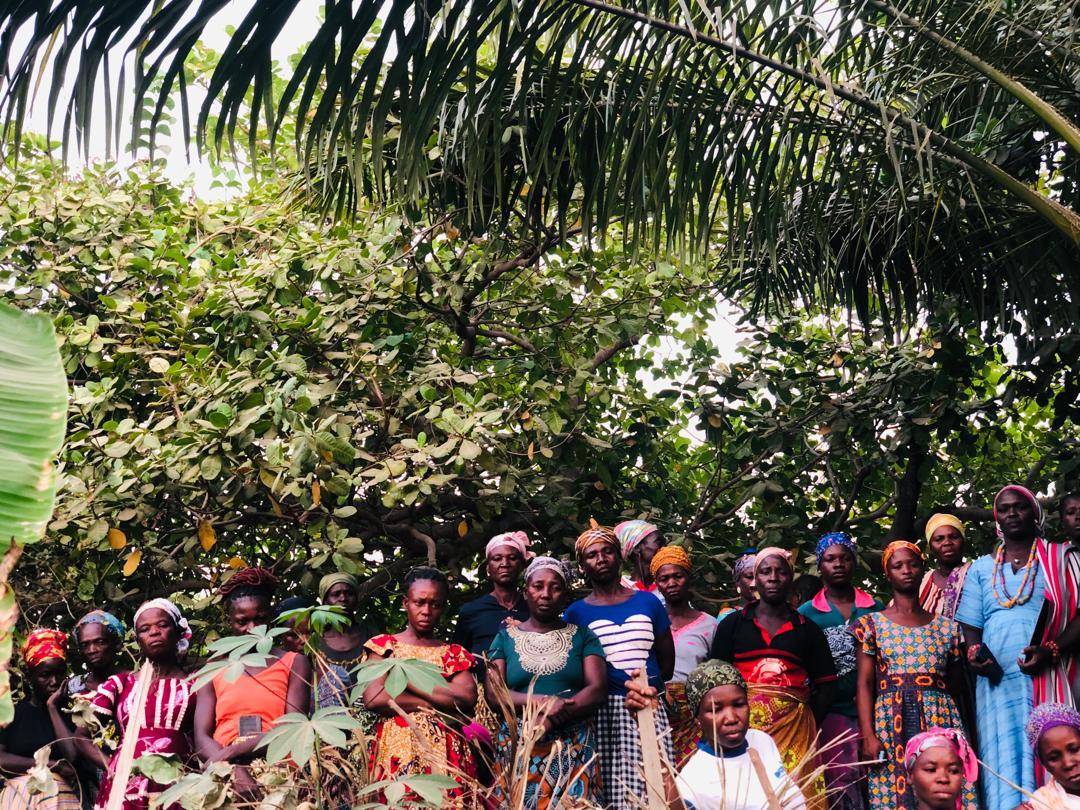
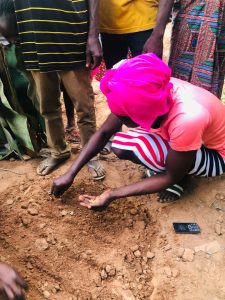
More than 100 farmers, the majority of them women, yesterday on the march 1, 2026 received intensive training in pepper production at Tojin in the North East Region under the Boost to Bloom Project.
The beneficiaries, who are predominantly year-round farmers engaged in maize, millet and cowpea cultivation, are being supported to diversify into high-demand vegetable production to improve incomes and enhance household livelihoods.
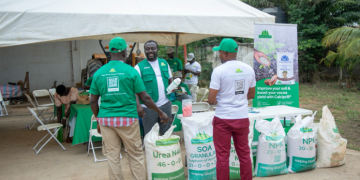
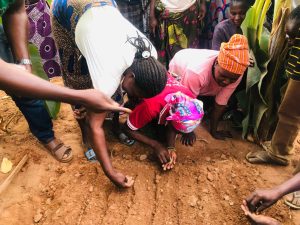
The training focused specifically on modern pepper production techniques, including nursery establishment and input management. To facilitate immediate implementation, participants were provided with starter packs comprising seed trays, improved pepper seeds and fertilizer.
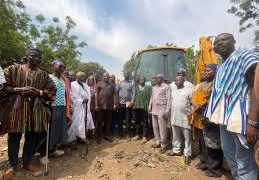
Addressing the participants, the Queen Mother of the Tojin traditional Area, Cecilia Konlan, urged them to pay serious attention to the training and ensure they were able to demonstrate the knowledge acquired.
She emphasized that practical application of the skills would be critical to achieving the intended economic benefits.
The Assemblyman for the area, honorable Archimedes also encouraged the farmers to embrace the initiative, noting that pepper production would serve as an additional source of income to complement their existing farming activities.
Optimism is surging among the project’s beneficiaries. The three-year program is being hailed as a “sustainable lifeline” that could permanently elevate the community’s financial standing.
Miss Janet Yawson, a beneficiary, told reporters that the project is more than just farming it is a game-changer for local women, promising fresh economic opportunities and higher take-home pay.
Miss Elizabeth, another energized participant, couldn’t hide her excitement. “This project has come to stay,” she declared, adding that she is “all-in” and ready to hit the ground running.
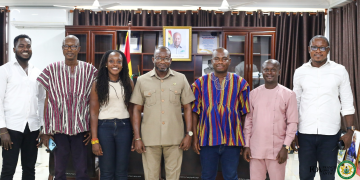
The Boost to Bloom Project is being implemented by Agrihouse Foundation with strategic funding support from AGRA and the Mastercard Foundation under the Youth Entrepreneurship for the Future of Food and Agriculture (YEFFA) Programme.
The initiative seeks to empower over 20,000 youth, women and persons with disabilities nationwide with employment opportunities in agriculture.
The Executive Director of Agrihouse Foundation, Alberta Nana Akyaa Akosa, said the project was designed to equip rural farmers with practical skills and starter inputs to enable them to participate competitively in high-value agricultural markets.
She stated that empowering women and youth in vegetable production would strengthen rural economies and contribute to national food security.