









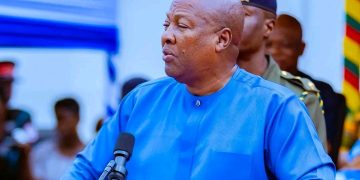


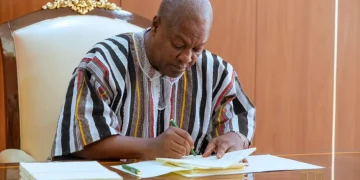
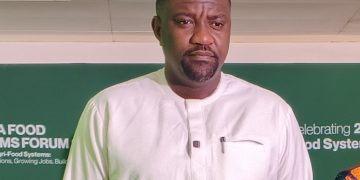



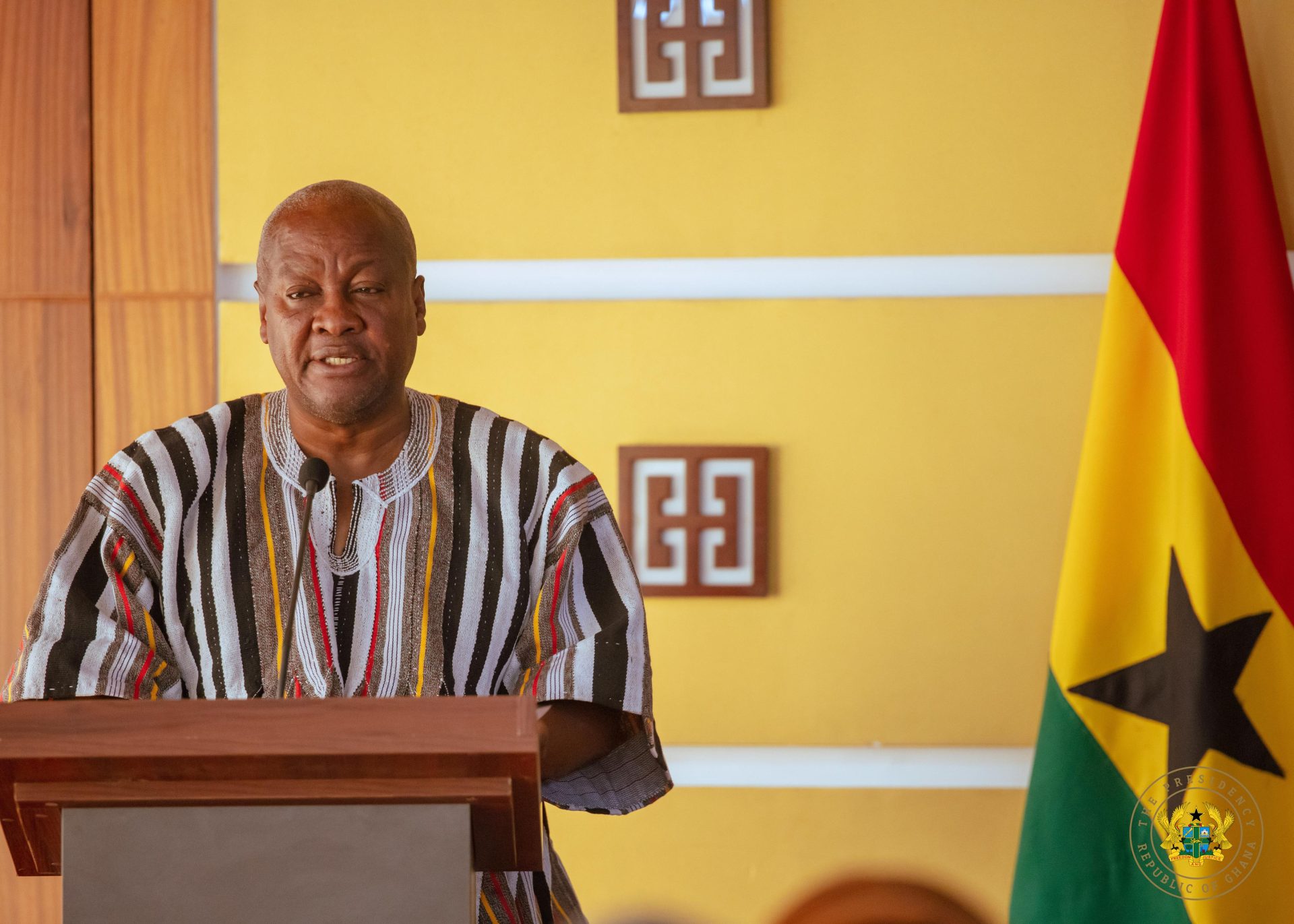
President John Dramani Mahama has stated that the government’s Agricultural for Economic Transformation Agenda is the new game changer in Ghana’s agricultural sector.
In his State of the Nation’s Address in Parliament, the president stated that, the Agriculture for Economic Transformation Agenda (AETA) will modernise agriculture, enhance agribusiness, ensure food security, lower food inflation, boost exports, and create sustainable jobs.
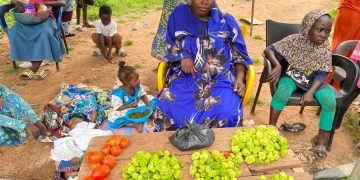
According to him, the Feed Ghana Programme will increase food production and reduce prices through projects like the Grains Development Project, focusing on rice, maize, and soybean production. The Vegetable Development Project will target crops such as tomatoes, onion, and pepper.
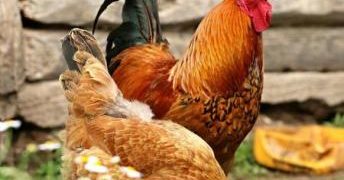
“Our poultry farm-to-table project will eliminate poultry imports and increase local production. Ghana imports 95% of its poultry needs, which costs over US$ 300 million annually. To reverse this trend, government’s plan is to revamp the poultry sector by investing in hatcheries, feed mills, processing, and distribution, working toward eliminating poultry imports.”
The President emphasized that the Nkoko nkitinkiti project will cover fifty-five thousand (55,000) households producing eggs and fresh poultry for the market and help reduce the $300 million dollars we spend on importing chicken annually.
The president added that to strengthen the connection between agriculture and industry, the government will prioritise value addition, processing, and distribution. This will position agriculture as a profitable and appealing activity, making it more attractive to young people.
“We will implement an AgriNext Programme to facilitate access to land banks by young farmers, connect graduates with opportunities in the agricultural value chain, and promote greenhouse agriculture among the youth. This initiative will benefit approximately 30,000 young people.”
“Mr Speaker, the Livestock Development Project will address Ghana’s reliance on imported meat by restocking breeder farms and increasing local livestock production, creating jobs and boosting self-sufficiency.”
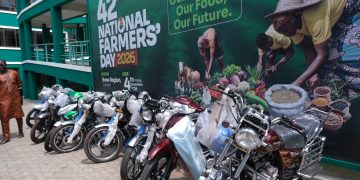
The president asserted that, for years, access to mechanisation, quality seeds, fertilisers, and extension services has been a major challenge for farmers. To address this, government will establish Farmer Service Centres in every agricultural district, ensuring farmers receive essential resources to improve productivity and efficiency.

