
















































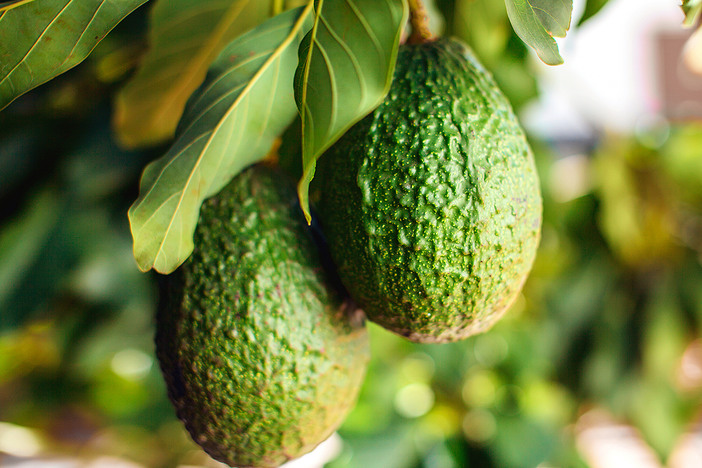
According to the Agriculture and Food Authority, export volumes are expected to rise from 112,000 tons in 2025 to 140,000 tons in the current fiscal year. The Hass variety remains the main export cultivar due to shelf life and oil content characteristics. Regulatory measures under the Crops (Horticultural Crops) Regulations have also supported quality control and reduced interceptions in the European Union linked to pests such as False Codling Moth.
Market access developments have supported export growth. The Chinese market, opened in 2022, has scaled in 2026, while trade agreements with India have reduced tariff barriers. Exporters are investing in cold chain infrastructure, with packhouses established in Murang’a and Kiambu to support shipments to Asian markets.
Smallholder farmers account for around 70% of production, with more than 150,000 growers involved, particularly in Central and Eastern regions. The Netherlands, the United Arab Emirates, and China are the main export markets.
The sector faces production challenges linked to climate conditions. Variability in rainfall is affecting fruit sizing, while water use for avocado production has raised concerns in areas such as Kandara and Thika. The Ministry of Agriculture has introduced a program encouraging drip irrigation and rainwater harvesting.
Value addition is also being developed. Some companies are processing avocado oil for pharmaceutical and cosmetic use, with oil prices reaching up to four times the value of fresh fruit. The government is offering tax incentives for companies establishing processing facilities in Special Economic Zones.
The 2026 season is expected to maintain avocado as a key export crop within Kenya’s horticulture sector.
Source: Streamline

