






























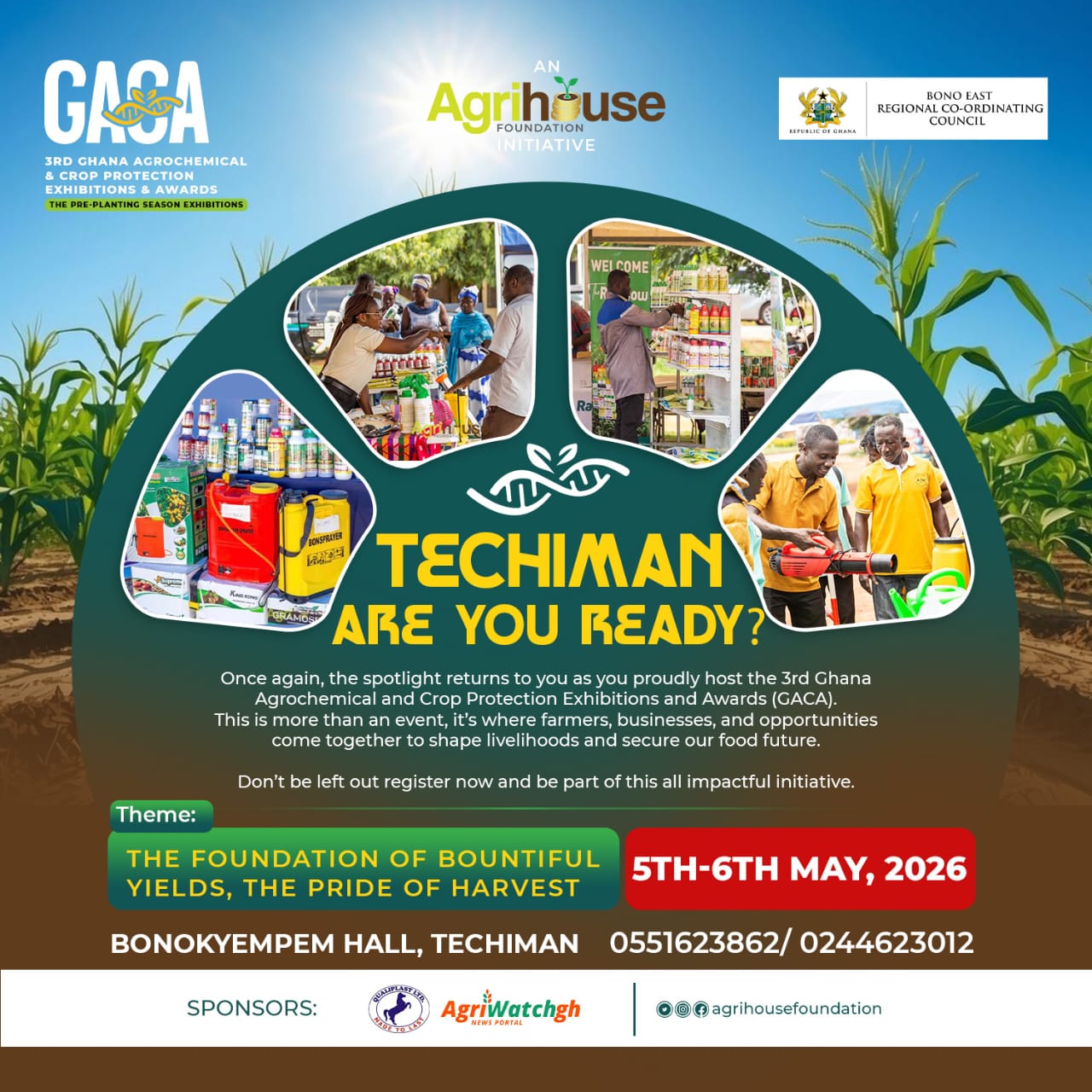
The 3rd edition of the Ghana Agrochemical and Crop Protection Exhibitions and Awards (GACA) is set to take place from May 5 to 6, 2026, at the Bonokyempem Hall in Techiman.
The pre-planting interventional initiative , organised by Agrihouse Foundation in collaboration with the Bono East Regional Coordinating Council, forms part of sustained efforts to boost agricultural productivity, enhance farmers’ access to quality inputs, and promote sustainable farming practices across Ghana.
In a statement, the Executive Chair of Agrihouse Foundation, Alberta Nana Akyaa Akosa, described the Ghana Agrochemical and Crop Protection Exhibitions and Awards (GACA), as a strategic and impactful platform that continues to bridge the gap between farmers and input suppliers, while facilitating knowledge transfer and improving productivity within the agricultural sector.
She highlighted that the previous two editions successfully convened key stakeholders, including fertiliser companies, seed producers, irrigation service providers, and farmers ,creating meaningful engagement and driving agricultural development, particularly within the Bono East Region.
According to her, the 3rd edition will place a stronger emphasis on practical farmer engagement, targeted knowledge sharing, and improved access to certified agricultural inputs. She noted that the programme is designed to strengthen linkages across the agricultural value chain while providing a more interactive and solution-driven platform for farmers, input dealers, and service providers.
She further indicated that the event will deepen technical learning through farmer-centred training sessions, expand market access opportunities, and showcase innovative solutions aimed at increasing productivity and ensuring long-term sustainability within farming communities.
The Bono East Regional Minister, Francis Owusu Antwi, also underscored the importance of the event, noting that it continues to position the Bono East Region as a growing hub for agricultural innovation and stakeholder collaboration. He added that the initiative contributes significantly to national efforts to enhance food security and build resilient food systems.
He further emphasised the critical role of sustained sponsorship and investment in scaling up the impact of the initiative. According to him, increased support will enable organisers to reach a wider network of farmers, expand training and capacity-building programmes, and deepen practical interventions that drive improved agricultural outcomes. He added that such backing is essential to sustaining and enhancing the innovative activities that define the event each year.
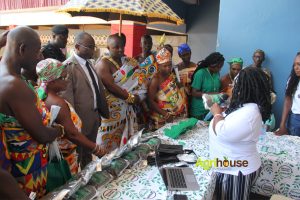
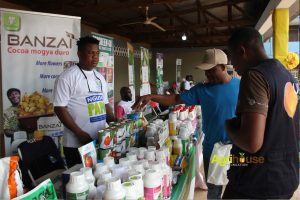
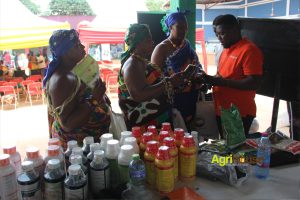
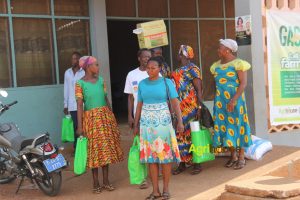
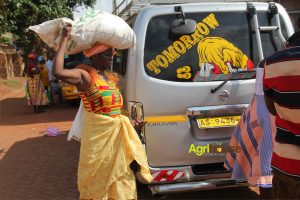
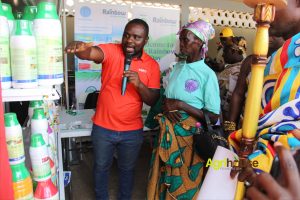
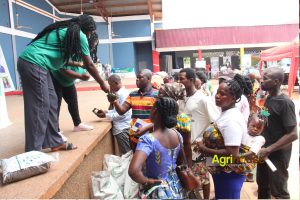
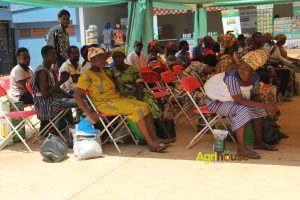
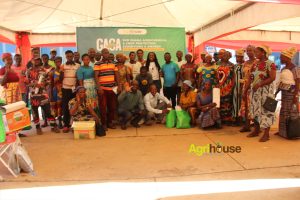
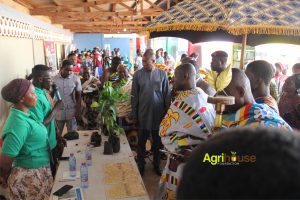
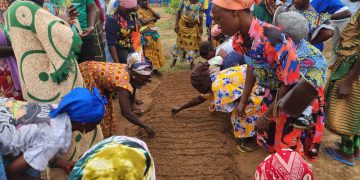
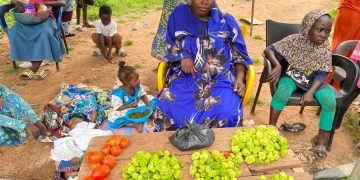
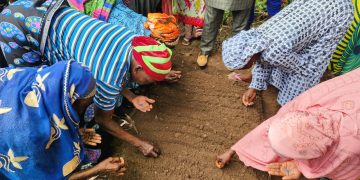
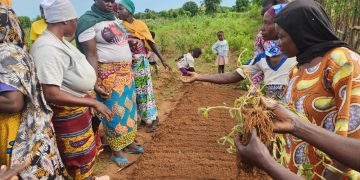
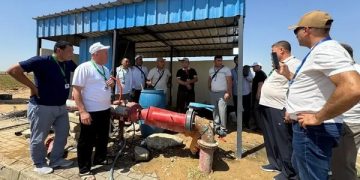
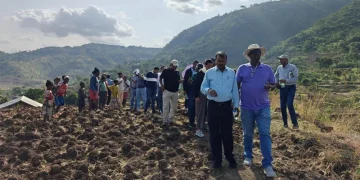
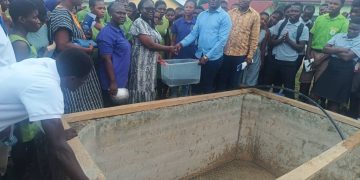
Picture Gallery from Last Year