

















































Expectations are mounting across Ghana’s private sector for another cut in the policy rate by the Bank of Ghana, as inflation continues its steady decline.
Latest figures from the Ghana Statistical Service (GSS) show headline inflation falling to 3.3 percent in February 2026, the lowest since August 1999, reinforcing optimism among businesses that monetary easing will persist.
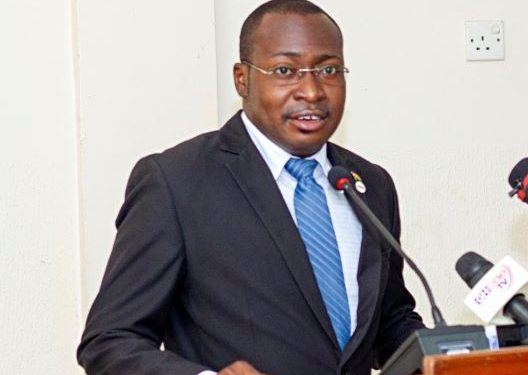
Speaking to the media, the Greater Accra Regional Chairman of the Association of Ghana Industries (AGI), Tsonam Akpeloo, said the disinflation trend gives the central bank room to relax policy further.
“We are expecting that the policy rates will go further down because, if you observe, the inflation rates continue to go down. I think as of today we are about 3.3 percent year-on-year inflation. And mind you, the policy rate is mainly inflation targeting,” Mr. Akpeloo noted, underscoring that the central bank’s mandate is anchored in price stability.
“So our hope is once inflation is going down, the central bank should consider to continue to reduce the policy rate further. As I mentioned earlier on, our overall target is to ensure that our SMEs, our businesses, are able to follow with a single lending rate. That way it’s easier for us to compete,” he added.
“We are hoping that when the committee meets, they will make a decision in favor of further reduction in the policy rate.”
Business confidence in easing comes after the Bank of Ghana kicked off 2026 with another significant monetary policy move: in January, the Monetary Policy Committee cut the policy rate by 250 basis points from 18% to 15.5%, the lowest level in four years, in response to persistent disinflation and strengthening macroeconomic indicators.
The move marked the fourth consecutive reduction in the policy rate and was widely welcomed by markets and industry groups, who view lower borrowing costs as critical for credit growth and economic activity.
However, the optimism is tempered by external risks. Rising geopolitical tensions in the Middle East and volatile global commodity prices could rekindle inflationary pressures, potentially complicating the Bank of Ghana’s deliberations ahead of its March Monetary Policy Committee meeting.
While domestic inflation and lending benchmarks like the Ghana Reference Rate have trended sharply lower with recent data pointing to further declines in commercial lending benchmarks, policymakers will be watching global developments closely as they balance growth with price stability

