















































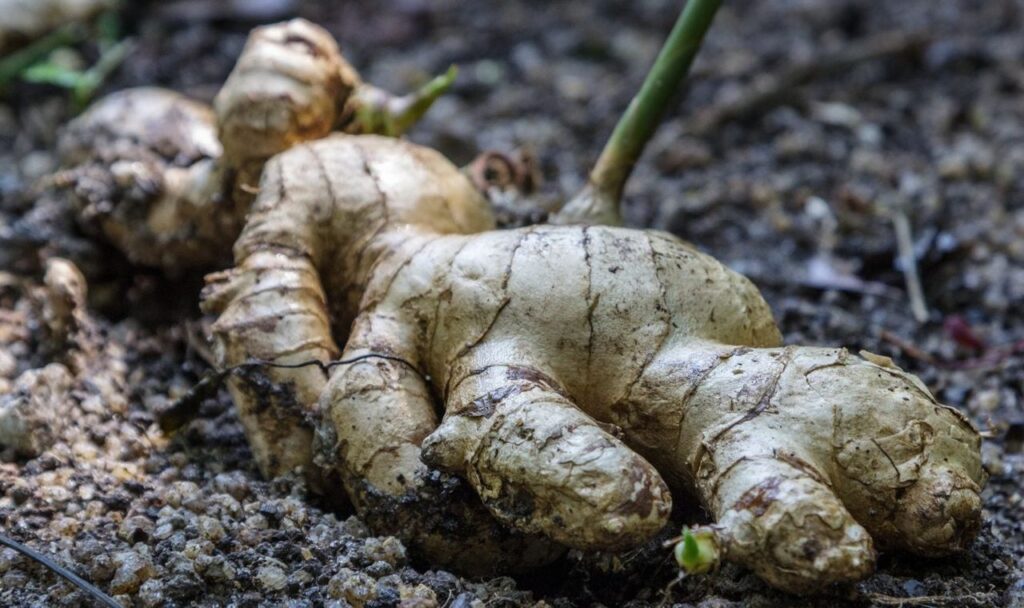
As Ghana celebrates its local cuisine this March, many households and food vendors are grappling with an unexpected sharp rise in the price of ginger, a key ingredient in many traditional meals and beverages.
Ginger is widely used in Ghanaian kitchens for preparing soups, stews, marinades and popular beverages such as sobolo and lamugin (millet ginger drink).
During the month of March, often referred to as “Ghana Month” or “Heritage Month”, many households and restaurants intentionally promote local dishes and traditional drinks, increasing the demand for ingredients like ginger.
However, the rising cost is forcing some food vendors to reconsider how much ginger they use, while others resort to processed ginger.
At Nungua market, traders say the price of ginger has increased significantly in recent weeks, making it difficult for customers to buy even small quantities.
What used to sell easily for GHC 5 is now being sold at GHC 10, making it impossible to buy ginger worth GHC 5, while GHC 50 worth of ginger was previously sold between GHC 20 and GHC 25.
Madam Akweley Amankwah, a ginger seller, said the challenge had been there over a year now, stating that it was very scarce getting ginger to buy and sell, and saying, “People come asking for ginger worth GHC 5 like before, but the price has gone up so much that I cannot sell that amount anymore.”
She added that although some customers become surprised when they hear the new price, it was circumstances beyond her control, as it was very difficult to purchase, and therefore appealed to the government to invest in ginger farming.
Other market traders attributed the price increase to the increment in the production of local bitters, as most of the bitters contain ginger.
Mrs Janet Sits Lartey, a sobolo vendor who prepares the drink with ginger, said the price increase was affecting her small business, saying, “Ginger gives the drink its strong taste, but now I have to use a smaller quantity because the cost is high, and if I increase the price of the drink, some customers will stop buying.”
Some shoppers say they are reducing the amount of ginger used in cooking and substituting it with already processed ones.
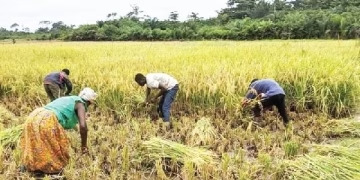
Mr George Otumfuor, a farmer based in Ada, indicated that some farmers in the area were beginning to reconsider the types of foodstuffs they cultivate to improve their profit margins.
Mr Otumfuor explained that although certain agricultural products remain in high demand on the market, the profits earned by farmers are often significantly low due to high production costs and the influence of intermediaries within the supply chain.
He said several farmers were now exploring alternative crops and farming activities that offer more stable and rewarding income opportunities, which could also be one of the reasons for the high price of ginger.
By Elizabeth Larkwor Baah, GNA

