





















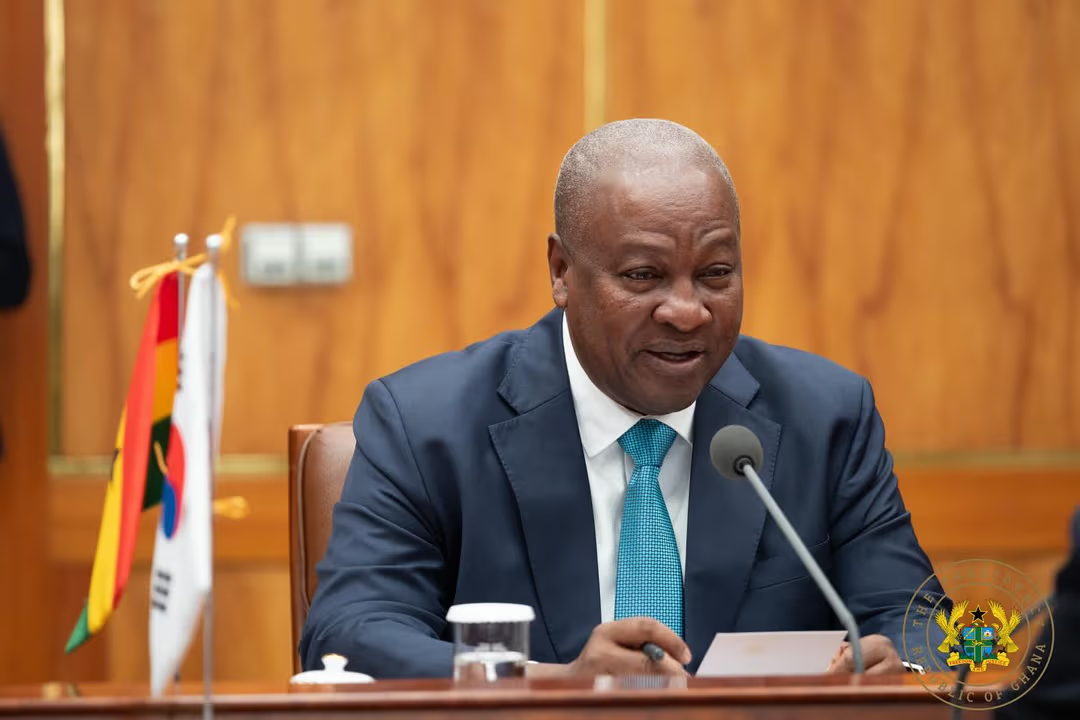
President John Dramani Mahama has signaled a major policy shift in Ghana’s cocoa sector, with renewed emphasis on local processing to reduce the country’s long-standing dependence on raw bean exports and cushion farmers against global price volatility.
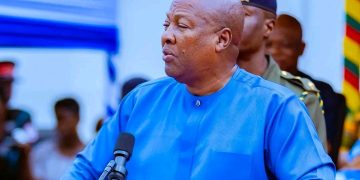
Speaking to the Ghanaian community in Philadelphia on Thursday, March 26, 2026, the President described the recent سقوط in international cocoa prices as a critical turning point for the industry. The price downturn has already forced a reduction in Ghana’s producer price from GH¢3,625 to GH¢2,587 per bag, sparking concern among farmers.
According to President Mahama, the current situation underscores the risks of Ghana’s continued reliance on exporting unprocessed cocoa beans—nearly seven decades after independence.
“It is because for almost seventy years after we gained independence, we’re still exporting raw beans to the world… what has happened in the international market should be a wake-up call for us,” he stated.
As part of reforms, the government is also restructuring how cocoa purchases are financed. Traditionally, Ghana has relied on international traders who pre-finance cocoa purchases, using the beans as collateral. However, the President revealed that a new approach will prioritize domestic financing.
Under this model, Ghana will mobilize its own resources to purchase cocoa directly from farmers, giving the country greater control over pricing, processing, and export decisions.
“Now, we say we are going to raise the money ourselves and buy our own cocoa… if we raise our money and buy our cocoa, it is not collateral to anybody, and so we can decide what to do with it,” he explained.
A key pillar of the strategy is to channel a significant portion of cocoa production into local processing. By doing so, the government aims to boost value addition, increase export earnings, and create jobs within the country.
“We are saying that we are going to allocate the bulk of our cocoa to local processors to process that cocoa before we export it,” the President added.
The proposed reforms mark a decisive effort to reposition Ghana’s cocoa sector for long-term sustainability, with a stronger focus on value retention, farmer protection, and economic resilience in the face of global market shocks.

