































In Lawra, in Ghana’s Upper West Region, market days often end with a familiar local tradition: koose served with vegetables. It is a simple meal, but for a group of young innovators, one ordinary market-day experience would eventually spark an idea with the potential to change how farmers protect their crops.
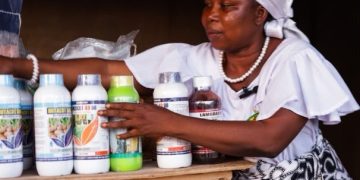
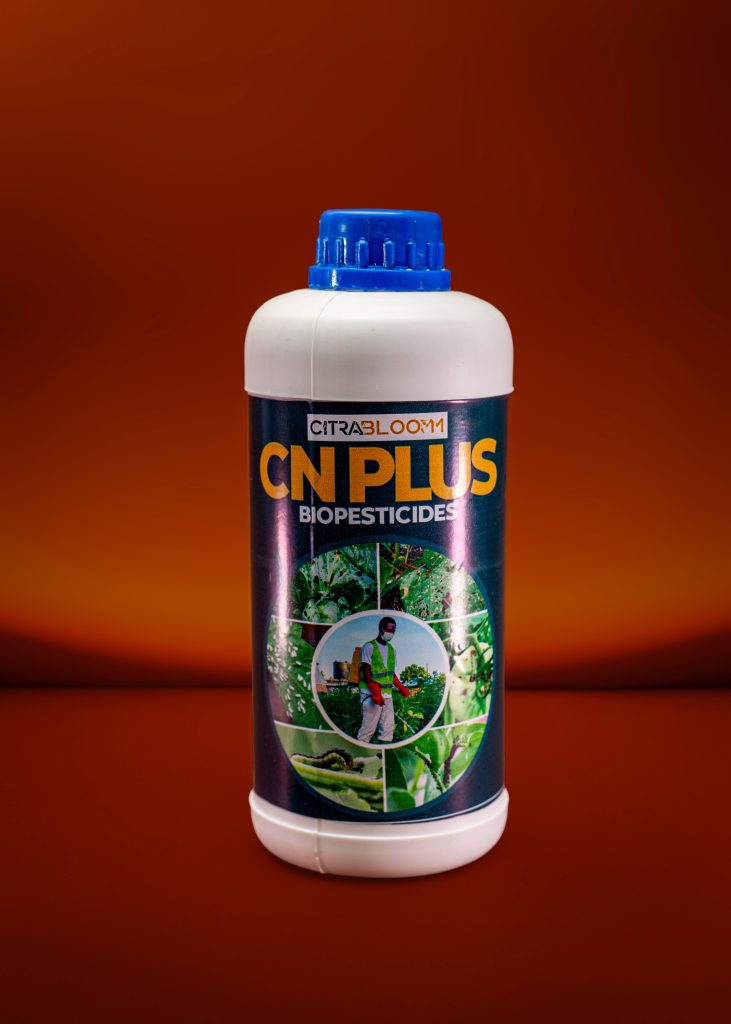
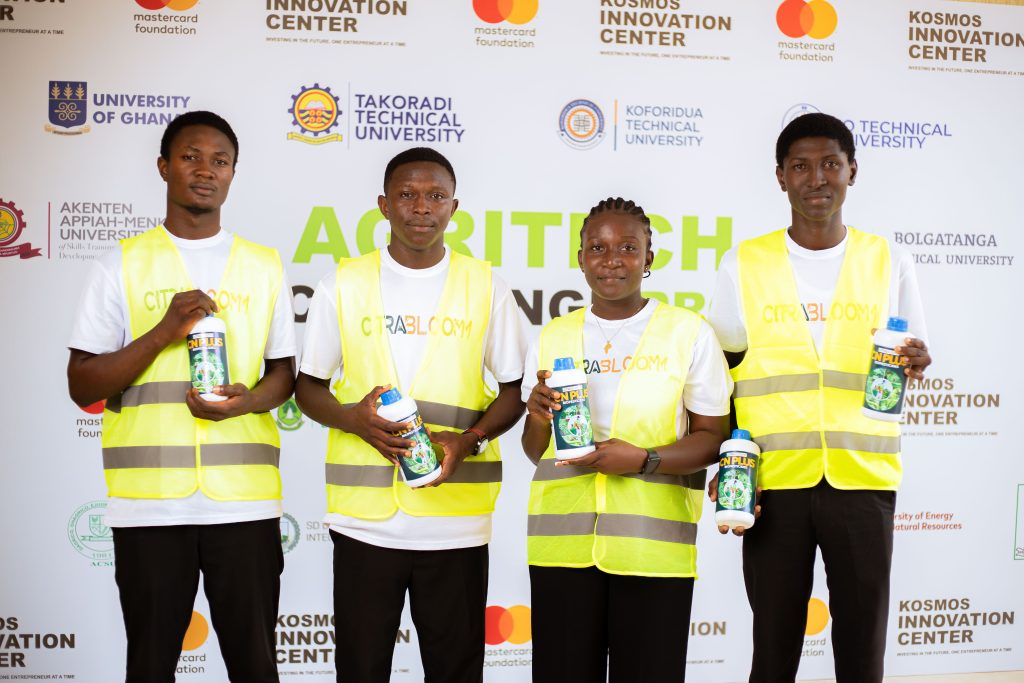
CitraBloomm, a sustainable agribusiness based in Lawra, produces CN Plus, a biopesticide made primarily from agricultural waste, particularly orange peels, and neem seeds. The business is exploring how locally available resources can be transformed into safer and more sustainable agricultural inputs while creating economic opportunities for communities.
But the story of CitraBloomm did not begin in a laboratory or a boardroom. It began with a farmer struggling with pests.
A problem hiding in plain sight
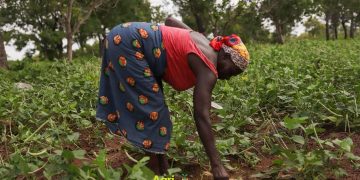
The idea emerged after a conversation with a local vegetable farmer who cultivated cabbage and other vegetables. On one occasion, when he brought vegetables that would normally have been shared with friends, he explained that pests had severely affected his crops.
There were already pesticides available on the market. So why wasn’t he using them?
His answer raised a bigger question.
The farmer explained that conventional chemicals had not been providing the results he needed. Farmers were increasingly mixing different products in an attempt to control persistent pests, adding to their production costs.
For Yuori Ernest Yirsob, co-founder/CEO of CitraBloomm, who at the time had a background in healthcare, the situation raised another concern: if farmers were mixing multiple chemical products to protect food crops, what could that mean for the people working in the fields, consumers, and the wider environment?
Ernest began discussing the idea with his two colleagues and co-founders, Doozie Ludger and Zaagbeb Fidelis. Together, they began exploring whether there could be a safer and more locally accessible way for farmers to protect their crops.
The question became simple:
Could there be a safer and more locally accessible way for farmers to protect their crops?
That question became the starting point for CitraBloomm.
Looking within the community for the solution
The team, led by Ernest, began researching materials that were readily available within the municipality and could potentially be used to develop an alternative crop-protection product.
Two materials stood out: neem and orange peels.
Neem had long been recognised by farmers for its pesticidal properties, while orange peels were often treated as waste. In many communities, dried orange peels were traditionally burned for their ability to repel mosquitoes.
What if these locally available resources could be brought together to create something useful for farmers?
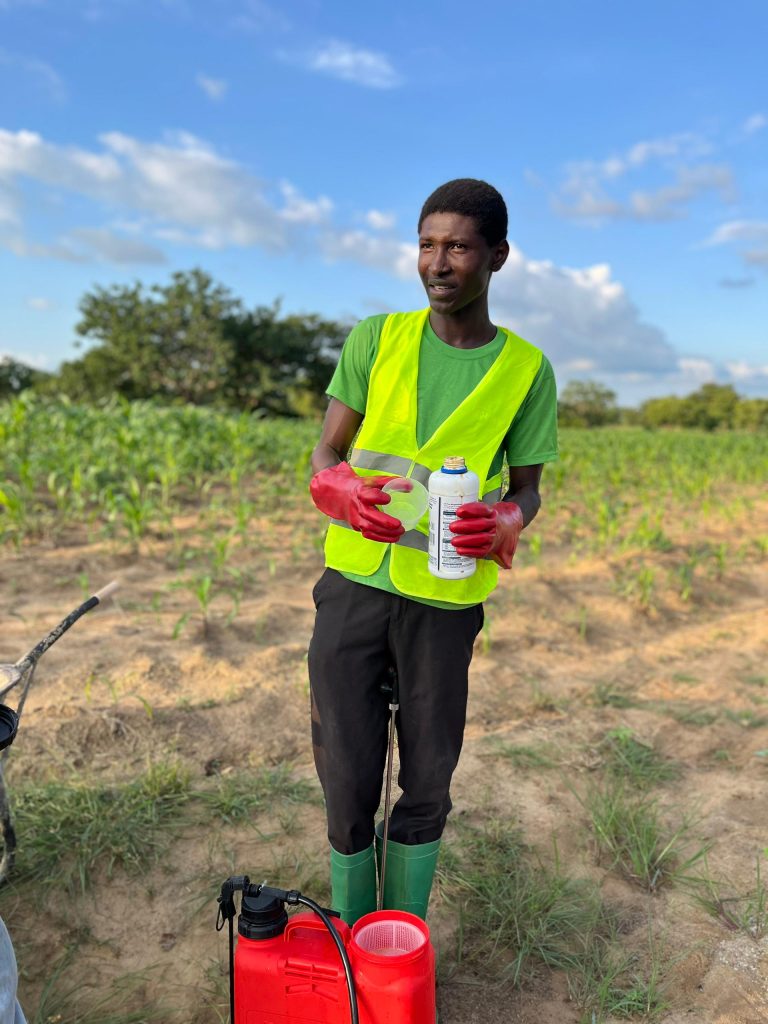
The team developed an initial formulation and began testing it with farmers. Rather than treating the first formulation as a finished product, they used farmer feedback to improve it.
This farmer-centred approach became an important part of CitraBloomm’s development: developing a product with farmers, rather than simply developing a product for farmers.
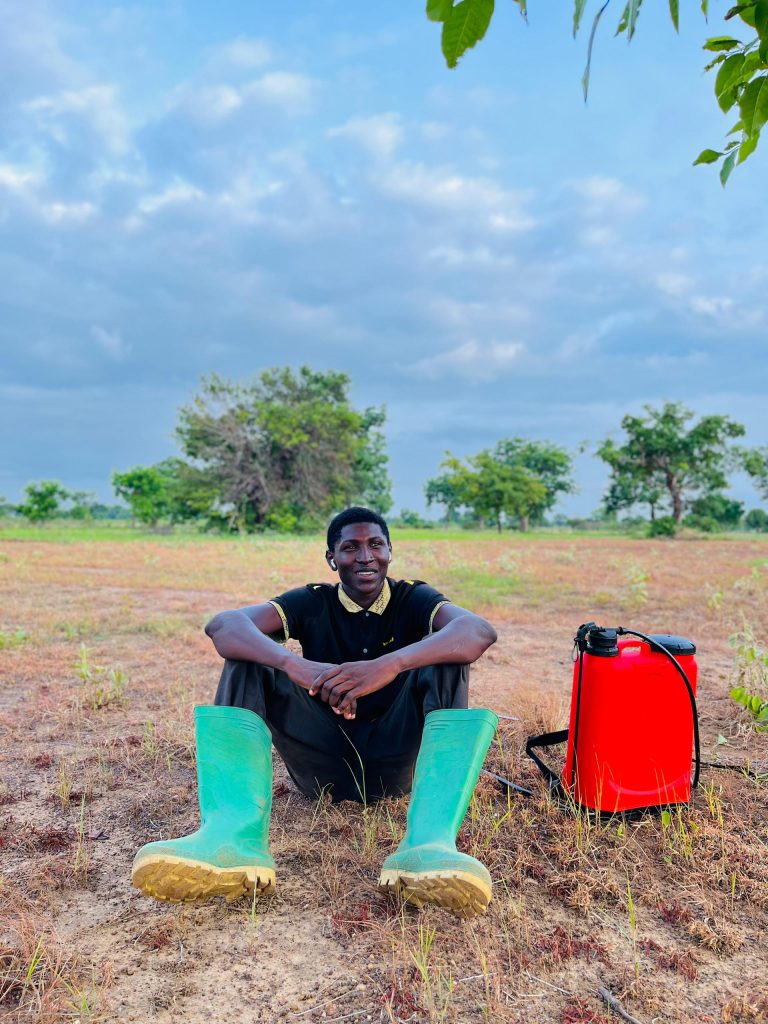
The result was CN Plus; a biopesticide produced from locally sourced materials including orange peels and neem seeds.
Turning an idea into a business
Developing a promising formulation was only the beginning.
The team soon encountered one of the most common challenges facing early-stage businesses: capital.
They needed production equipment, packaging materials, raw materials, a suitable workspace and funds to formally establish the business.
The founders initially relied on their own contributions to register the business and purchase the materials required to begin production.
Then came an opportunity that would change the trajectory of CitraBloomm.
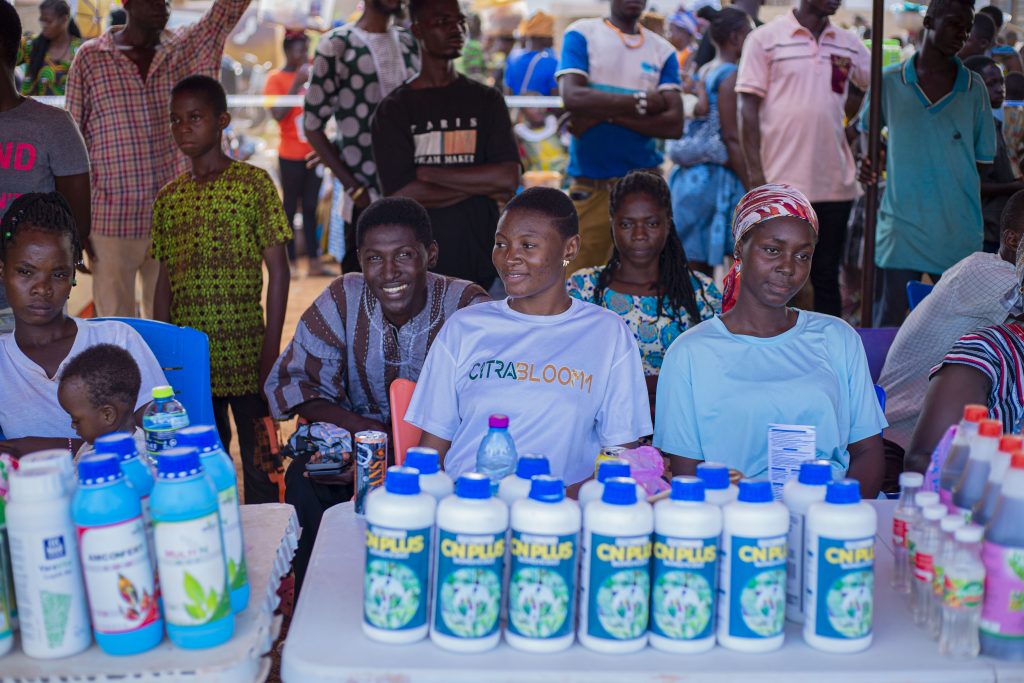
The team applied to the Kosmos Innovation Center AgriTech Challenge Pro, progressed through the selection process and was eventually selected to participate.
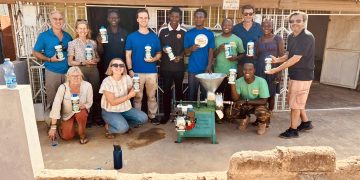
The programme provided CitraBloomm with US$2,000 in pre-seed funding. That support enabled the team to acquire essential production equipment, rent a production space and conduct additional field trials with farmers.
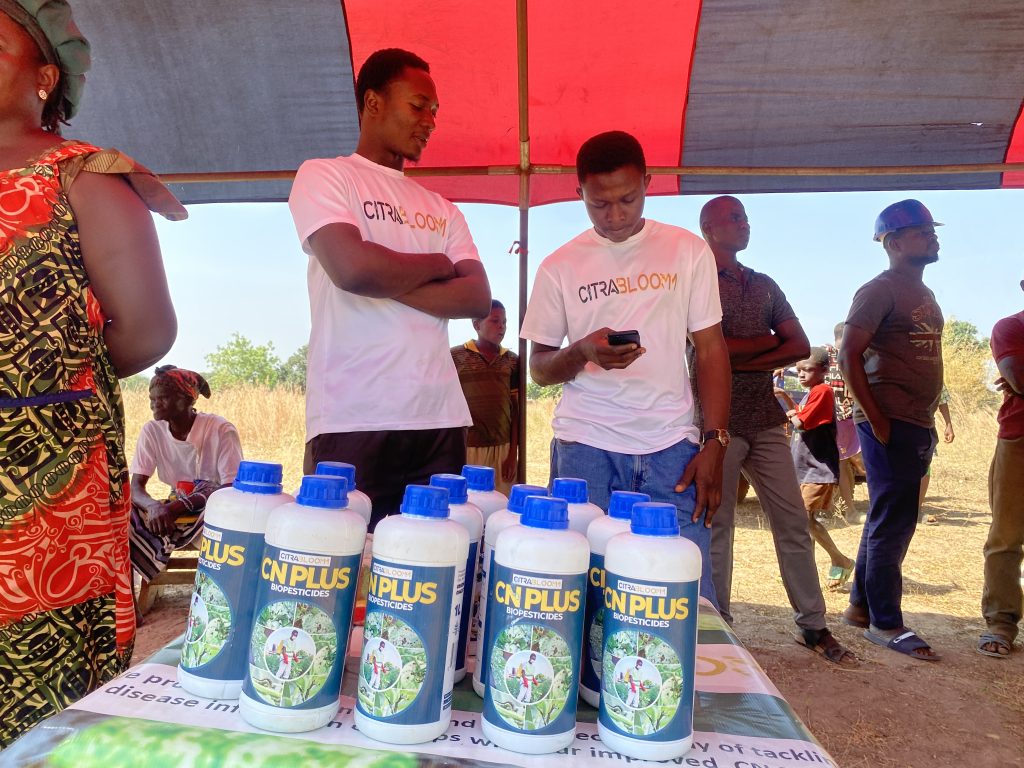
With this support, CitraBloomm launched CN Plus in May 2025.
For a young business operating from one of Ghana’s less industrialised regions, getting a product from an idea to the market represented a significant milestone.
But the journey was far from over.
Growing through partnerships
As CitraBloomm began building its operations, another partnership became instrumental to its growth.
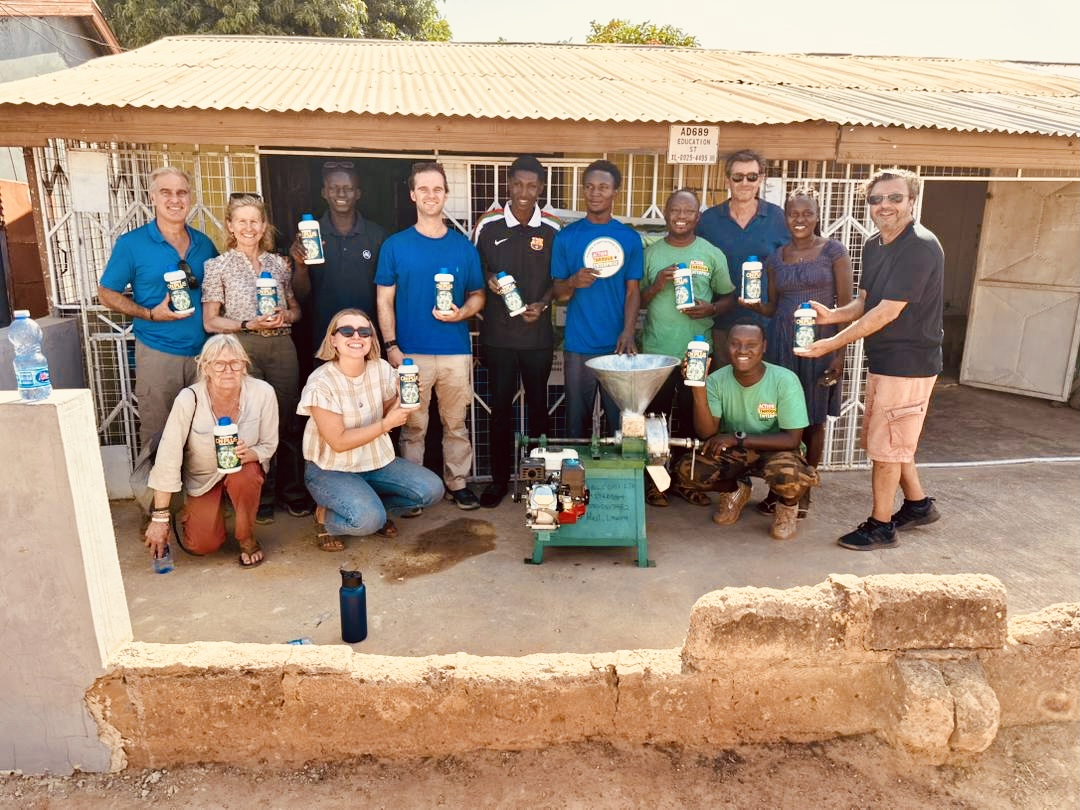
The business was selected as a beneficiary of Action Through Enterprise (ATE), an organisation working in Lawra and Nandom to reduce poverty and create opportunities for communities.
ATE’s programmes span areas including school feeding, support for persons living with disabilities, farmer support, vocational training for young people and support for small and growing businesses.
Through ATE’s support, CitraBloomm acquired additional equipment, including a grinder and blender, and increased its access to raw materials.
But one aspect of the partnership became particularly meaningful.
Orange peels could be sourced from market women, turning a commonly discarded material into a valuable input for production. Meanwhile, the company began working with mothers of children living with disabilities to collect neem seeds for a fee.
For these women, caring responsibilities can make it difficult to access conventional employment opportunities. Through the arrangement, CitraBloomm is creating a modest but meaningful income opportunity that fits within their circumstances.
It is an example of the kind of impact that can emerge when sustainability is viewed beyond the environment.
The same business activity can reduce agricultural waste, create livelihoods and contribute to local economic development.
The next challenge: Regulation and scale
Growth, however, brought a new challenge: regulatory compliance.
For CitraBloomm to expand its market, the company needs to secure the relevant regulatory approvals and certifications for its product. This requires, among other things, an appropriate production facility that meets the necessary requirements.
For a young enterprise, meeting these requirements requires significant financial resources.
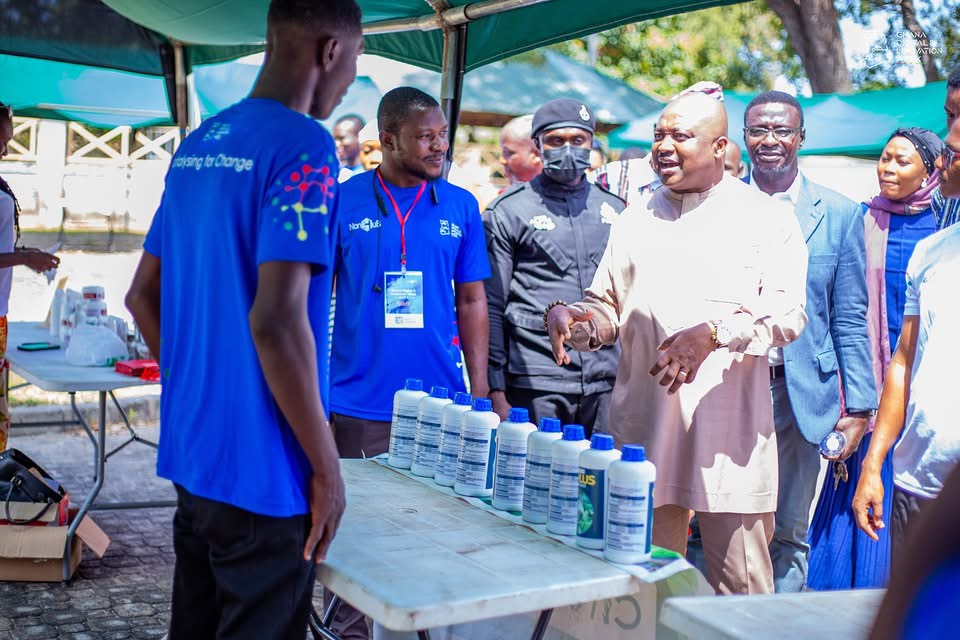
The team began working to secure a suitable production site and received support from the Department of Agriculture in the Lawra Municipality, which helped the business secure a site for its operations.
The Department of Agriculture has remained an important partner throughout CitraBloomm’s journey, providing support and guidance as the business works to strengthen its operations.
With a suitable site now secured, CitraBloomm is closer to completing the regulatory processes required to operate at a larger scale.
For the company, regulatory approval is more than a compliance requirement. It is a gateway to opportunity.
It would allow CitraBloomm to expand into new markets, engage agricultural input dealers and distributors, and reach more farmers beyond its current customer base.
From a local idea to a scalable opportunity
CitraBloomm’s journey received another significant boost when the business won a grant through Coalition for Positive Impact’s Igniting Dreams programme, implemented in partnership with the Mastercard Foundation.
The grant will support the renovation of CitraBloomm’s production facility and help the business secure the necessary permits and regulatory approvals.
The support comes at an important stage in the company’s development.
CitraBloomm has moved beyond the question of whether its idea could work. It is now focused on building the systems, infrastructure and regulatory foundation required to scale.
Its ambitions extend beyond simply selling more bottles of biopesticide.
The company sees an opportunity to build a circular agricultural model around resources that are already available within local communities. Orange peels that might otherwise become waste can become an input. Neem seeds can create income opportunities. Farmers can gain access to locally produced crop-protection solutions. And a growing enterprise can create jobs and stimulate economic activity in the Upper West Region.
What comes next?
CitraBloomm’s story is still being written.
The business has come a long way from a conversation about a farmer struggling with pests. It has moved through product development, farmer testing, fundraising, equipment acquisition, field trials and market entry.
At the heart of that journey are its three co-founders, Yuori Ernest Yirsob, Doozie Ludger and Zaagbeb Fidelis, who have worked together to move CitraBloomm from an idea born out of a local farming challenge toward a growing sustainable agribusiness.
It has also experienced the realities that come with building an agribusiness in a developing market: limited access to capital, the cost of regulatory compliance, the need for production infrastructure and the challenge of reaching customers at scale.
Yet, each challenge has also revealed the importance of partnerships.
From the early support of the Kosmos Innovation Center to the mentorship and funding from Action Through Enterprise, the technical and institutional support of the Lawra Municipal Department of Agriculture, and the recent backing from Coalition for Positive Impact and the Mastercard Foundation, CitraBloomm’s growth demonstrates what can happen when local entrepreneurs are given the opportunity and resources to turn community problems into businesses.
The company is now looking ahead to its next phase: completing regulatory approvals, strengthening production, expanding distribution and reaching more farmers.
As CitraBloomm takes these next steps, it is also opening its doors to new partners, investors, distributors, agricultural input dealers and organisations interested in supporting sustainable agriculture and inclusive economic development in Ghana.
The opportunity is not simply to invest in a biopesticide company.
It is an opportunity to invest in a model that connects agriculture, sustainability, waste reduction and livelihoods using resources that communities already have to create value for the communities that need it most.
From discarded orange peels and neem seeds to a growing agricultural enterprise, CitraBloomm’s journey is a reminder that some of the most promising solutions to local challenges can begin with simply asking a different question.
What if the resources we already have could become part of the solution?

