


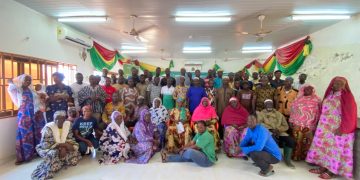
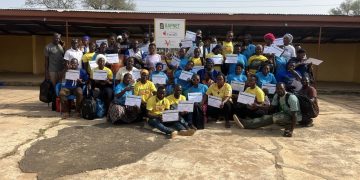


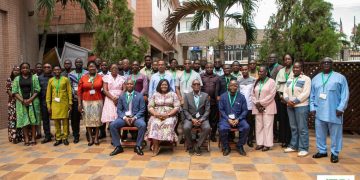












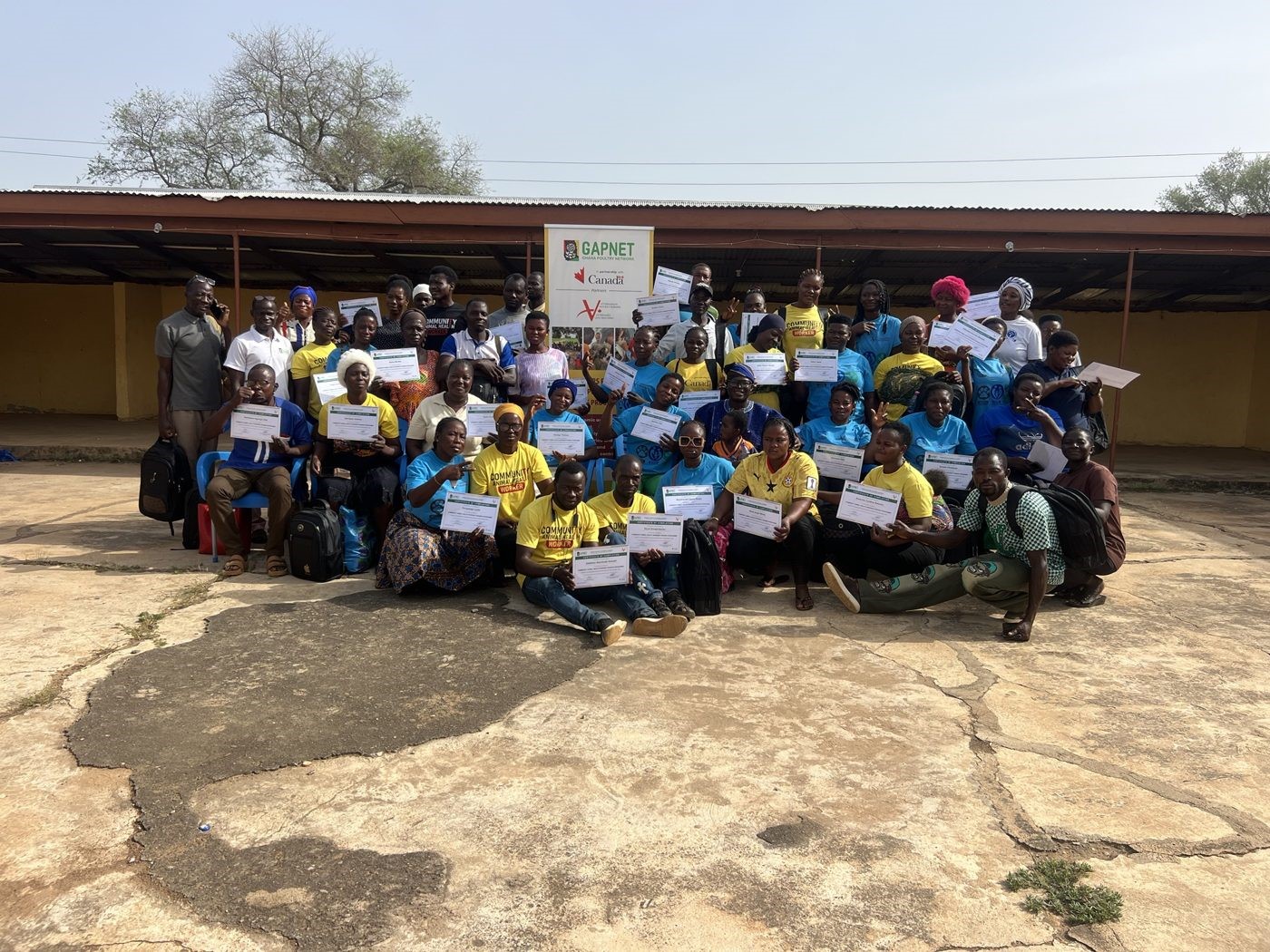
SIRIGU, Upper East Region – Community Animal Health Workers (CAHWs) in Sirigu have completed an intensive refresher training programme designed to strengthen animal health service delivery, promote gender equality in livestock farming, and build entrepreneurial skills in rural communities.
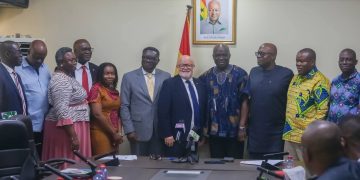
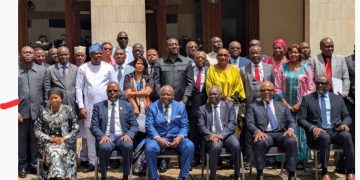
The 10-day training was held from 12th to 23rd October 2026 and was facilitated by Prof. Jacob Alhassan Hamidu, a lecturer at the Kwame Nkrumah University of Science and Technology (KNUST) and a volunteer for VWB. He was assisted by Dr. Francis Darfo of the Ghana Poultry Network (GAPNET) and Mr. Ephrem Eibinse Akunzule. The programme was supervised by Dr Anthony Akunzule, Chief Executive Officer of GAPNET; Mrs Gloria Essel, GAPNET Programme Manager; and Mrs Christine Yakubu, VWB Country Coordinator in Ghana. It was made possible by financial support from Veterinarians Without Borders (VWB), North America, headquartered in Canada.
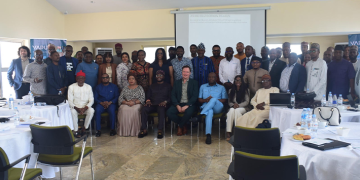
The refresher course equipped 48 participants, including CAHWs and staff of partner organisations, with practical skills in livestock and poultry health management. Participants were trained to identify and treat priority diseases, including Newcastle Disease, Pest des Petits Ruminants (PPR), African Swine Fever and Foot rot Disease.
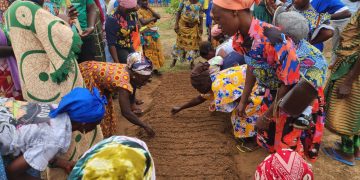
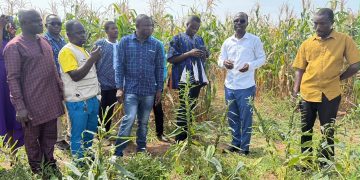
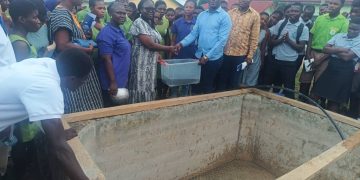
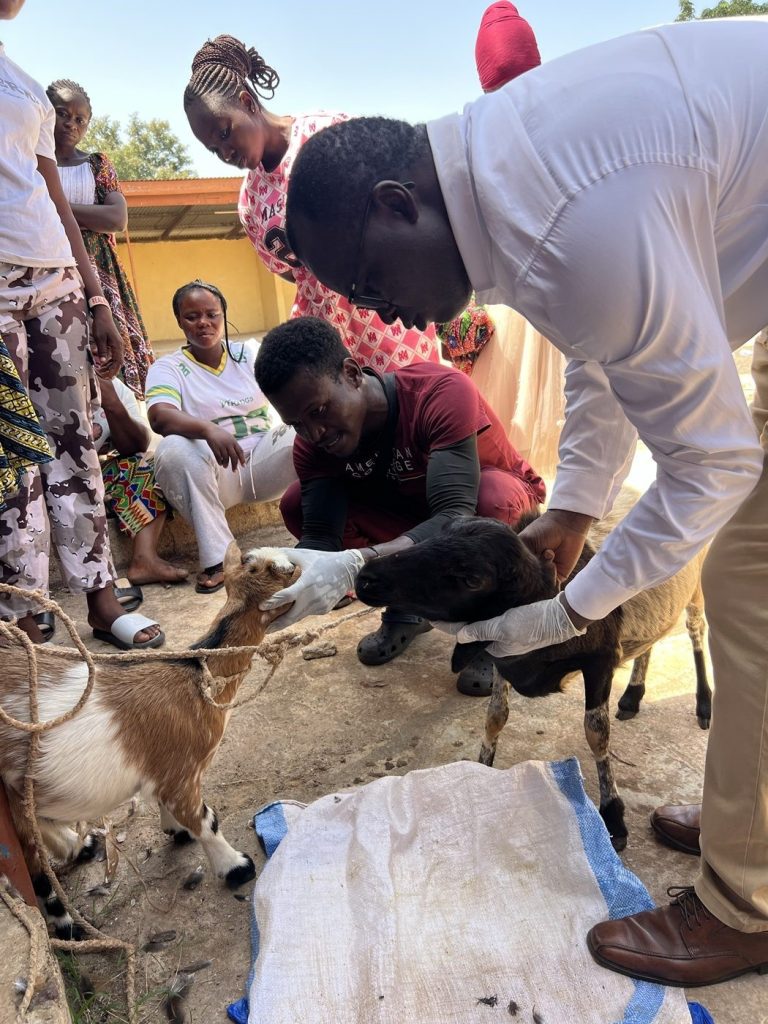
They also received hands-on instruction in biosecurity protocols, vaccine administration, deworming, acaricide application, mites for mange control, feed formulation and animal restraint for treatment. Field visits allowed participants to assess biosecurity compliance on farms and to practise physical examination on live animals.
Gender integration at the core
A significant part of the training focused on gender in livestock farming. Participants discussed gender roles within families, livestock ownership, and ways to encourage shared responsibility between men and women in animal care. The sessions stressed gender equity while respecting traditional cultural settings.
“We engaged participants on how gender roles affect livestock production and family wellbeing,” said Prof. Hamidu. “The goal is to encourage men to support women in reducing their burden while maintaining harmony within traditional family structures.”
Entrepreneurship and community impact
Beyond technical skills, the training-built participants’ entrepreneurial capacity. CAHWs learned to identify business opportunities in their work, develop business plans, and understand employment models including self-employment and small-scale enterprise.
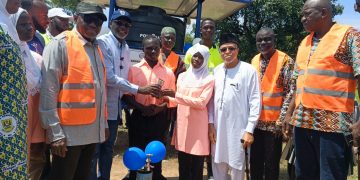
In a show of community spirit, participants raised GH₵600 and donated it, together with food supplies, to the Mother Mercy Babies Home, which cares for orphans from birth to three years. The CAHWs pledged to serve as ambassadors for the home in their communities.
The way forward
The trained CAHWs return to their communities with enhanced skills to improve animal health outcomes, support local livestock farmers, and contribute to household food security and income in the Upper East Region.
The partnership between KNUST, GAPNET and Veterinarians Without Borders continues to demonstrate how collaboration can build sustainable community animal health systems and promote gender-responsive development in rural Ghana.
About Veterinarians Without Borders (VWB)
VWB is an international organisation dedicated to improving the health and wellbeing of animals and people in vulnerable communities worldwide through veterinary expertise and sustainable development programmes.
About the Ghana Poultry Network (GAPNET)
GAPNET is a national organisation committed to enhancing poultry production and animal health across Ghana through training, advocacy and community engagement.

