




















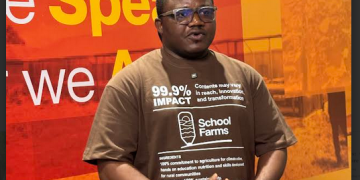






Alberta Nana Akyaa Akosa, National Chapter Lead for World Food Forum (WFF) Ghana Youth Chapter, is set to join global and African leaders at the 2026 World Food Forum Flagship Event in Rome, Italy, for a panel discussion on the role of young people in transforming Africa’s agrifood systems.
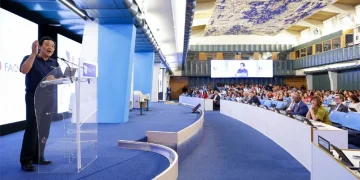
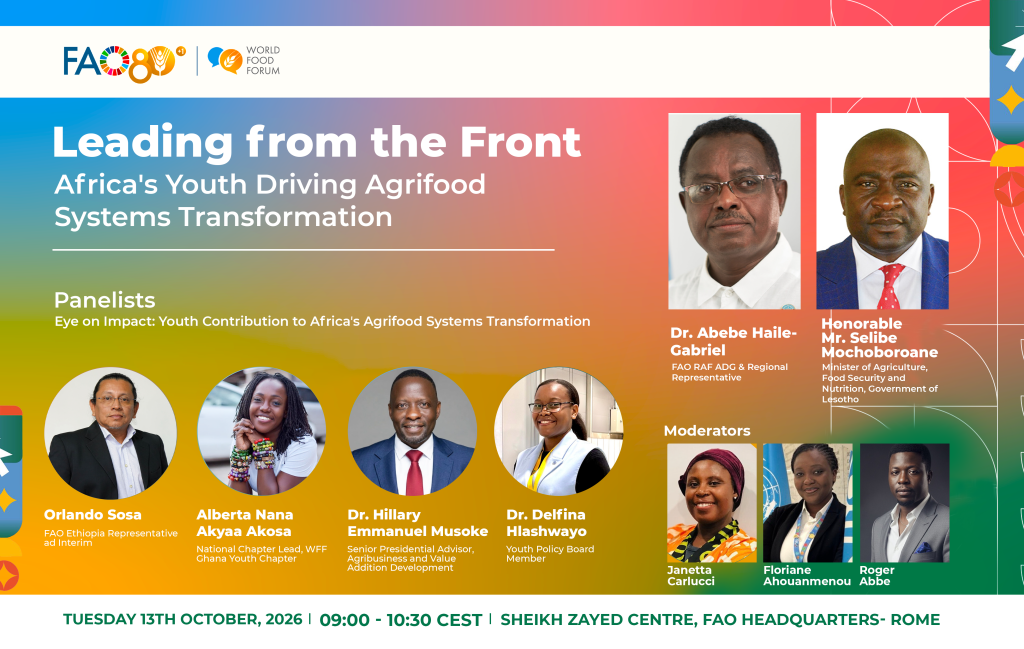
The session, themed “Eye on Impact: Youth Contribution to Africa’s Agrifood Systems Transformation,” scheduled for Tuesday, October 13, 2026, at the Sheikh Zayed Centre, Food and Agriculture Organization of the United Nations (FAO) headquarters. It seeks to bring together voices from government, international development, agribusiness and youth leadership to explore how young people can contribute meaningfully to addressing the continent’s food security, agricultural productivity, employment and sustainability challenges through leadership.
Ms. Akosa will join a distinguished panel featuring Dr. Abebe Haile-Gabriel, FAO Assistant Director-General and Regional Representative for Africa; Hon. Selibe Mochoboroane, Minister of Agriculture, Food Security and Nutrition of Lesotho; Orlando Sosa, FAO Ethiopia Representative ad interim; Dr. Hillary Emmanuel Musoke, Senior Presidential Advisor on Agribusiness and Value Addition Development; and Dr. Delfina Hlashwayo, a Youth Policy Board member.
With a focus on Africa, the World Food Forum Ghana Chapter Lead, will contribute to establishing the importance of offering the youth the chance to lead the continent’s food security discourse in the discussion, and recognizing them not just as beneficiaries of agricultural development to positioning them as active contributors to policy implementation, innovation and enterprise growth.
Her contribution will emphasize the need to move beyond treating young people as passive recipients of policy decisions and instead recognize them as active partners and co-creators of policies that promote resilient, equitable and sustainable agrifood systems.
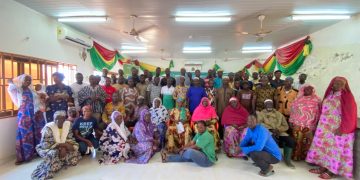
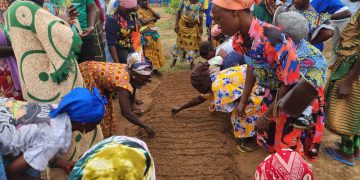
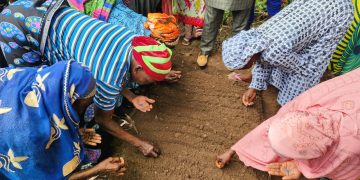
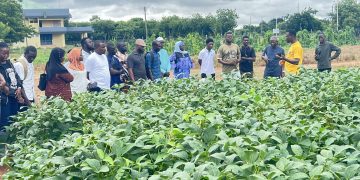
Drawing on the work and achievements of the World Food Forum Africa National Chapters, Ms. Akosa will highlight youth-led initiatives across the continent, which have been effective in contributing to Africa’s food future including food policy dialogues, agribusiness training programmes, climate-smart agriculture projects, nutrition and health advocacy, media engagements, and career mentorship platforms. These initiatives demonstrate how young people are already contributing to agrifood systems transformation through innovation, advocacy, capacity building and community engagement.
She will also outline practical strategies through the discussion for strengthening youth participation in policy development and implementation, expanding investment in agricultural technology and digital innovation to scale youth-led solutions, and fostering mentorship and knowledge-sharing partnerships between established industry leaders and emerging changemakers.
Through the panel discussion, Ms. Akosa will reinforce the importance of bridging generational gaps in agricultural leadership and governance, ensuring that young people have not only a seat at the decision-making table but also the resources, platforms and opportunities to influence policies and drive lasting change across the agrifood sector.
The discussion presents an opportunity to highlight the importance of creating an enabling environment in which young people can build viable agribusinesses, access markets, develop leadership capacities and contribute to solutions across the agricultural value chain.
Across Africa, young people continue to encounter barriers that limit their participation in agriculture, including inadequate access to affordable finance, productive resources, modern technologies, business development support and reliable markets. Addressing these constraints remains critical to unlocking the sector’s potential to generate employment, strengthen food security and stimulate economic growth.
The conversation at the World Food Forum is therefore expected to draw attention to the practical interventions, partnerships and investments needed to translate youth potential into measurable outcomes for Africa’s agrifood systems.
As Africa seeks to build more resilient, productive and inclusive food systems, the challenge will be to turn discussions into practical opportunities for young people to lead enterprises, influence policy implementation, introduce innovations and create sustainable livelihoods.
The panel discussion offers an opportunity to advance the conversation, placing youth leadership at the centre of efforts to build a more secure and sustainable agrifood future for Africa.
About the World Food Forum Flagship Event
The World Food Forum (WFF) is a youth-led global movement established by FAO to transform agrifood systems and accelerate progress toward the Sustainable Development Goals (SDGs). Its annual Flagship Event, hosted at FAO headquarters in Rome, is one of the world’s most influential platforms for shaping the future of food and agriculture.
This year’s edition, taking place from October 8–16, will feature an engaging lineup of high-level dialogues, youth assemblies, innovation labs, cultural showcases, and intergenerational exchanges. It serves as a unique space where young leaders engage directly with policymakers, present innovative solutions, and help set global priorities for building resilient, inclusive, and sustainable food systems.
About the World Food Forum Ghana Chapter
The WFF Ghana Chapter serves as the national youth-led platform under the global WFF initiative, empowering Ghanaian youth to actively contribute to food systems transformation through advocacy, innovation, and community-driven action.
Led by a six-member Steering Committee supported by Regional Focal Leads and specialized Working Groups, the Chapter focuses on key thematic areas including nutrition and health, climate action, agribusiness, and technology. This structure ensures strong linkages between local voices, national priorities, and global policy spaces, while designing context-specific solutions to meet Ghana’s agricultural and food security needs.
Since its inception, the WFF Ghana Chapter has pioneered initiatives that highlight youth contributions to healthy diets, climate resilience, food safety, and agribusiness development. It continues to inspire collaboration among students, researchers, entrepreneurs, and farming communities, reinforcing the belief that youth are central stakeholders in shaping the future of Ghana’s food systems.