


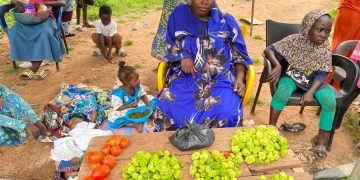


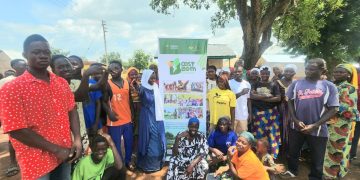

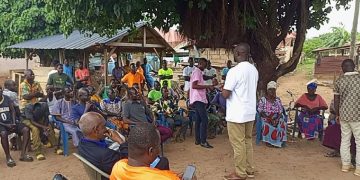







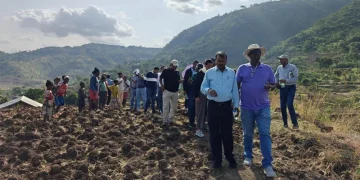



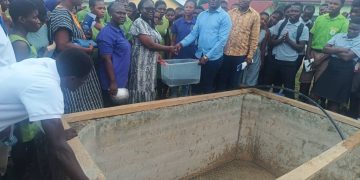











As part of AGRA’s long-term outcome of boosting the production and competitiveness of horticultural crops to meet local demand while creating economic opportunities for young people, especially women in Northern Ghana, the Boost to Bloom Project continued its community-level vegetable production training in Chegu, Mion District of the Northern Region, on Monday, September 7, 2026.
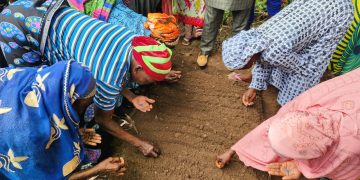
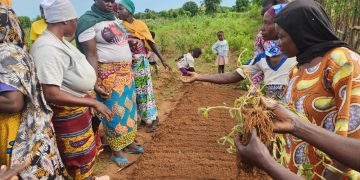
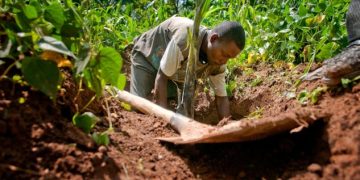
The training covered the key stages of vegetable production, including nursery establishment and seedling production, land preparation and field establishment, transplanting, appropriate fertilizer application, good agronomic practices, harvesting, and post-harvest handling.
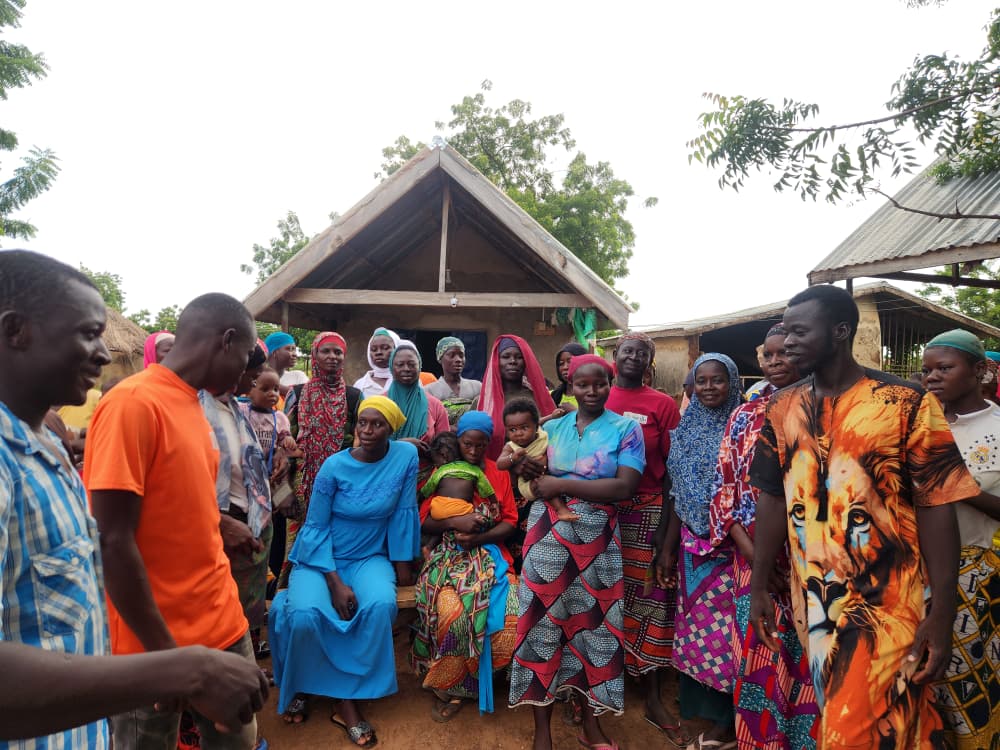
One important lesson shared with participants was the need to give seeds enough time to develop into healthy and strong seedlings before they are moved to the field. Participants were taught that vegetable seeds should generally be nursed for about three to four (3–4) weeks before transplanting to the farmland. Proper nursery management during this period helps seedlings develop well and gives them a better chance of establishing successfully after transplanting.
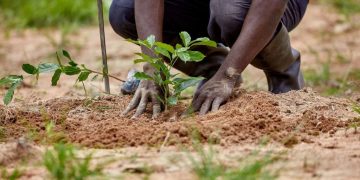
The session also highlighted the importance of proper land preparation and careful transplanting. Farmers were encouraged to handle seedlings with care, apply the appropriate amount of fertilizer, and follow good agronomic practices throughout the growing period to support healthy crop development and improve yields.
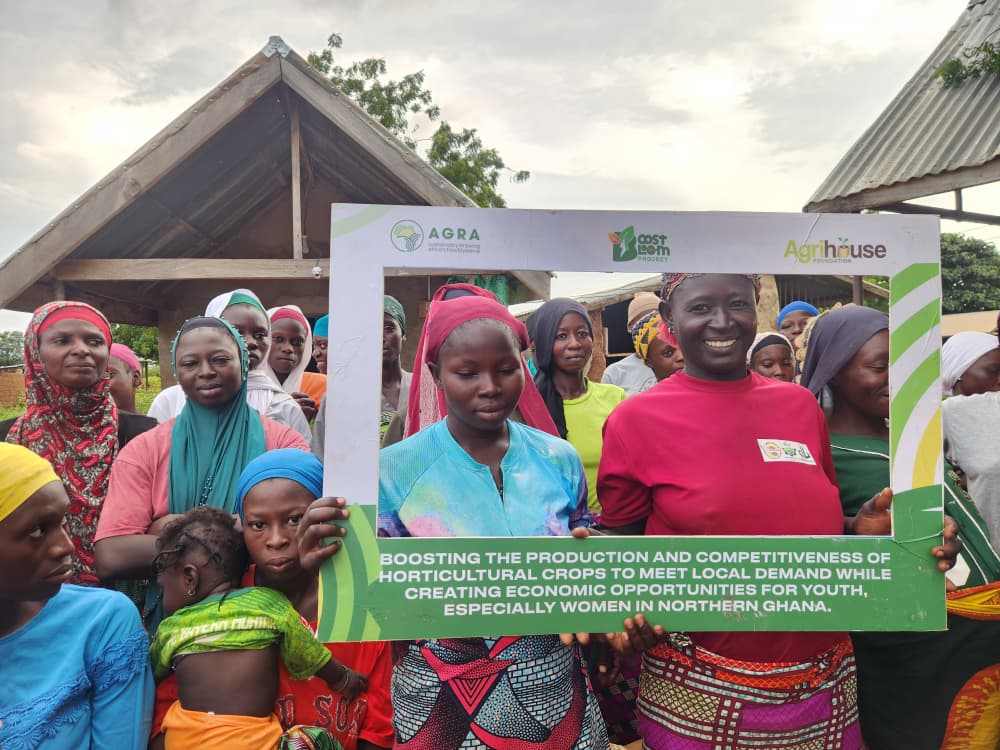
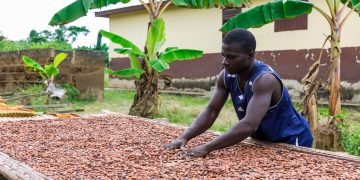
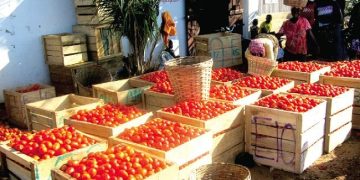
Beyond production, participants were also taken through harvesting and post-harvest handling, emphasizing that vegetable production does not end when crops are ready for harvest. Proper harvesting and handling are essential for maintaining the quality, freshness, and value of vegetables before they reach the market or the consumer.
For the farmers and young people in Chegu, the training provided an opportunity to strengthen their practical understanding of vegetable production and learn simple practices that can be applied directly on their farms.