





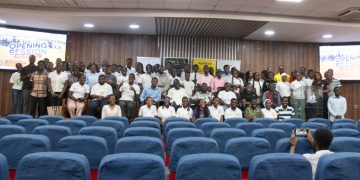

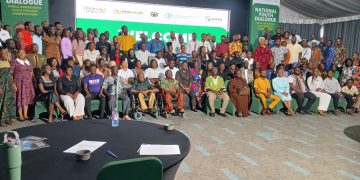

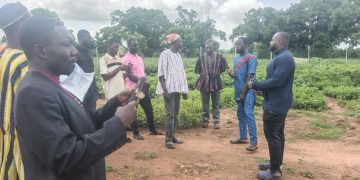
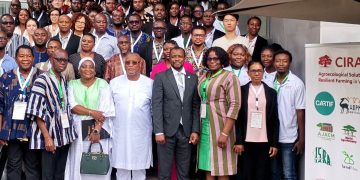




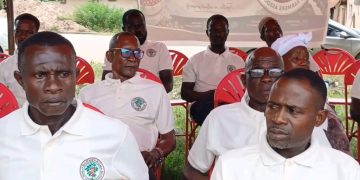


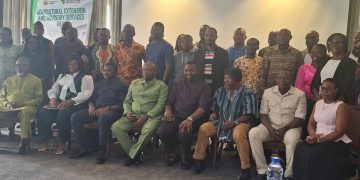
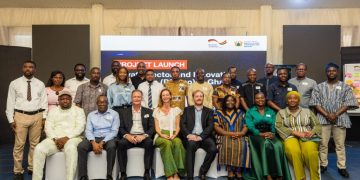










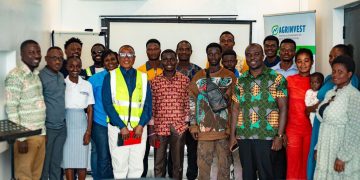
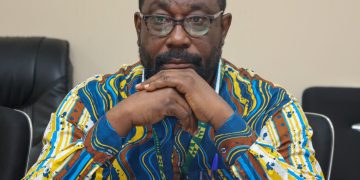








The recent AGRA National Youth Policy Dialogue in Accra was more than another stakeholder engagement on agriculture and youth development. It was a reminder that the future of Ghana’s agricultural transformation depends not only on better policies but also on changing how we view young people, persons with disabilities, and entrepreneurship itself.
Three moments from the dialogue stood out as powerful lessons that deserve to shape future policy discussions.
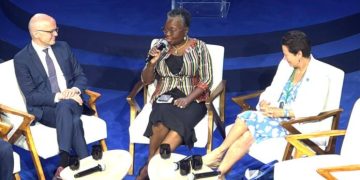
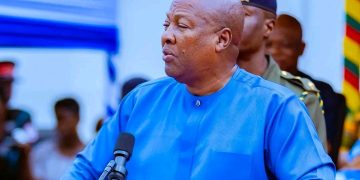
The first came from AGRA Ghana Country Director, Dr. Betty Annan, during her reflections on the Kampala Comprehensive Africa Agriculture Development Programme (CAADP) Framework. Her message challenged a common weakness in policy development: it is no longer enough for national policies to merely acknowledge young people. They must produce measurable outcomes that improve young people’s participation and livelihoods.
More importantly, she argued that youth should not be viewed simply as beneficiaries of agricultural policies. Instead, they must be recognized as active partners in implementation—individuals whose innovation, labour, and leadership are essential to making those policies succeed. This shift in thinking is significant because meaningful youth inclusion goes beyond consultation; it requires shared responsibility in delivering results.
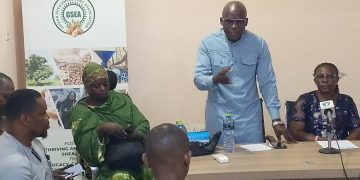
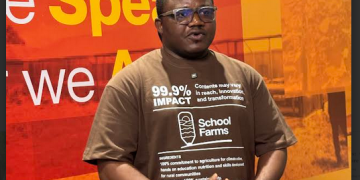
The second defining moment came during discussions on disability inclusion. A visually impaired participant transformed the conversation with a perspective that resonated across the room. He emphasized that disability should not be treated as an afterthought in policy formulation or programme implementation. Instead, it should be central to decision-making processes.
His observation was both simple and profound: persons with disabilities possess valuable ideas and solutions but often lack the opportunity and support to contribute effectively. His closing words captured the essence of inclusive leadership: “We get vision from our heart, not our sight.”
That statement challenged everyone present to reconsider how society defines ability and leadership. True inclusion means ensuring that every voice has an opportunity to influence decisions, regardless of physical limitations.
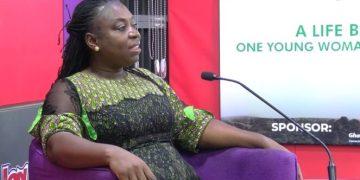
The third lesson came from Madam Paulina Addy, whose advice to young agripreneurs departed from the familiar conversation about financing. Rather than focusing first on grants, loans, or investment, she encouraged young entrepreneurs to recognize their existing skills as their earliest form of capital.
She illustrated this through the story of Ghana’s 2025 National Best Youth Farmer, Reuben, who began his agricultural journey not with external financial support but by leveraging his driving skills to generate income that financed his agribusiness. His experience demonstrates that entrepreneurship often begins with resourcefulness rather than resources.
This perspective challenges many young entrepreneurs to rethink what constitutes startup capital. Sometimes the greatest investment is the skill already in one’s possession.
Although these three speakers addressed different issues—policy implementation, disability inclusion, and entrepreneurship—their messages converged around a common principle: genuine empowerment is not achieved through symbolic representation or occasional support programmes.
Real inclusion means giving people a meaningful voice in designing solutions. Real empowerment means trusting individuals with responsibility rather than treating them solely as recipients of assistance. And sustainable entrepreneurship begins by recognizing and maximizing the assets people already possess.
As Ghana continues to strengthen youth participation in agriculture and implement the Kampala CAADP commitments, these lessons should not remain memorable conference moments. They should become guiding principles for policy, institutional reform, and programme design.
Agriculture’s future will not be transformed by policies that simply mention young people, women, or persons with disabilities. It will be transformed when these groups become central actors in shaping, implementing, and benefiting from the systems designed to serve them.
The challenge now is ensuring that the conversations heard in conference halls are translated into measurable actions in communities across the country.
By Ati Folix
WFF Bono East Focal Person
Co-founder, PureGrains Limited

