



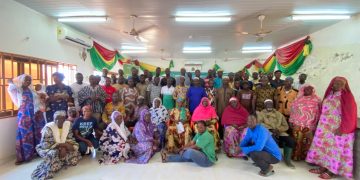



















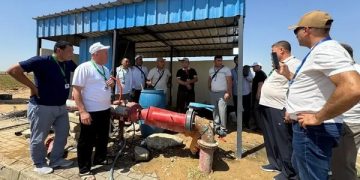
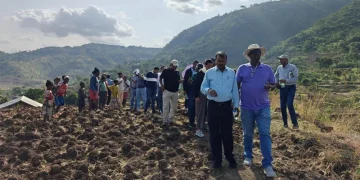


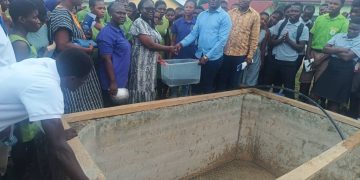












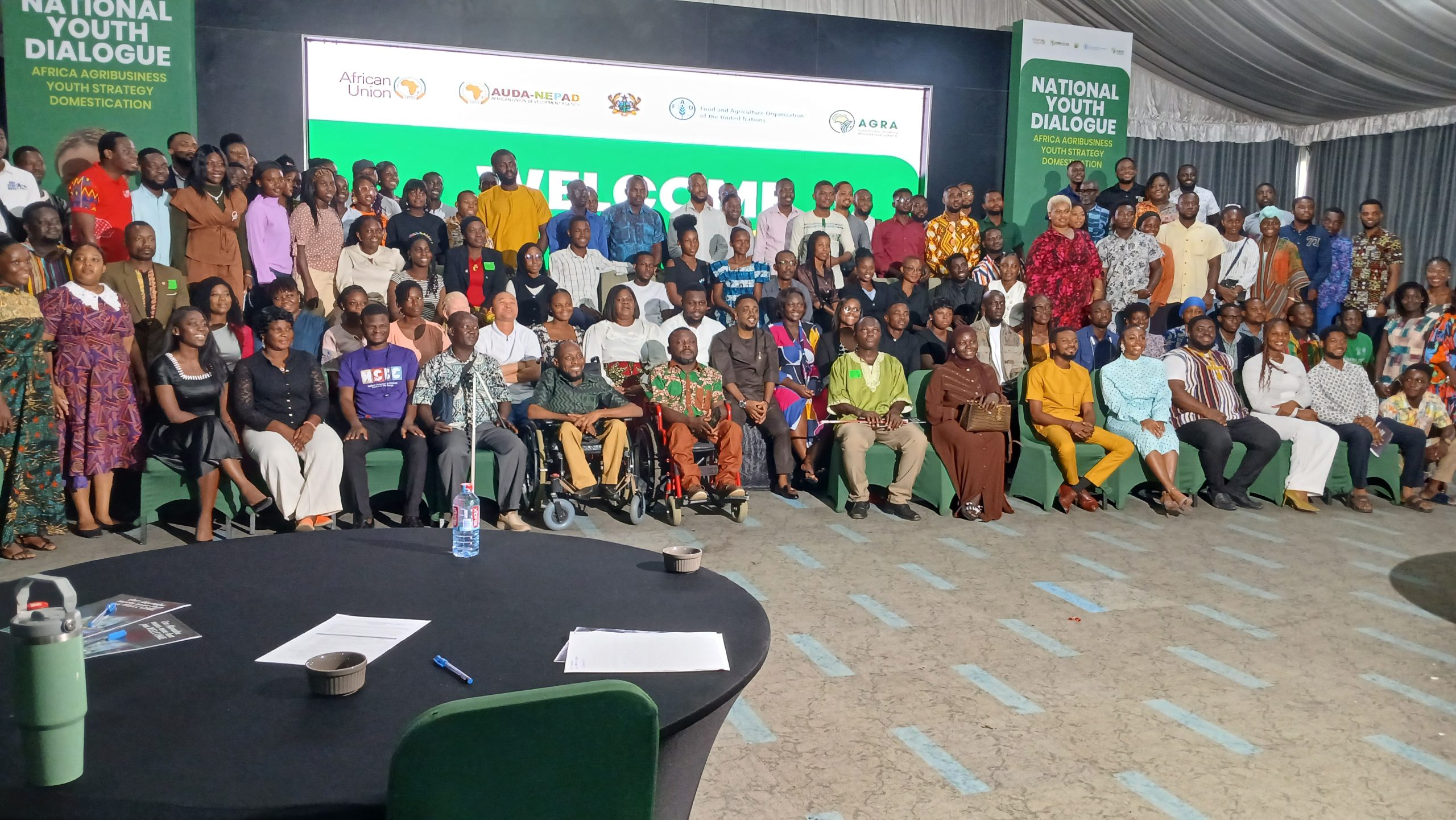
The second day of the AGRA’s National Youth Policy Dialogue in Accra shifted the conversation from abstract promises to hard numbers, introducing a groundbreaking mechanism designed to strictly measure youth integration in African agriculture.
The highlight of the session, led by Mr. Adama, was the formal introduction of YAPI, the Youth in Agrifood Systems Performance Index. Rather than relying on vague political sentiment about “youth being the future,” the newly deployed metric establishes a rigorous, data-driven scorecard tracking exactly how effectively young people are being incorporated into national agricultural frameworks.
Data Over Sentiment: Inside the YAPI Framework
The index functions through a granular matrix built to eliminate guesswork from youth empowerment initiatives. YAPI evaluates national agrifood landscapes across five strict operational domains using 29 distinct, measurable indicators.
The Five Domains of YAPI
Asset Access: Tracking physical, financial, and digital capital distribution to young demographics.
Economic Opportunity: Measuring the generation of viable, long-term employment and entrepreneurship pathways.
Policy Engagement & Governance: Assessing active youth inclusion in political decision-making.
Education & Skills: Monitoring technical and capacity building availability.
Innovation & Technology: Measuring the adoption and leadership of youth in modern agricultural tech.
“Built Blind”: The Uncomfortable Truth About ‘Feed Ghana’
The dialogue took an uncomfortable turn when Mr. Adamu evaluated Ghana’s own agricultural track record against the index. Focus specifically turned to Feed Ghana, a flagship national project that remains a point of deep institutional pride within the country.
While acknowledging it as a fundamentally “good project,” Mr. Adamu pointed out a stark structural flaw: Feed Ghana was never built with youth intentionality in mind.
“It was designed without the opportunity to plug into the Kampala CAADP (Comprehensive Africa Agriculture Development Programme) policy framework from the start,” Adamu noted.
The critique underscored a systemic issue across continental agricultural planning—well-funded, well-meaning initiatives are consistently built blind to the very metrics now used to evaluate whether they are actually moving the needle for the next generation.
The Weakest Link: A Seat at the Table
When Ghana’s performance metrics were explicitly mapped across YAPI’s five foundational pillars, the results dispelled a common misconception. The primary bottleneck facing young Ghanaian farmers is not, as traditionally assumed, a lack of access to arable land or financial credit.
Instead, the lowest-performing indicator on Ghana’s scorecard was policy engagement and governance.
The metric confirms that while young people are expected to execute agricultural labor, they are systematically denied a meaningful seat at the table where high-level policy is drafted.
A Call to Action for Kampala Commitments
For the delegation present, the conclusion was unmistakable: if Ghana intends to honor its commitments under the landmark Kampala CAADP framework, policy governance is the absolute baseline that must be corrected.
Fixing land access and input distribution is a temporary bandage if the institutional governance models remain top-down and youth-exclusive. If policy engagement is rehabilitated first, systemic inclusion across the remaining four YAPI domains will naturally follow.

By: Ati Folix, Bono Regional Focal Lead, World Food Forum (WFF) Ghana Chapter.

