







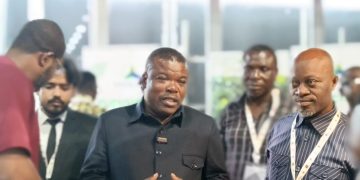




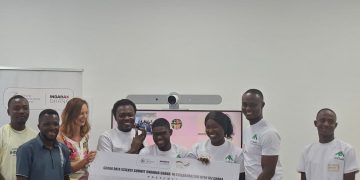





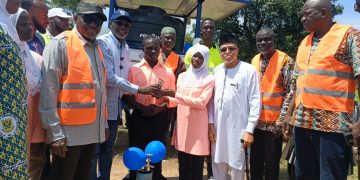









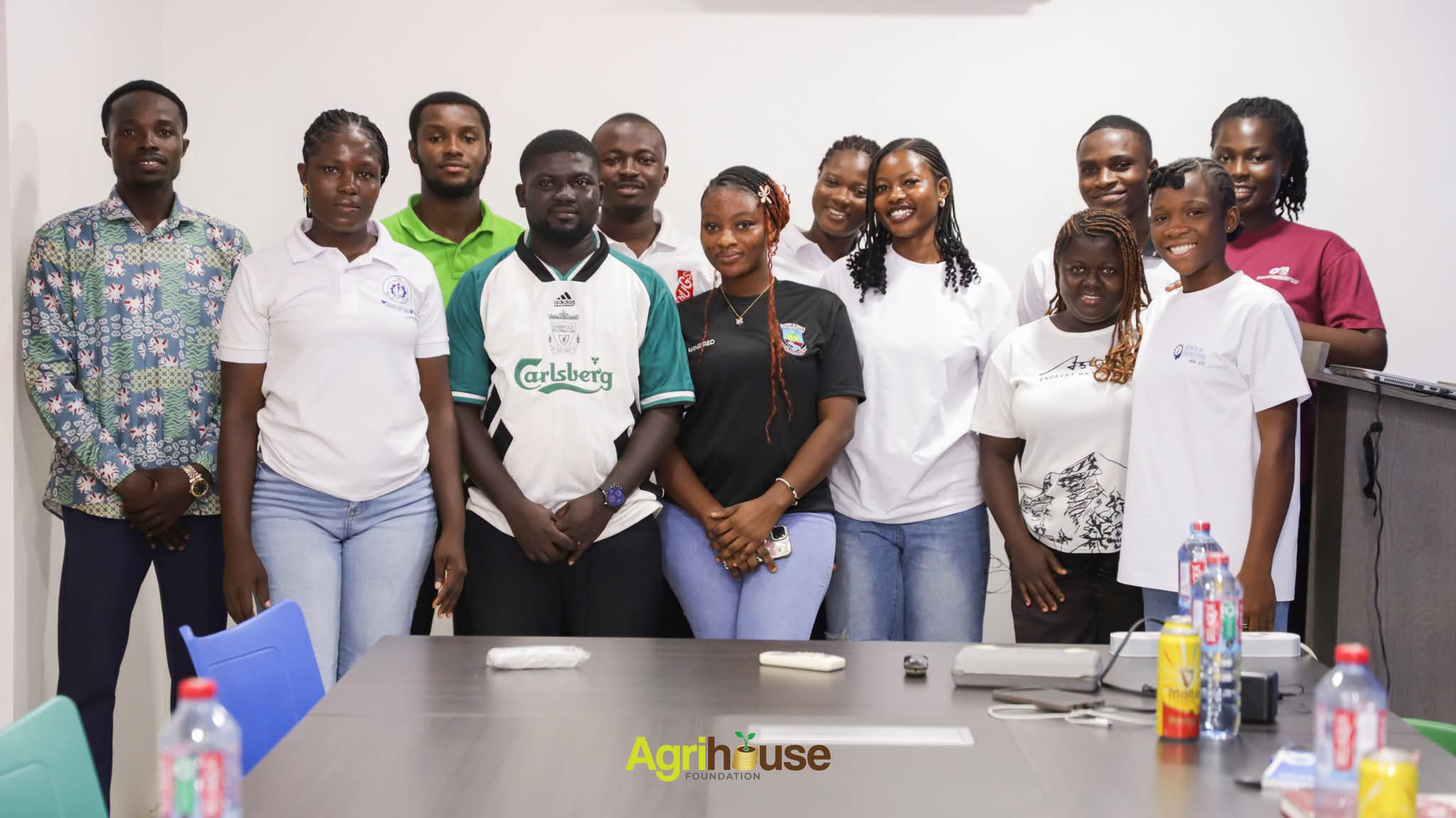
Agrihouse Foundation has officially opened the 9th Agricultural Students Career Guidance and Mentorship Bootcamp (AG-STUD 2026), bringing together Agriculture students from across Ghana to bridge the gap between academic theory and practical agribusiness experience.
The five-day bootcamp, which commenced on Sunday, June 15, 2026, and will end on Friday, June 19, 2026, aims to equip participants with industry knowledge, practical skills, mentorship opportunities, and exposure to career pathways within the agricultural sector by placing a sharp focus on the youth’s role in national policy, specifically challenging participants to develop sustainable solutions for the Ministry of Food and Agriculture’s (MoFA) flagship initiatives.
While previous bootcamps focused on business pitches, this year features a collective mission. In partnership with MoFA, the organizers have tasked the students with addressing a critical national challenge: how to make the newly introduced Farmer Service Centers under the Feed Ghana initiative holistically driven, independent, and sustainable.
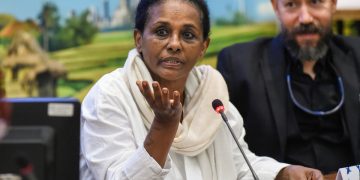
According to the Executive Director of Agrihouse Foundation, Ms Alberta Nana Akyaa Akosa, the decision to pivot toward policy recommendations stems from a gap in current national discussions.
“A lot of discussions have been ongoing regarding the Feed Ghana policy and the Farmer Service Centers, but with little focus on the youth,” the Executive Director explained. “We approached the Ministry to ask how the youth can play a critical role in national policy. On Friday, the students will present concrete proposals and recommendations directly to the Minister, the director, and coordinators of these initiatives.”
The students have been preparing their strategies well in advance, collaborating with their school principals and lecturers before arriving at the bootcamp.
The AG STUD bootcamp is structured to give students a comprehensive understanding of the agricultural value chain through a mix of mentorship, corporate immersion, and field trips.
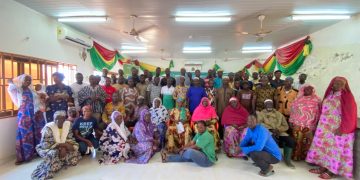
The Opening Day introduced a fresh cohort of students to the bootcamp’s objectives, with addresses from industry leaders to inspire the participants.
On the second day, students spend a full day embedded within major agribusiness organizations. The cohorts visited institutions such as Stanbic Bank (exploring its agribusiness and women’s desks), Rainbow Agrosciences, Qualiplast Ghana Limited, Demeter Ghana limited, De-hues, and AFRA to experience the daily operations of corporate agriculture.
The students also embarked on an “Ag Voyage” Field Trip where they travelled to Ahodwo farms in Juapong in the Volta Region for practical exposure to an integrated cassava processing company, spanning cultivation, processing, and packaging.
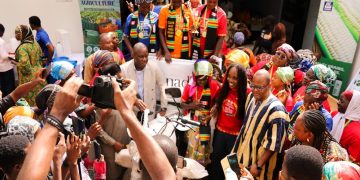
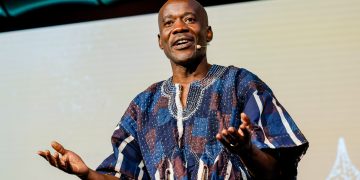
Today, Thursday, the participants attended an Agri-Ted mentorship session with the Chief Petron, Dr. Zenator Agyeman Rawlings, Member of Parliament for Klottey – Korle Constituency, held at the auditorium of the Parliament House of Ghana.
For returning participants, the impact of the Agrihouse Foundation’s initiative is already evident. Hamid Mohammed Shaban, a student from Bunso Integrated Community Center for Agriculture (BICCA) in the Eastern Region, shared how the bootcamp has accelerated his personal and professional growth.
“The bootcamp has been very impactful. Last year, we learned how to pitch and were nurtured by mentors to bring our ideas from paper to life,” Shaban said. “This year, I am looking forward to networking with key industry players, share our ideas about the agric-sector to them, and looking for opportunities to grow to make Ghana and our lives better.”
Over the years, the AG STUD bootcamp has proven to be a fertile ground for career development. Alumni of the program have gone on to launch their own agribusiness startups, secure employment within major agricultural firms, or return to the sector as facilitators and mentors.
The bootcamp will culminate on Friday with the highly anticipated presentation session at the GNAT Hall in Accra, where the youth will officially hand over their sustainable blueprints to the country’s agricultural leadership.

