

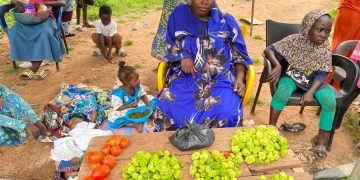
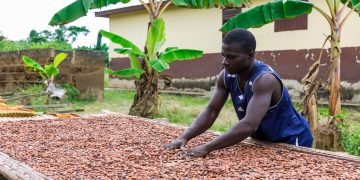

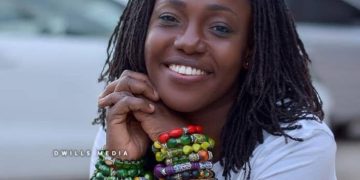



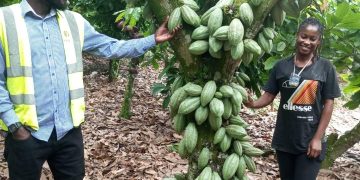
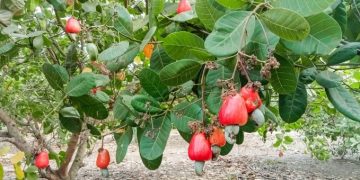

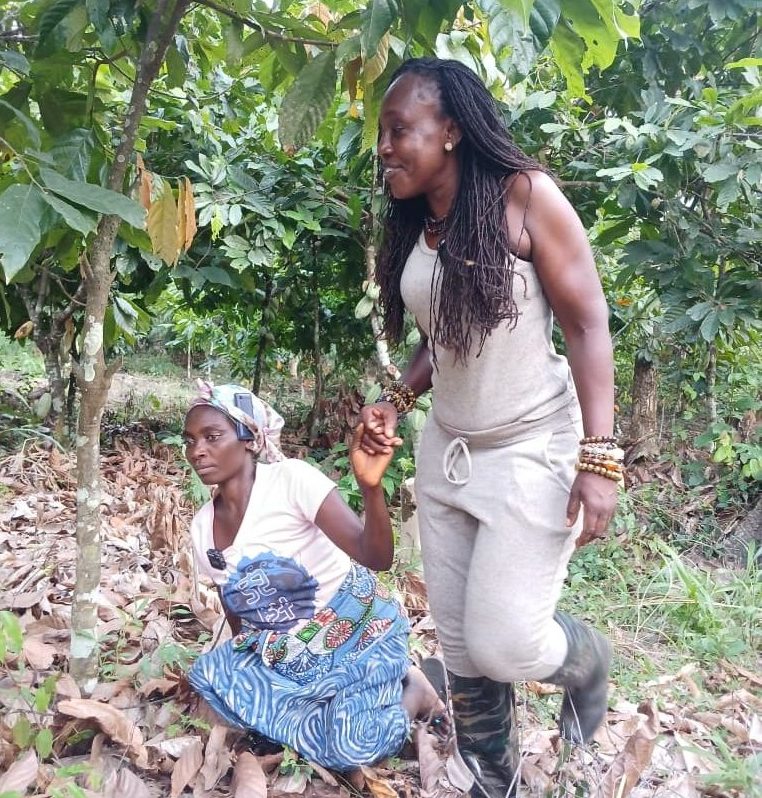
At just 26 years old, Grace Abrah is proving that disability is not a barrier to success. From her farm in Bebiaaneha near Abura Dunkwa in Ghana’s Central Region, the mother of three cultivates cocoa, cassava, plantain, cocoyam, and garden eggs, using agriculture not only to feed her family but also to contribute to Ghana’s food security. Yet behind her inspiring journey lies a persistent challenge—poor transportation—which continues to limit her ability to get her produce to market and earn a fair income from her hard work.
In this second episode of At the Table with Alberta Nana Akyaa Akosa, we had a discussion with Grace Abrah, a physically challenged farmer from Abura Dunkwa in the Central Region of Ghana, who, despite her disability, is helping shape the future of food and putting food on our tables.
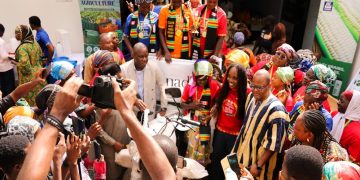
At the Table with Alberta Nana Akyaa Akosa is by Agrihouse Foundation and its sister company, AgriWatchGH News, in partnership with the World Food Forum Ghana Chapter and Global Affairs Canada, in recognition of the International Year of the Woman Farmer.
Alberta Nana Akyaa Akosa – INTRODUCTION
This is At the Table with Alberta Nana Akyaa Akosa, where we recognise and highlight the extraordinary and vital role women farmers and women farmers with disabilities are playing in shaping the future of food and the agrifood system. I have really been inspired over the past few days. I have been motivated and encouraged to do more, and if this does not inspire you to go after your dreams, then I don’t know what will. I am here on the farm with the beautiful, beautiful Sister Grace.
Alberta Nana Akyaa Akosa: Sister Grace, you are welcome.
Grace Abrah: Thank you, Mom.
Alberta Nana Akyaa Akosa: Sister Grace, please tell us your full name.
Grace Abrah: My name is Grace Abrah.
Alberta Nana Akyaa Akosa: Grace Abrah And how old are you?
Grace Abrah: I’m 26 years old.
Alberta Nana Akyaa Akosa: What is the name of this town?
Grace Abrah: It is called Bebiaaneha.
Alberta Nana Akyaa Akosa:How long have you stayed here?
Grace Abrah; Yes, please.
Alberta Nana Akyaa Akosa: Were you born here?
Grace Abrah: Yes, please.
Alberta Nana Akyaa Akosa: Are you married with children?
Grace Abrah: Yes, please.
Alberta Nana Akyaa Akosa: How many are they?
Grace Abrah: They are three.
Alberta Nana Akyaa Akosa: I guess they are very beautiful, looking at how beautiful you are.
Grace Abrah: Eii, Madam.
Alberta Nana Akyaa Akosa: So, Sister Grace, has it been that long since you started farming?
Grace Abrah: It has been a long time.
Alberta Nana Akyaa Akosa: So, what have you planted on your farm?
Grace Abrah: I have cocoa, cassava, plantain, and cocoyam.
Alberta Nana Akyaa Akosa: Cocoa, cassava, plantain, and garden eggs?
Grace Abrah: And garden eggs too.
Alberta Nana Akyaa Akosa: So, how many acres is your farm?
Grace Abrah; I can’t really give an accurate figure.
Alberta Nana Akyaa Akosa: Have you been doing it for a while now?
Grace Abrah: Yes, but not that very long.
Alberta Nana Akyaa Akosa: So, have you been benefiting from it?
Grace Abrah: Yes, the proceeds have been helping me to take care of the kids.
Alberta Nana Akyaa Akosa : Are they all schooling?
Grace Abrah:Yes, please.
Alberta Nana Akyaa Akosa: I trust you don’t really have a problem with food, but it is helping in paying school fees and all other things, right?
Grace Abrah:Yes, please.
Alberta Nana Akyaa Akosa: Then you are really benefiting.
Grace Abrah: Yes, including the provision of their books and everything.
Alberta Nana Akyaa Akosa: Sorry to ask, were you born like this?
Grace Abrah: Yes, please.
Alberta Nana Akyaa Akosa:We have been to other farms of people like yourself, and they often tell us how people have been mocking their situation. Have you been facing the same ordeal, or are you not moved?
Grace Abrah: I used to be shy about my situation. I even used to outsource my offering to others to give on my behalf at church, but I prayed to God to take away the shyness, and it is done. I’m not moved by anybody’s reaction.
Alberta Nana Akyaa Akosa: What kind of challenges do you face being a woman farmer in this situation? Because you are actually doing well as a farmer, planting cocoa, plantain, cassava, and others. You are doing a great job. Are there any challenges facing you?
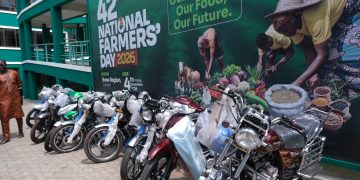
Grace Abrah: The transport system here has been a major challenge, which delays my farm goods from reaching the market at peak moments. We don’t meet the peak moments in the market upon arrival, causing low demand even before we get there, which always results in incurring losses.
Alberta Nana Akyaa Akosa: So there are no vehicles here?
Grace Abrah:No, there are no vehicles. It is only the tricycle that operates here, and even that one is based on request.
Alberta Nana Akyaa Akosa:Then it is indeed a big issue.
Grace Abrah: Yes, indeed, a big issue. We just give the farm produce to people because we don’t make any sales at the market.
Alberta Nana Akyaa Akosa: Really
Grace Abrah: How do we even provide for our children with this issue then? And that has been my problem.
Alberta Nana Akyaa Akosa: Do the agric officers come here to visit your farm?
Grace Abrah : No.
Alberta Nana Akyaa Akosa: They don’t come at all? So you dash out your goods because of the transport issue?
Grace Abrah:My farm produce remains here with me if I don’t get a means of transport, and I get late to the market on days when I get vehicles because they delay us.
Alberta Nana Akyaa Akosa : This is a problem.
Grace Abrah: Yes.
Alberta Nana Akyaa Akosa: So what changes do you want to see in your farming expedition and farming in this community?
Grace Abrah: I want to see the transport issue fixed. Getting tricycles to carry our goods to the market would help us a lot.
Alberta Nana Akyaa Akosa: Auntie Grace, I want you to send a message of motivation to someone out there with regards to your work. What do you have for them?
Grace Abrah: I want to motivate women out there to embrace agriculture because it is a good venture. They should actively go into farming, even if they have any disability, because it will help them.
Alberta Nana Akyaa Akosa – OUTRO
This is At The Table with Alberta Nana Akyaa Akosa, and I say cheers to all the women farmers and women farmers with disabilities who are nourishing our nation. Indeed, they are the heart of the farm, they are the seed of the farm, they are the gold in the soil. If Auntie Grace, with all her disabilities and capabilities, can make it, then why can’t you?
Auntie Grace, I want you to send a message of motivation to someone out there with regards to your work. What do you have for them?
Grace Abrah: I want to motivate women out there to embrace agriculture because it is a good venture. They should actively go into farming, even if they have any disability, because it will help them.
Alberta Nana Akyaa Akosa
Grace is encouraging us not to give up, and we should venture into agribusiness. In spite of all the challenges, we are going to reap enormous benefits. Thank you so much for this fruitful conversation. We shall also do our best to look at how we could help in any way possible.
“At the Table with Alberta Nana Akyaa Akosa” is a public interest programme brought to you by Agrihouse Foundation and its sister company, AgriWatchGH, in partnership with the World Food Forum Ghana Chapter, as part of activities commemorating the International Year of the Woman Farmer.
This initiative seeks to spotlight the stories, challenges, achievements, and contributions of women farmers across Ghana while creating awareness and mobilizing support for their critical role in agriculture and national development.
Individuals, organizations, and development partners who would like to support these women farmers and this public interest programme may contact:
Linda Boateng: 020 952 9627
Alberta Nana Akyaa Akosa: 024 462 3012
Email: [email protected]
Together, let us celebrate, empower, and invest in the women who help feed our nation and shape the future of our agrifood systems.

