

































The General Agricultural Workers Union (GAWU) has intensified calls for the establishment of a Ghana Agricultural Services Authority, describing it as a critical step toward transforming agricultural service delivery and strengthening policy implementation across the country.
According to Andy Tagoe, General Secretary of the General Agricultural Workers Union (GAWU), the proposed Authority would serve as a centralised and well-coordinated body to drive the programmes of the Ministry of Food and Agriculture, much like the Ghana Health Service and Ghana Education Service have done in their respective sectors.
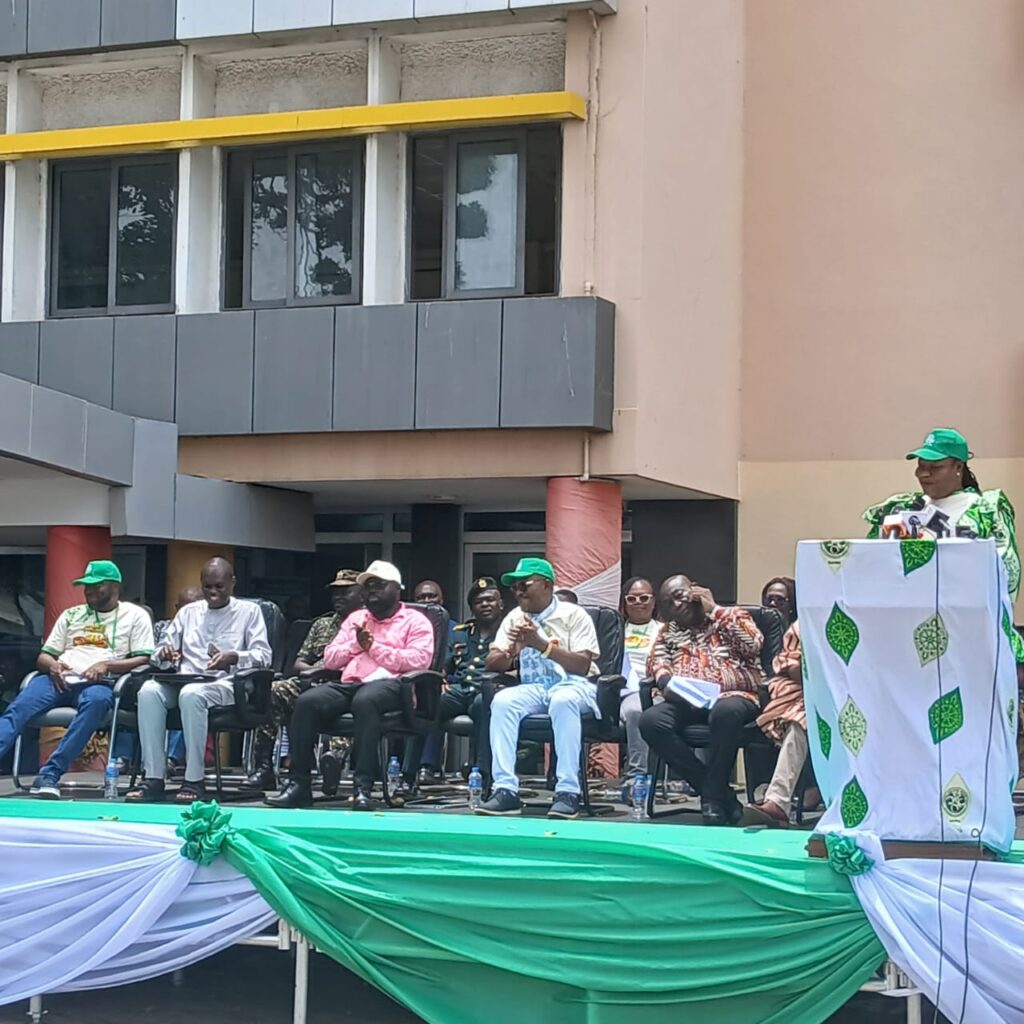
He made this appeal during the maiden GAWU Agricultural Fair held in Accra as part of activities marking the May Day 2026 celebrations organised by the Trades Union Congress.
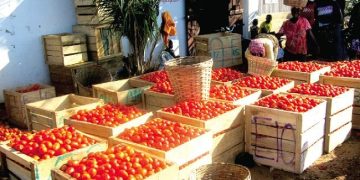
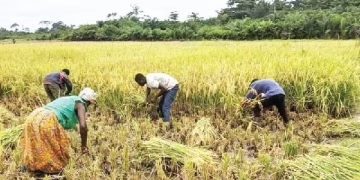
Held under the theme “From Farm to You: Decent Work Today, Food Security Tomorrow,” the fair brought together farmers, agribusinesses, policymakers, and development partners to showcase agricultural products while engaging in discussions on the pressing challenges confronting the sector.
Mr Tagoe stressed that although Ghana has developed sound agricultural policies over the years, progress has been slowed by weak coordination and the absence of a dedicated institution to ensure effective implementation.
He warned that the current fragmented approach to executing agricultural programmes was limiting impact, noting that a central authority would ensure consistency, efficiency, and equitable access to services for farmers nationwide.
Beyond policy coordination, he explained that the proposed Authority would play a pivotal role in professionalising extension services, expanding farmer support systems, and ensuring that interventions reach even the most remote farming communities.
Highlighting a growing concern, Mr Tagoe described as troubling the disconnect between unemployed agricultural graduates and farmers who continue to lack technical support.
He argued that at a time when Ghana must prioritise productivity and innovation in agriculture, it was unacceptable for trained extension officers to remain jobless while farmers struggle without guidance.
He therefore urged government to prioritise the recruitment of agricultural graduates and integrate them into a strengthened, well-resourced extension system under the proposed Authority.
Additionally, he called for improved logistics, resources, and motivation for frontline agricultural workers, emphasizing that their effectiveness is key to driving productivity and ensuring food security.
Reaffirming the importance of agriculture to Ghana’s economic growth, Mr Tagoe noted that institutional reforms would be essential to unlocking the full potential of the sector.
He further underscored the need for stronger collaboration between government, organised labour, and the private sector, expressing confidence that the establishment of a Ghana Agricultural Services Authority would significantly enhance policy implementation, boost productivity, and secure sustainable livelihoods for farmers and agricultural workers across the country.

