

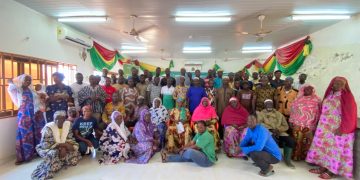
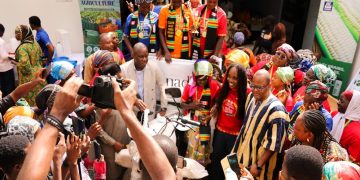
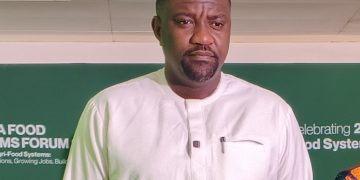

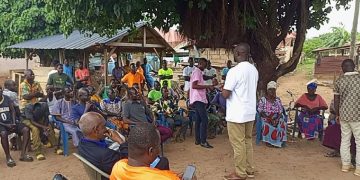
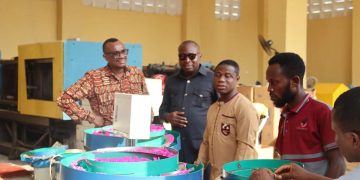
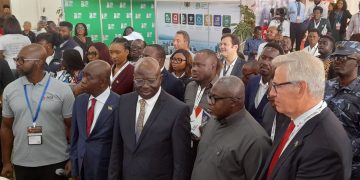
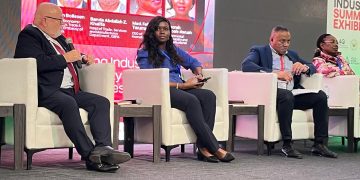
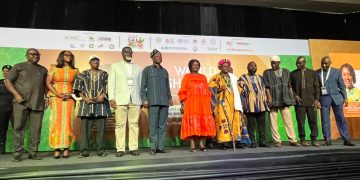
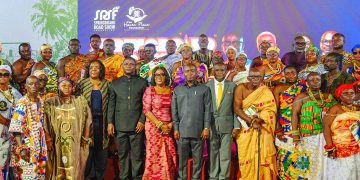
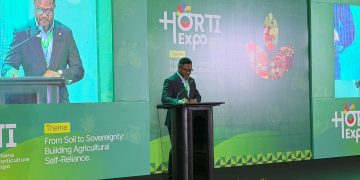
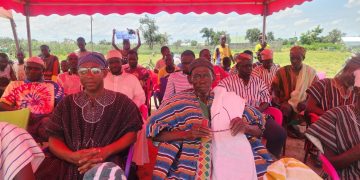

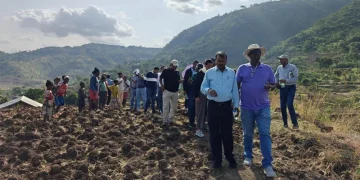
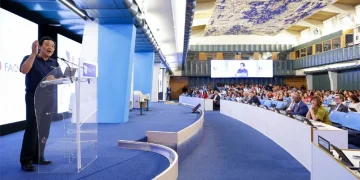



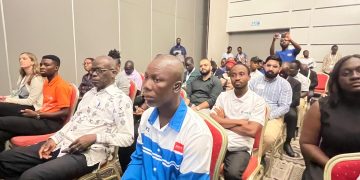


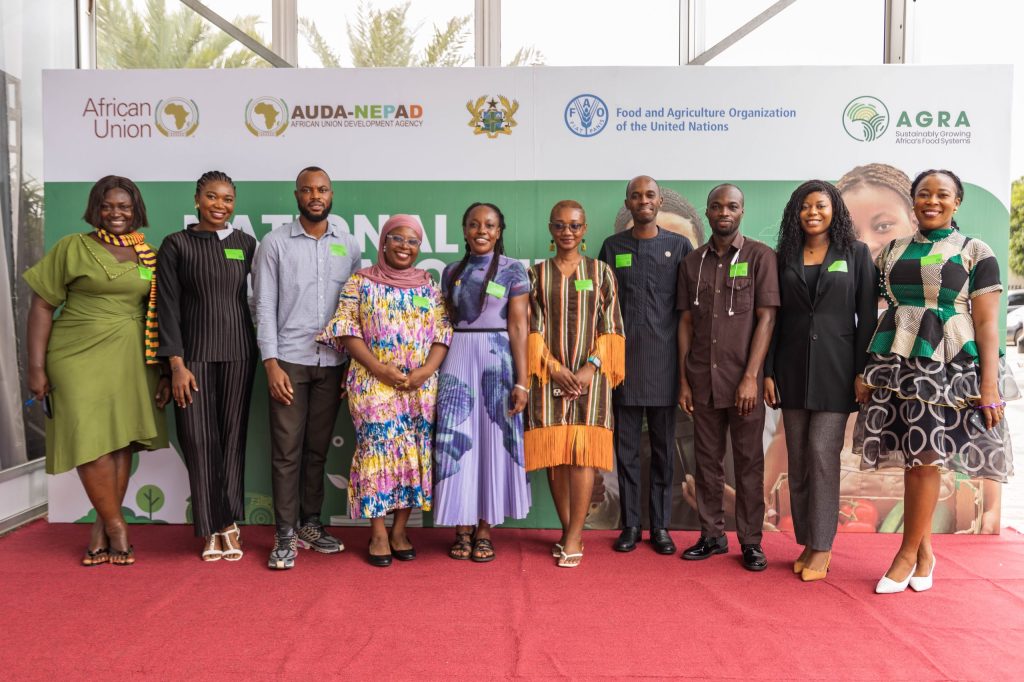
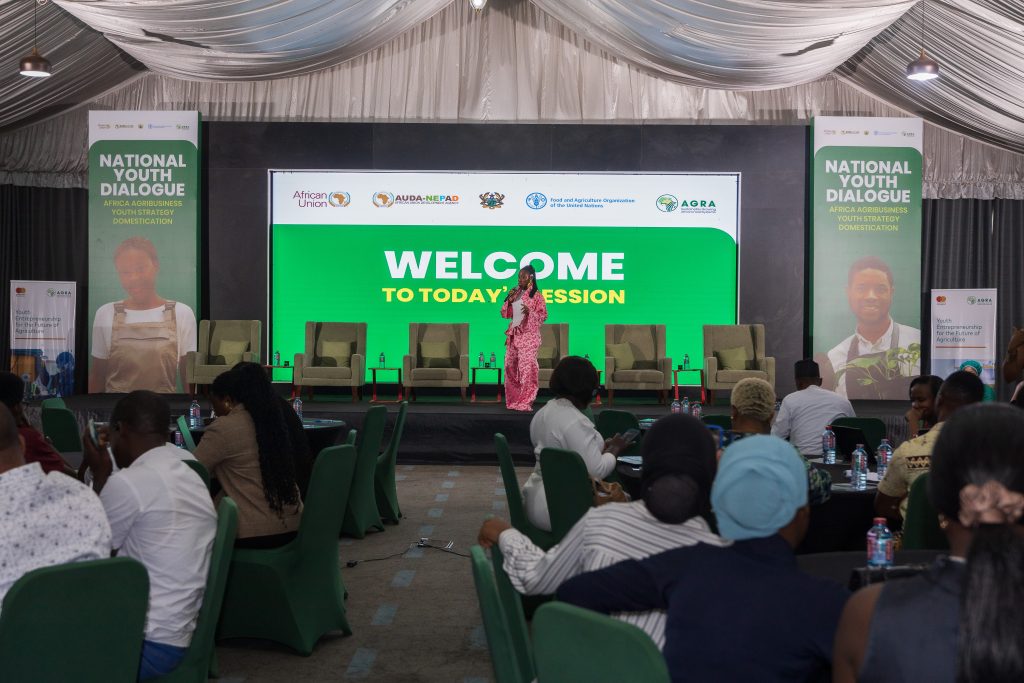
The recently concluded National Youth Dialogue, organised by AGRA in collaboration with the Food and Agriculture Organization of the United Nations (FAO), sought to accelerate youth inclusion through the implementation of the Africa Agribusiness Youth Strategy (AAYS) by promoting practical pathways for young people to access and thrive in national, regional and continental agribusiness value chains.
The three-day dialogue also featured extensive discussions on the Comprehensive Africa Agriculture Development Programme (CAADP) Kampala Declaration, with particular focus on how young people can meaningfully contribute to the design and implementation of its youth and women agenda.
The youth inclusion component of the CAADP Kampala Declaration calls on African governments to:
- Increase youth participation in agricultural policymaking.
- Expand access to land, finance, technology and digital tools for young agripreneurs.
- Strengthen technical and vocational training in agriculture.
- Promote decent jobs across agricultural value chains.
- Support youth-led agribusinesses and innovation.
Sharing his reflections, Ati Folix, the Bono East Regional Focal Representative of the World Food Forum (WFF) Ghana Chapter, said the National Youth Dialogue served as a timely reminder that the future of Ghana’s agricultural transformation depends not only on better policies but also on changing how society views young people, persons with disabilities and entrepreneurship itself.
According to him, four key lessons emerged from the dialogue that should inform national policy integration and implementation.
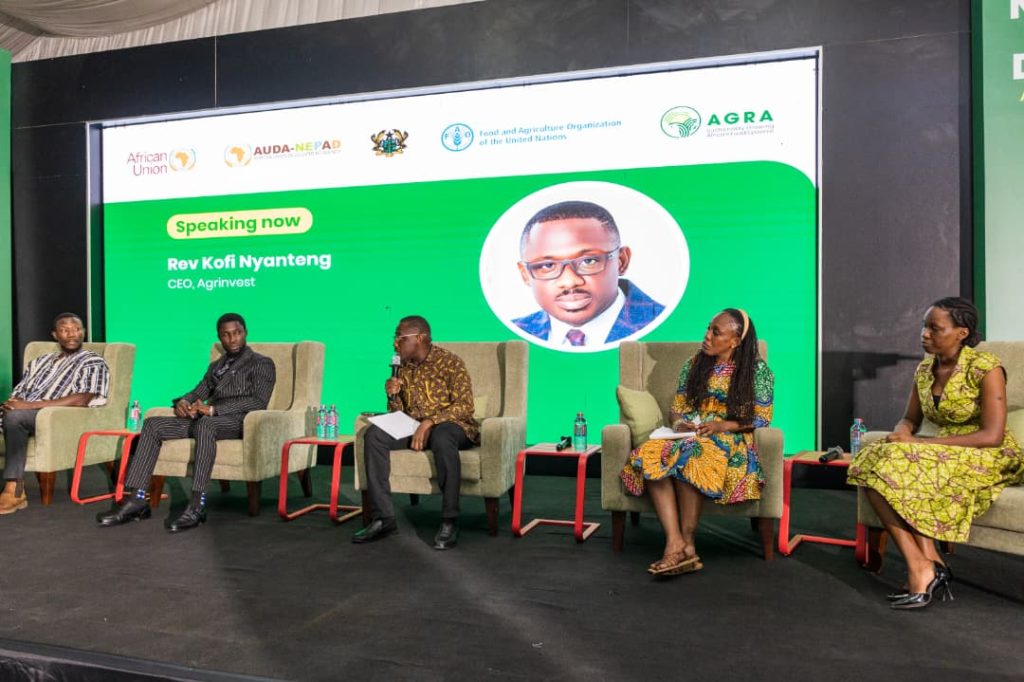
One of the defining moments for him was the presentation by AGRA Ghana Country Director, Dr Betty Annan, who reflected on the Kampala CAADP Framework and stressed the urgent need to produce measurable outcomes that improve youth participation and livelihoods.
Her submission reinforced the view that young people should no longer be regarded merely as beneficiaries of agricultural policies. Rather, they must be recognised as active partners in implementation whose innovation, labour and leadership are essential to achieving successful policy outcomes.
This shift in thinking is significant because meaningful youth inclusion goes beyond consultation; it requires shared responsibility and accountability in delivering results.
The second defining moment came during discussions on disability inclusion, when a visually impaired participant transformed the conversation by challenging the tendency to treat disability as an afterthought in policy formulation and programme implementation rather than integrating it into decision-making from the outset.
The participant argued that persons with disabilities possess valuable ideas, experiences and solutions but are often denied the opportunity and support to contribute meaningfully.
His concluding statement perfectly captured the essence of inclusive leadership: “We get vision from our heart, not our sight.”
The statement challenged everyone present to rethink how society defines ability and leadership. True inclusion means ensuring that every voice has the opportunity to influence decisions, regardless of physical ability.
Another important lesson came from Madam Paulina Addy, whose remarks shifted the conversation away from the usual focus on financing. Instead of encouraging young agripreneurs to begin with grants, loans or investment, she urged them to recognise their existing skills as their first source of capital.
She illustrated this through the story of Ghana’s 2025 National Best Youth Farmer, Reuben Asare, who began his agricultural journey not with external financial support but by using his driving skills to generate income that eventually financed his agribusiness.
His story demonstrates that entrepreneurship often begins with resourcefulness rather than resources.
This perspective challenges many young entrepreneurs to rethink what constitutes start-up capital. Sometimes the greatest investment is the skill one already possesses.
The final lesson came from the National Lead of the WFF Ghana Chapter, Alberta Nana Akyaa Akosa, during a panel discussion on regional and continental trade.
She argued that the inability of many youth-led agribusinesses to scale across borders stems largely from low production volumes, inconsistent quality of raw materials, a growing “copycat” culture that discourages genuine innovation and value addition, and limited market intelligence and industry knowledge among young entrepreneurs.
According to her, overcoming these barriers requires a holistic support system that replaces the current fragmented approach to youth enterprise development.
As Ghana continues to strengthen youth participation in agriculture and implement the commitments of the Kampala CAADP Declaration, these lessons should not remain memorable conference discussions. They should become guiding principles for policy formulation, institutional reform and the effective implementation of national agricultural programmes.
Real inclusion means giving people a meaningful voice in designing solutions. Real empowerment means trusting individuals with responsibility rather than treating them solely as beneficiaries of assistance. Sustainable entrepreneurship begins by recognising and maximising the assets people already possess.
The challenge now is ensuring that the conversations held in conference halls are translated into measurable action in communities across the country. The WFF Ghana Chapter remains committed to advancing this agenda by harnessing the innovation, passion and enthusiasm of young people to build resilient, inclusive and sustainable agrifood systems.
Finally, FAO supported seven members of the World Food Forum Ghana Chapter to participate in the National Youth Dialogue.
About the WFF Ghana Chapter
The World Food Forum Ghana Chapter, under the auspices of the Food and Agriculture Organization of the United Nations (FAO), is a dynamic youth-led initiative committed to transforming Ghana’s agrifood systems.
The Chapter leverages the passion, innovation and leadership of Ghanaian youth to promote food security, sustainable agricultural practices and youth participation in agricultural policymaking. By connecting young people with global networks and local opportunities, the WFF Ghana Chapter fosters practical, youth-led solutions that contribute to a more sustainable, resilient and food-secure future.
As part of the global World Food Forum movement, the Chapter serves as a platform for empowering Ghanaian youth to identify innovative solutions, influence policy and drive positive action towards transforming agrifood systems.

