


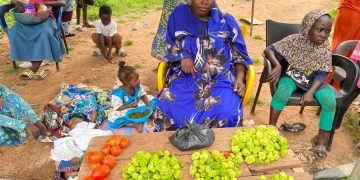
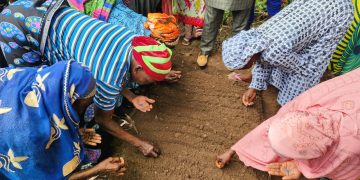
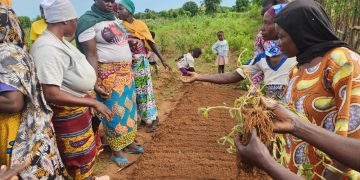
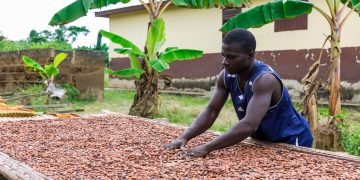


















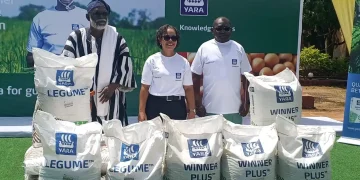

Yara Ghana reaffirms its commitment to supporting women farmers, strengthening agricultural value chains, and promoting sustainable farming practices as Ghana works to build a more resilient and food-secure agricultural sector.
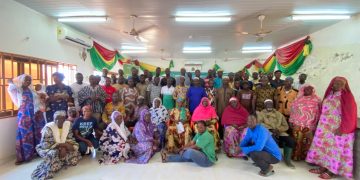
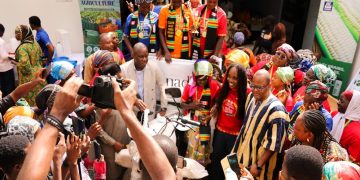
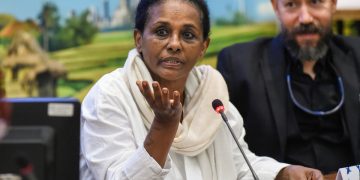
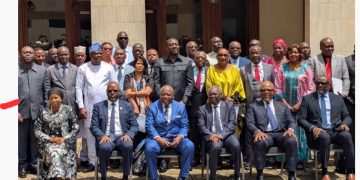
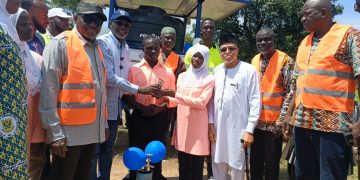
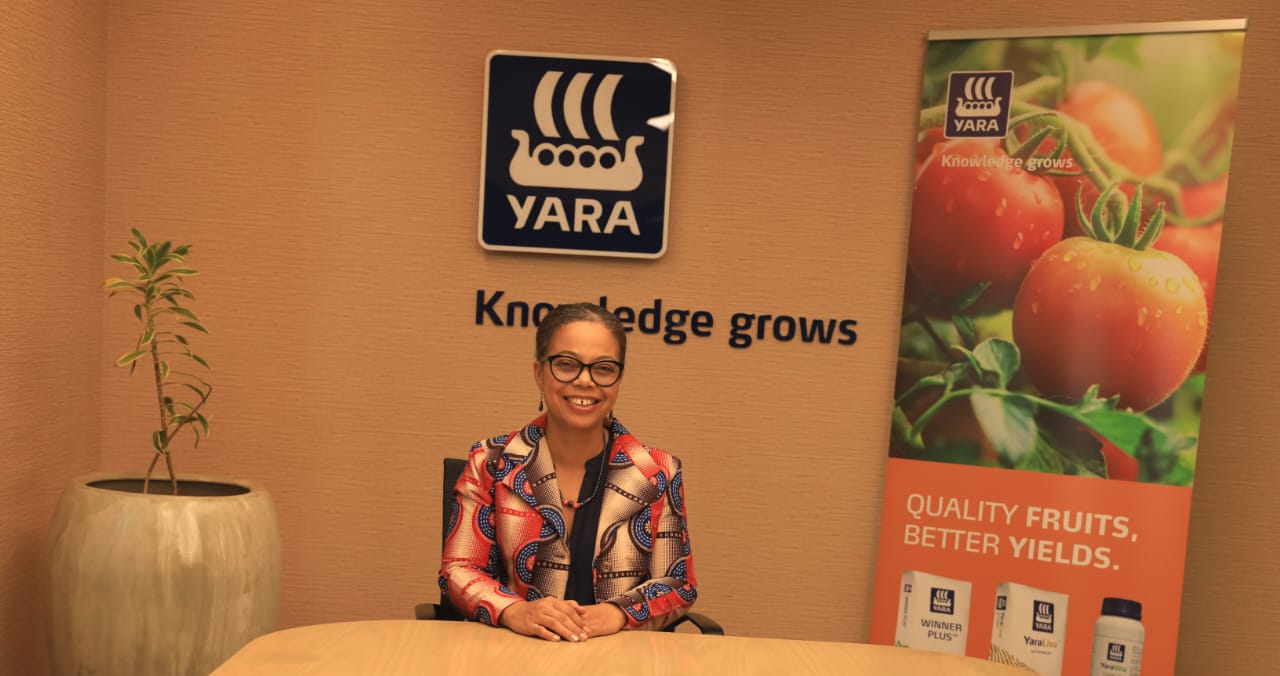
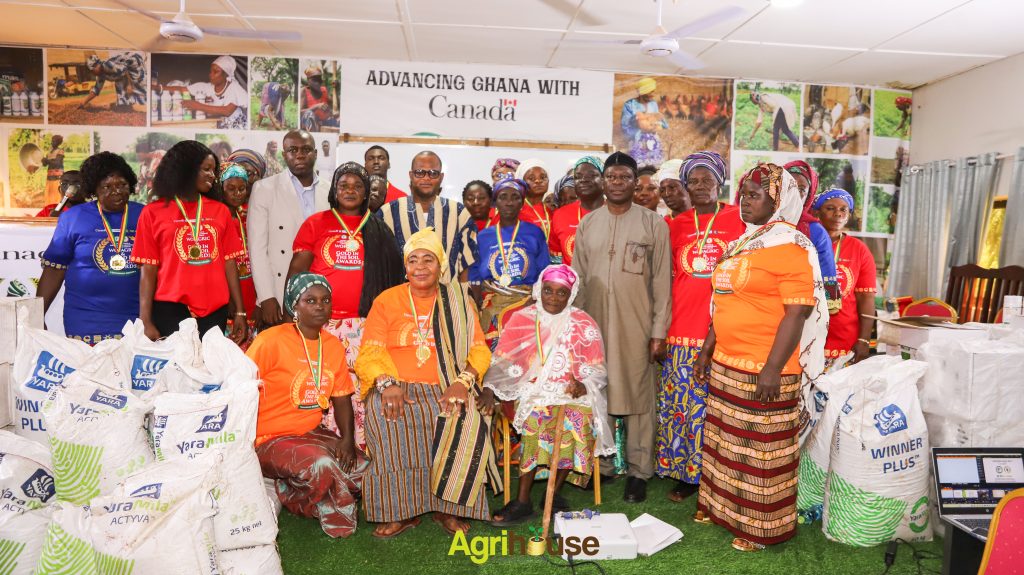
Addressing the Participants at the 8th edition of the Women in Food and Agricultural leadership training Forum and the Gold in the Soil Awards in Damongo in the Savannah region focused on the theme: “Strengthening Rural Women Farmers’ Access to Agricultural Inputs, Mechanization and Extension Services: The Role of Government and Development Organizations,” the Country Manager of Yara Ghana Theresa Randolph highlighted the importance of collaboration across the agricultural ecosystem to address the challenges facing farmers and unlock the full potential of Ghana’s agricultural sector.
According to her, partnerships such as WOFAGRIC and other value-chain initiatives provide important platforms for bringing together farmers, government, development organizations, private-sector actors, and other stakeholders to share knowledge, create opportunities, improve productivity, and strengthen food systems.
“Through partnerships such as WOFAGRIC and other value-chain initiatives, we have helped bring together key stakeholders across the agricultural ecosystem to create opportunities, encourage knowledge sharing, improve productivity, and strengthen food systems,” the Country Manager said.
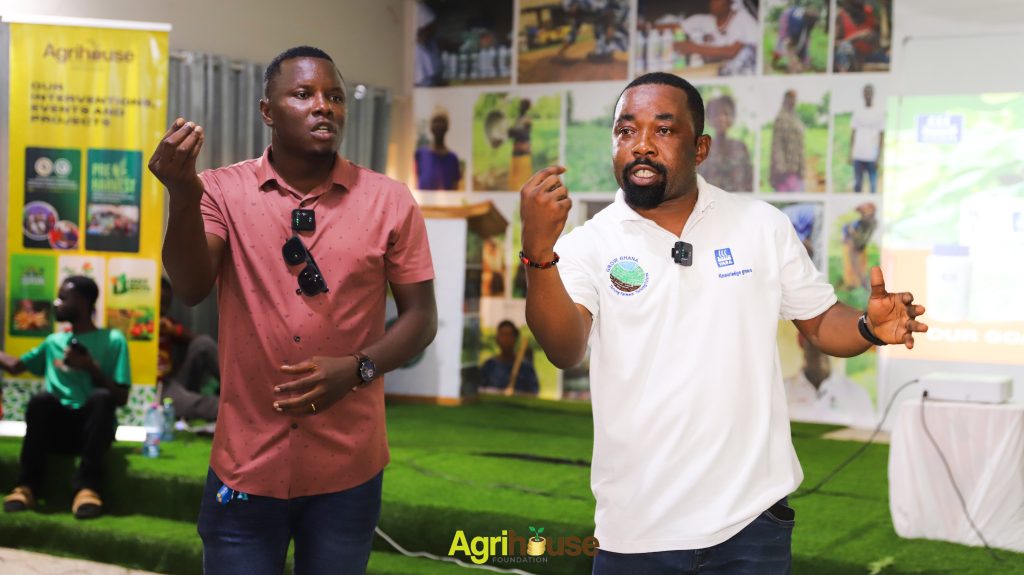
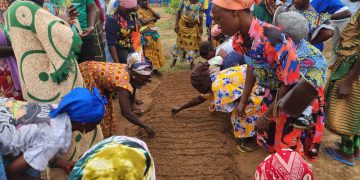
At the heart of Yara Ghana’s approach is a commitment to helping farmers improve productivity and profitability through access to agronomic knowledge, innovative crop nutrition solutions, and digital technologies.
The company believes that increasing agricultural productivity must go hand in hand with responsible environmental stewardship. By promoting more efficient and sustainable farming practices, Yara Ghana is supporting farmers to produce higher yields and better-quality crops while protecting the natural resources on which agriculture depends.
These interventions are also intended to contribute to improved farmer incomes and livelihoods, while supporting food production at local, regional, and national levels.
Madam Theresa further indicated that, Yara Ghana places particular emphasis on the role of women in agriculture, recognizing their significant contribution to food production, processing, trading, household livelihoods, and rural economies.
The company believes that empowering women farmers with knowledge, technology, quality agricultural inputs, and access to relevant services can generate benefits that extend beyond individual farms to families and entire communities.
“The future of agriculture in Ghana depends on an inclusive system where every farmer has access to the knowledge, technology, and resources they need to succeed,” the Country Manager noted.
For Yara Ghana, inclusion means understanding the unique needs of farmers and working with stakeholders to remove barriers that limit their ability to participate productively in the agricultural value chain.
The Country Manager for Yara Ghana noted that, with Ghana experiencing population growth and increasing urbanization, ensuring a reliable and sustainable food supply has become an increasingly important national priority.
This, Yara Ghana believes that improving farmers’ access to quality inputs, extension services, mechanization, and capacity-building programs will be critical to meeting this challenge.
She added that, the company is therefore calling for stronger collaboration among government, development organizations, private-sector companies, farmer organizations, and other stakeholders to develop practical solutions across the agricultural value chain.
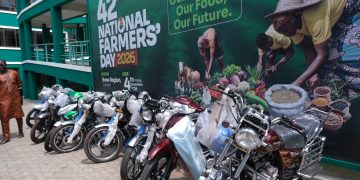
This includes improving access to quality inputs and agronomic knowledge, as well as supporting mechanization for land preparation, planting, harvesting, processing, and storage.
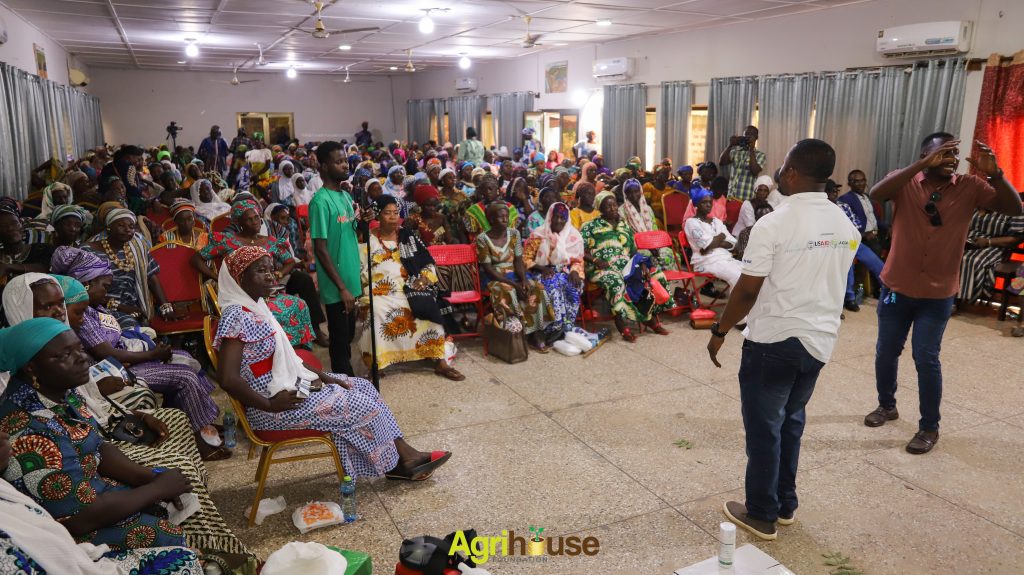
Greater access to these resources can help farmers increase productivity, reduce post-harvest losses, improve incomes, and build more resilient agricultural enterprises. She emphasized.
Theresa Randolph revealed that, Yara Ghana’s engagement extends beyond the provision of crop nutrition products. The company sees sustainable agricultural development as a collective responsibility requiring collaboration across the entire value chain.
She opines, the company believes that the transformation of Ghana’s agricultural sector will require greater adoption of modern farming practices, stronger agribusiness value chains, increased investment in rural communities, and greater participation of women in agricultural leadership and innovation.
Yara Ghana’s vision is closely aligned with its broader aspiration for “a collaborative society, a world without hunger, and a planet respected.” The company believes that achieving this vision in Ghana will require sustained partnerships and collective action.
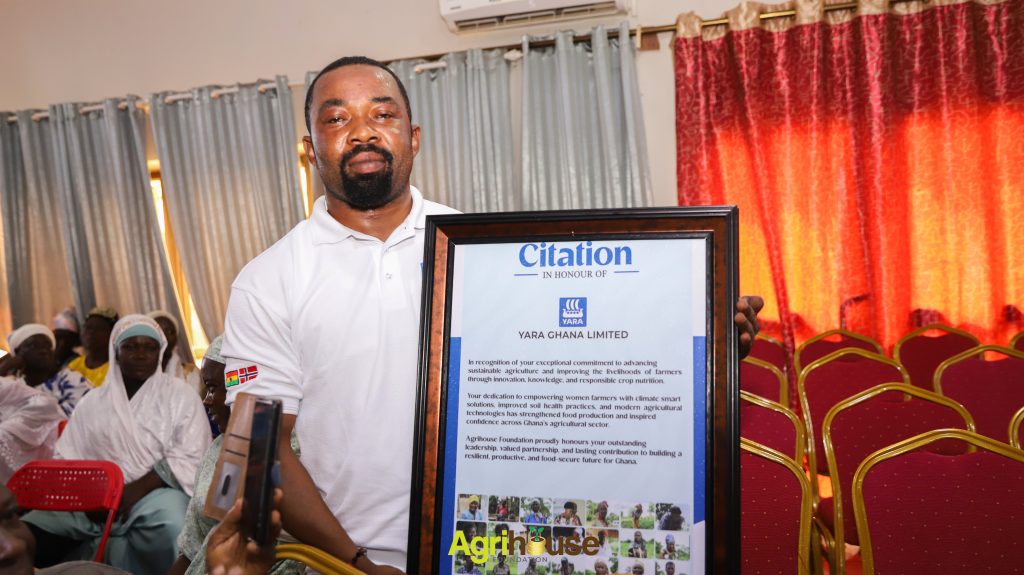
By equipping farmers with knowledge, innovative solutions, and technologies, while supporting broader efforts to improve access to mechanization, extension services, and agricultural inputs, Yara Ghana is positioning itself as a partner in Ghana’s journey towards a more productive, inclusive, and sustainable agricultural sector.
As the country works to strengthen food security, Yara Ghana remains committed to working alongside farmers and stakeholders across the agricultural ecosystem to create opportunities, improve livelihoods, and support a future where agriculture can sustainably feed a growing population.

