



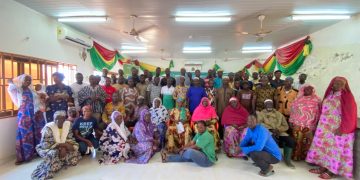

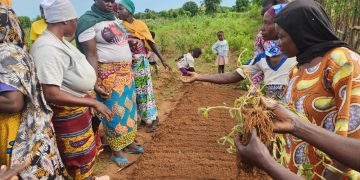




















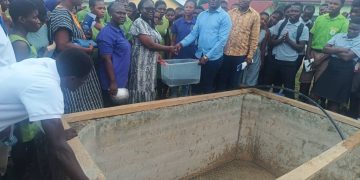











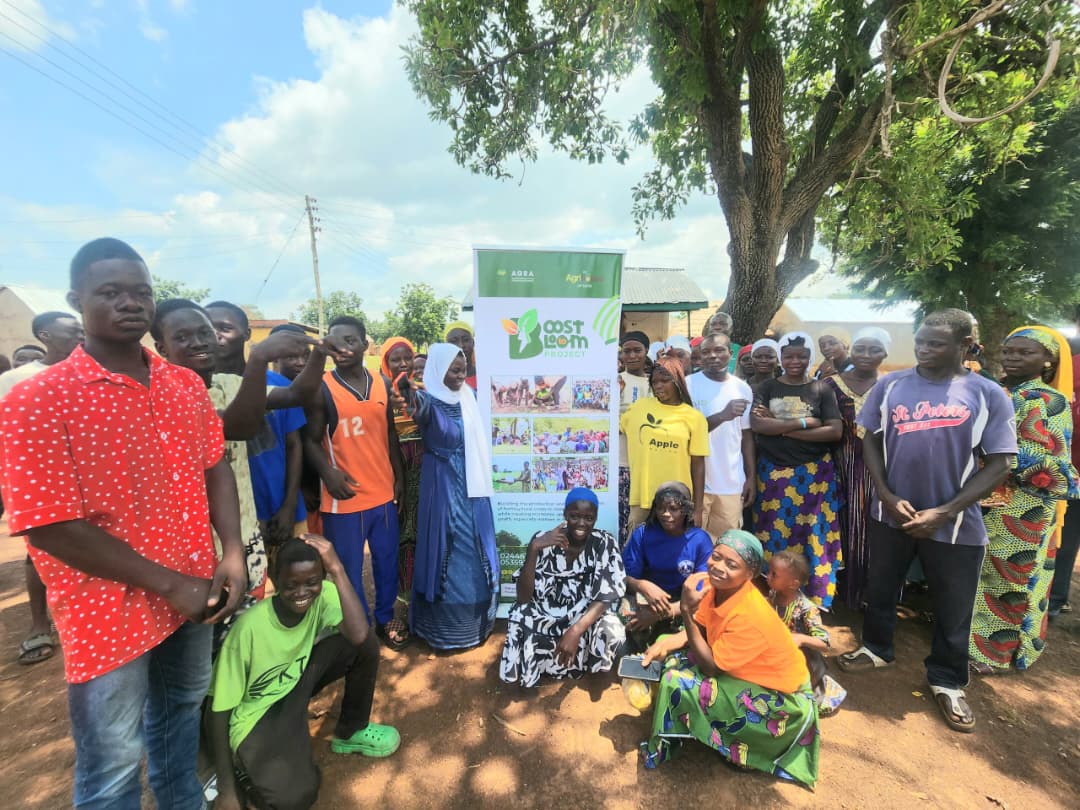
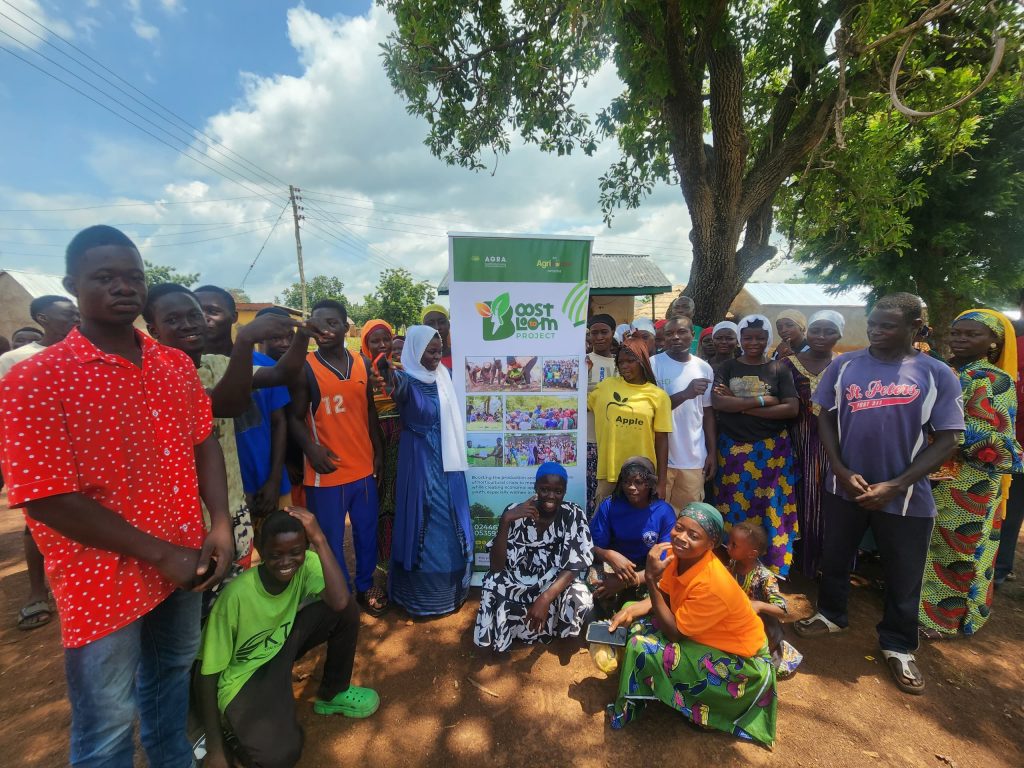
More than 100 young people and farmers in Kpalkore in the Mion District of the Northern Region have received practical training in vegetable production as part of efforts to boost the production and competitiveness of horticultural crops, meet local demand and create economic opportunities for young people, particularly women, in Northern Ghana.
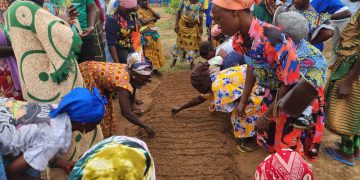
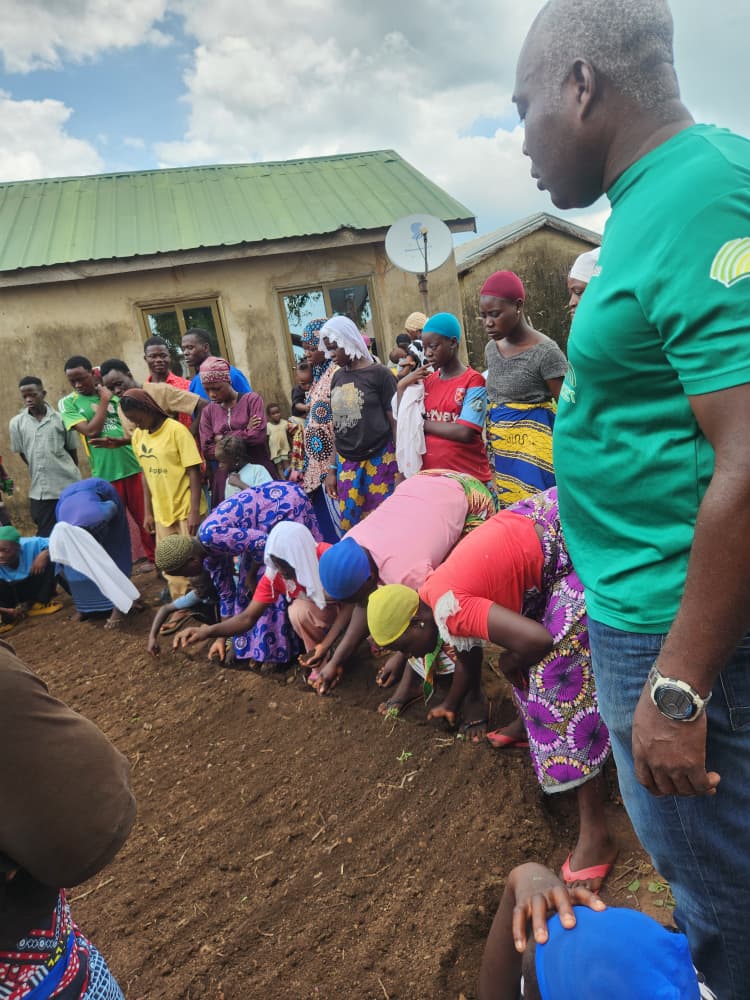
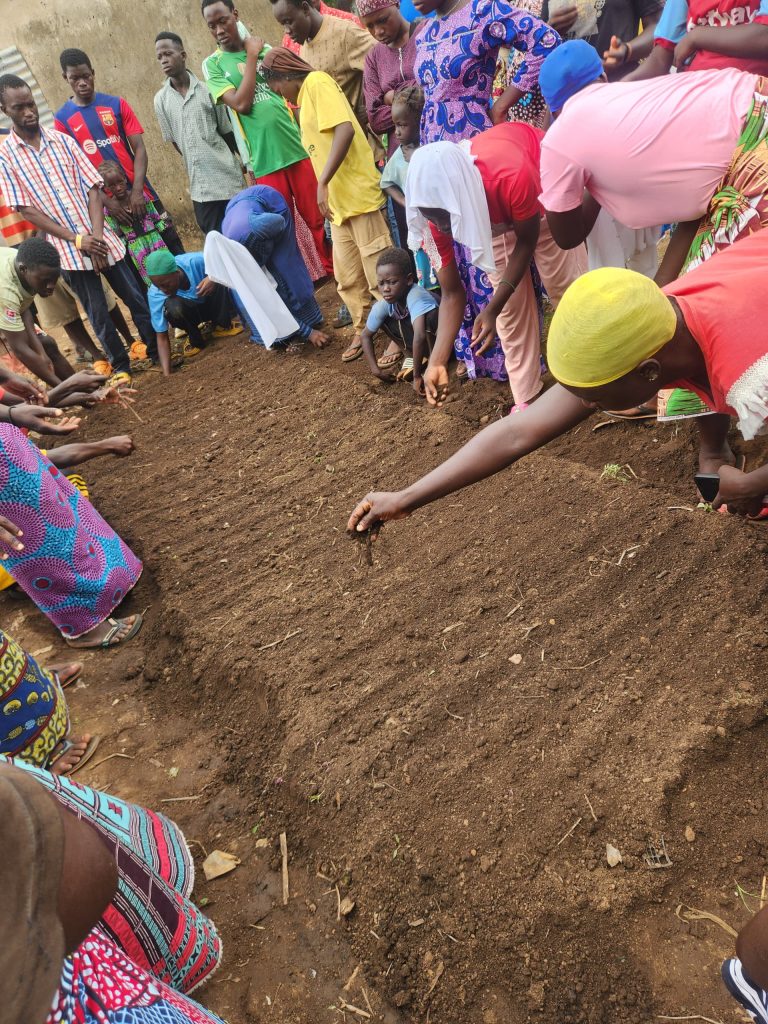
The training, held on Tuesday, September 1, 2026, under the Boost to Bloom Project, focused on the production of tomato, onion and pepper. Participants were equipped with practical knowledge covering the different stages of vegetable production, from nursery establishment and seedling production to harvesting and post-harvest handling.
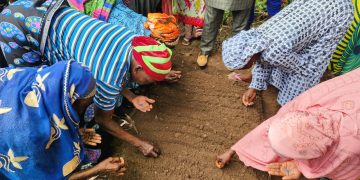
The training began with nursery establishment and seedling production, an important foundation for successful vegetable farming. Participants learned how to establish and manage nurseries and produce healthy seedlings capable of establishing well when transferred to the field. The quality of seedlings is critical because weak or poorly managed seedlings can affect crop growth, productivity and ultimately the farmer’s income.
Participants were also trained in land preparation and field establishment, with emphasis on preparing suitable land and creating the right conditions for healthy crop development. They learned that good production starts long before planting and that decisions made during land preparation can influence the performance of crops throughout the production cycle.
The training further covered transplanting and appropriate fertilizer application, providing participants with knowledge on how to handle seedlings carefully when moving them from the nursery to the field and how to apply fertilizers appropriately to support crop growth.
Participants were also introduced to good agronomic practices for vegetable production, which are essential for improving productivity, maintaining crop health and producing quality vegetables that can meet market expectations.
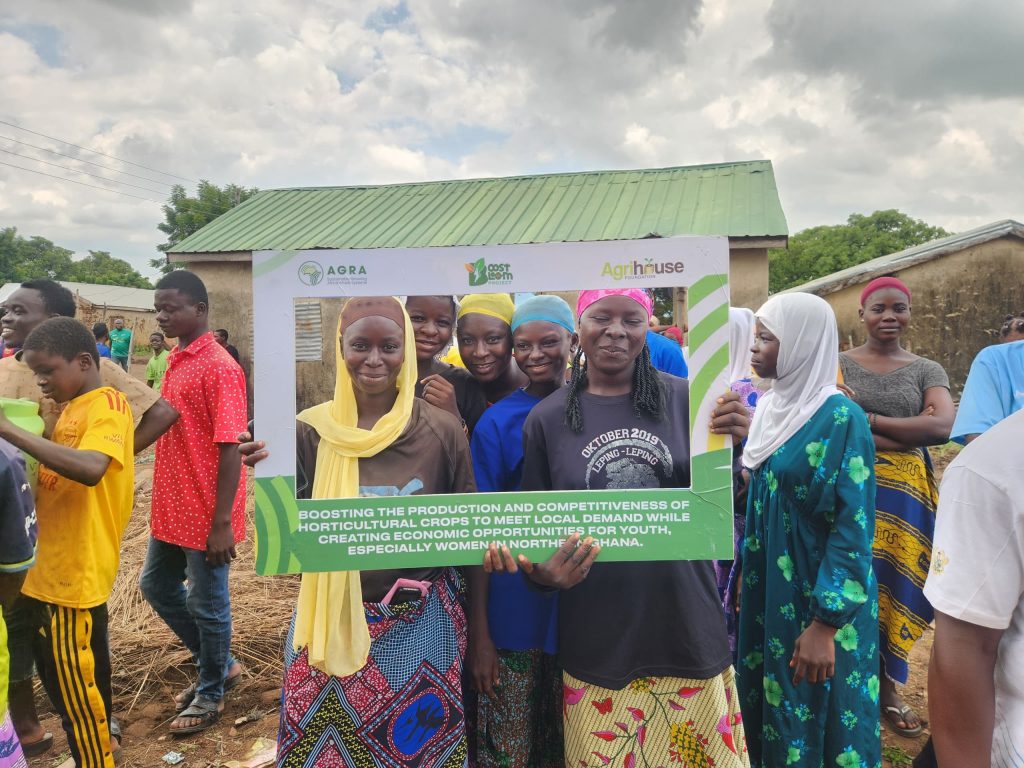
But the lessons at Kpalkore went beyond the technical aspects of farming.
Participants were encouraged to look at vegetable production not only as a means of producing food, but also as a business and an avenue for economic opportunity.
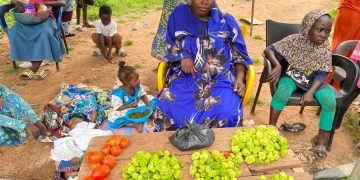
The demand for vegetables such as tomato, onion and pepper create opportunities across the horticultural value chain. These opportunities extend beyond farming to areas such as nursery and seedling production, input supply, aggregation, transportation, marketing, processing and distribution.
For young people, especially women, these areas can provide different entry points into agriculture and agribusiness. With the right skills, access to opportunities and market connections, vegetable production can contribute to household incomes, employment and stronger local economies.
This is particularly important in Northern Ghana, where strengthening local production can contribute to meeting demand while creating opportunities for people within the communities where the food is produced.
The participants were also educated on the importance of vegetables to human health. They were encouraged not only to grow vegetables for sale but also to make them part of their regular diets.
Vegetables provide important nutrients that support healthy living, making their consumption an important part of a balanced diet. By encouraging farmers and young people to both produce and consume vegetables, the training connected agricultural production with household nutrition and community well-being.
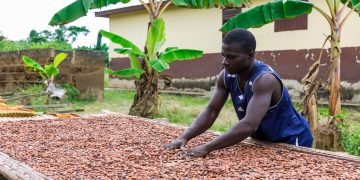
Another important area of the training was harvesting and post-harvest handling.
Producing a good crop is only one part of successful vegetable farming. How vegetables are harvested, sorted, handled, stored and transported can determine how much of the harvest eventually reaches the consumer in good condition.
Poor post-harvest handling can result in losses and reduce the income farmers receive from their efforts. Participants were therefore encouraged to pay attention to the quality of their produce beyond the farm, recognizing that good handling practices can help preserve quality, reduce losses and improve market value.
At the heart of the training was a broader message; agriculture becomes more rewarding when knowledge is combined with opportunity.
A farmer may have land, labor and the willingness to work, but without the right knowledge and practices, productivity can remain low. Similarly, producing vegetables without understanding quality, markets and post-harvest management can limit the income that can be generated from farming.
The Boost to Bloom Project seeks to help address these gaps by strengthening the knowledge and capacity of farmers and young people engaged in vegetable production.
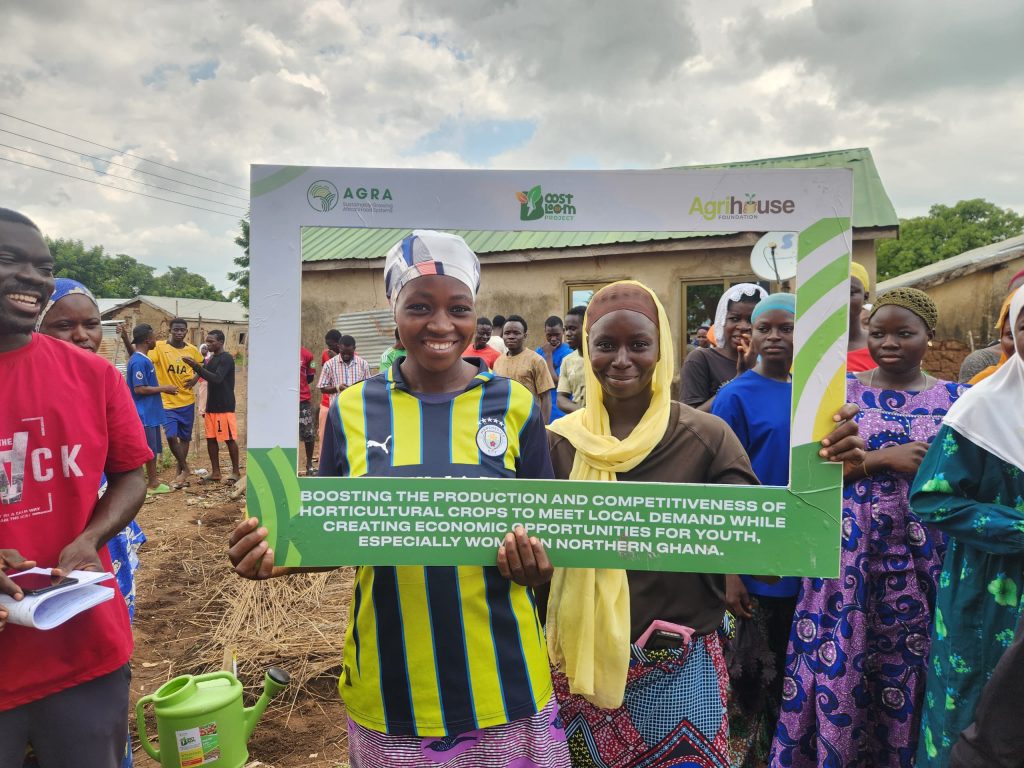
The project forms part of AGRA’s long-term outcome and contributes to efforts to strengthen horticultural production while creating opportunities for young people, particularly women, to participate more meaningfully in the agricultural economy.
For the more than 100 participants in Kpalkore, the training was therefore more than a day of learning. It provided practical knowledge that can influence how they establish their farms, manage their crops, protect the quality of their harvest and identify opportunities within the vegetable value chain.
For Kpalkore, the seeds of knowledge have been planted. The opportunity now is to turn that knowledge into productive farms, stronger businesses, healthier households and a more competitive horticultural sector in Northern Ghana.

