


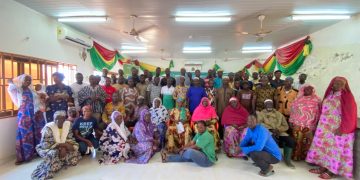

















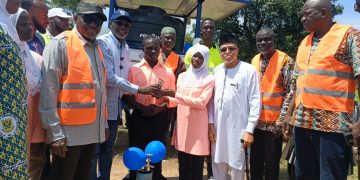
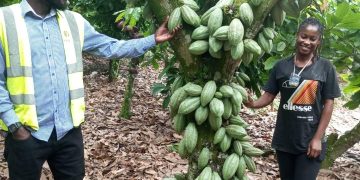
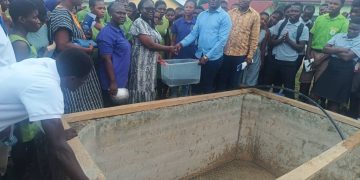











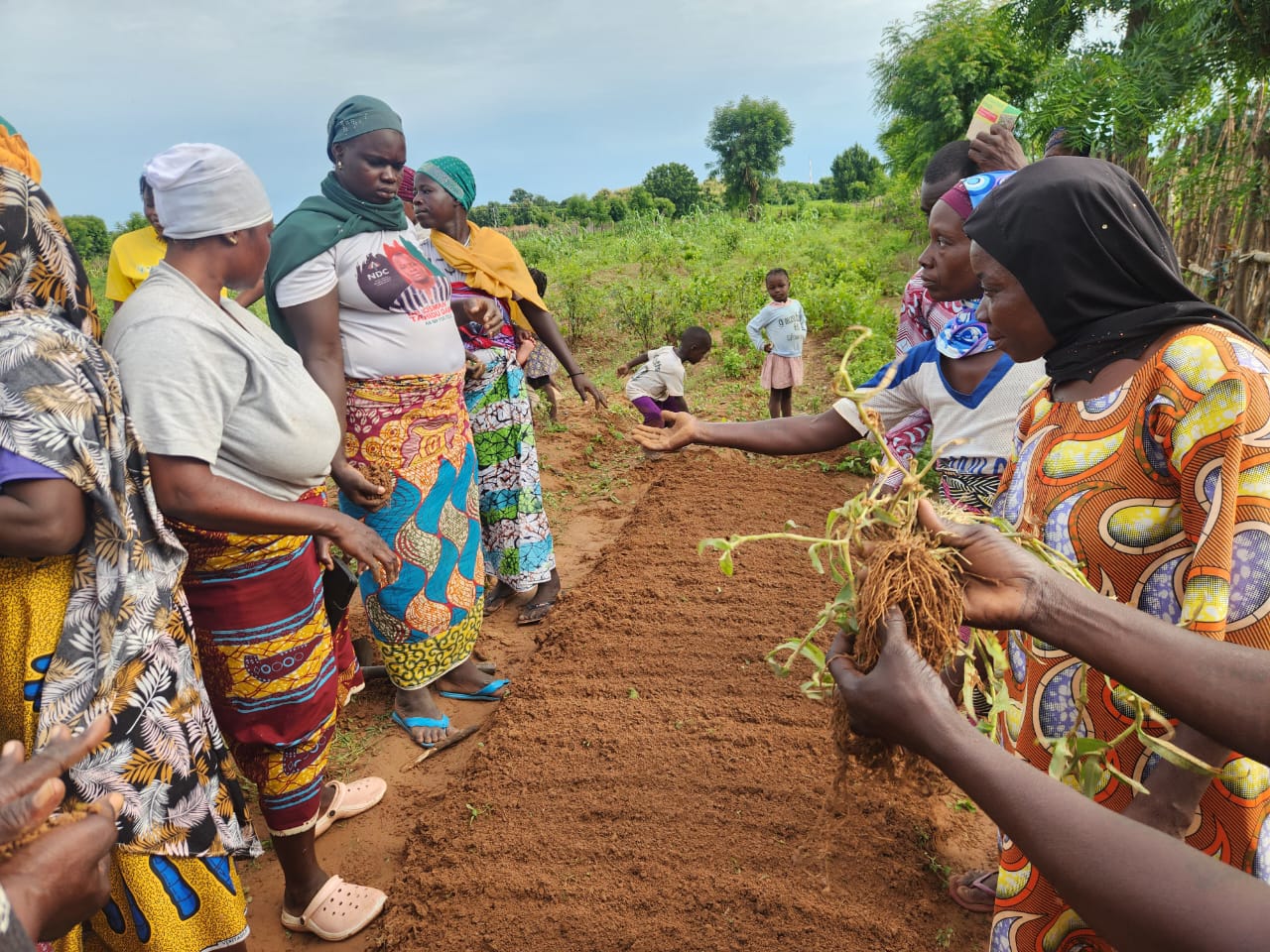
The Boost to Bloom Project has continued its efforts to equip farmers and young people with the knowledge and practical skills needed to improve vegetable production, reaching participants in Sabegu, Tolon District, in the Northern Region.
The training brought together farmers and youth for a series of practical sessions designed to strengthen their understanding of vegetable production from the nursery stage through to harvesting and post-harvest handling.
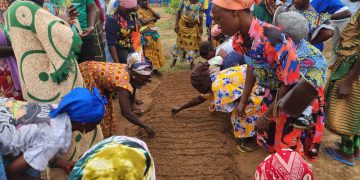
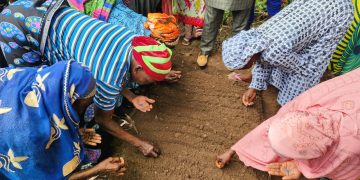
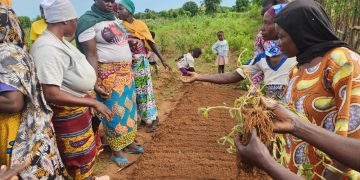
Participants were taken through nursery establishment and seedling production, where they learned how to properly raise healthy seedlings before moving them to the field. The training also covered land preparation and field establishment, equipping participants with knowledge on preparing suitable fields and creating the right conditions for healthy crop growth.
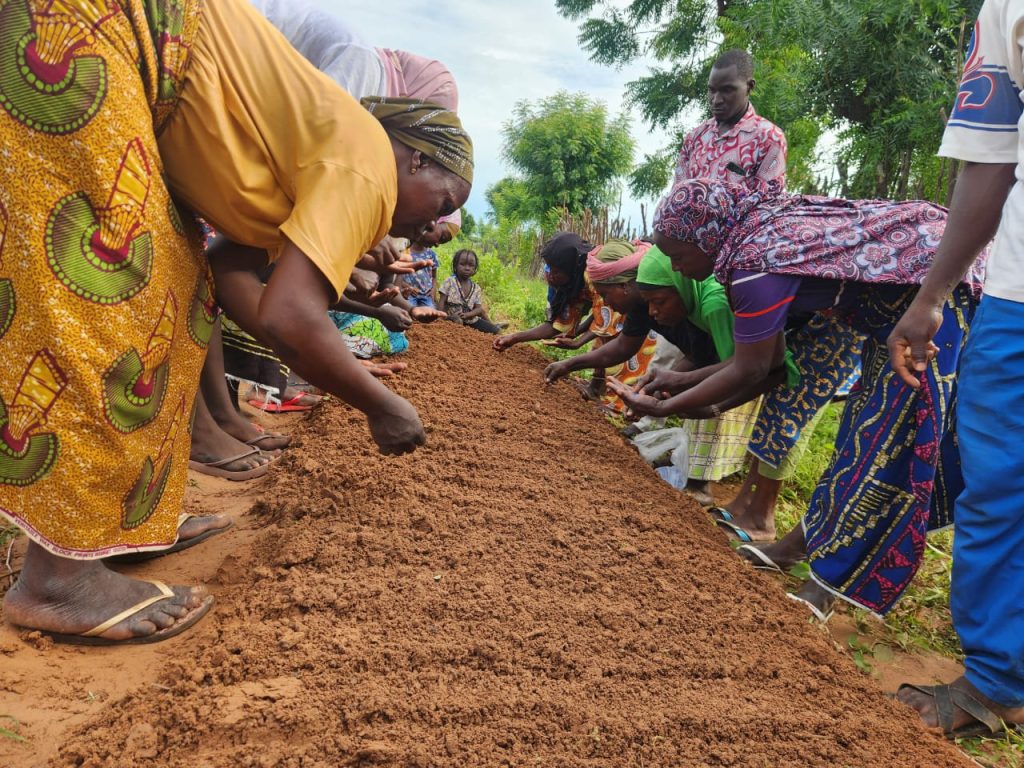
The sessions continued with transplanting, with participants learning the appropriate practices for moving seedlings from the nursery to the field while reducing damage and supporting good establishment.
Another important area covered was appropriate fertilizer application. Participants were educated on the importance of applying fertilizer correctly to support crop growth and avoid practices that could affect productivity.
The training also focused on good agronomic practices for vegetable production, helping participants understand the importance of proper crop management throughout the production cycle. From planting to crop care, the lessons emphasized practices that can contribute to healthier crops and improved yields.
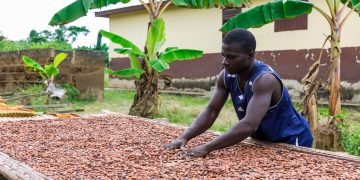
As production approaches its final stages, participants were also introduced to harvesting and post-harvest handling. This was aimed at helping them understand how proper harvesting and handling can help maintain the quality of vegetables and reduce unnecessary losses.
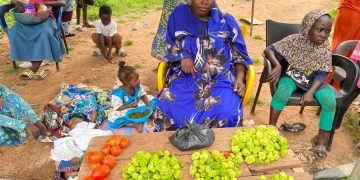
But the training was not only about growing vegetables. Participants were also encouraged to eat the vegetables they produce and were educated on the health and nutritional benefits of including vegetables in their daily meals. The message was simple: growing nutritious food is important, but making it part of our diets is equally important for healthier families and communities.
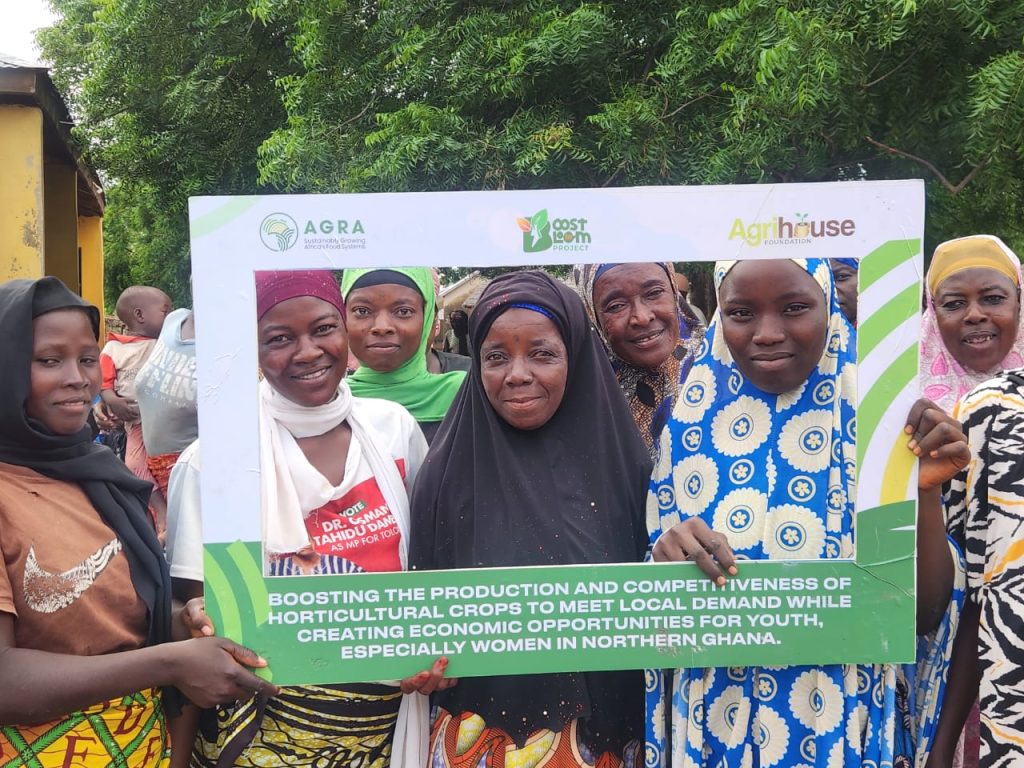
The training reflects the broader purpose of the Boost to Bloom Project, which forms part of AGRA’s long-term outcome of boosting the production and competitiveness of horticultural crops to meet local demand while creating economic opportunities for youth, especially women in Northern Ghana.
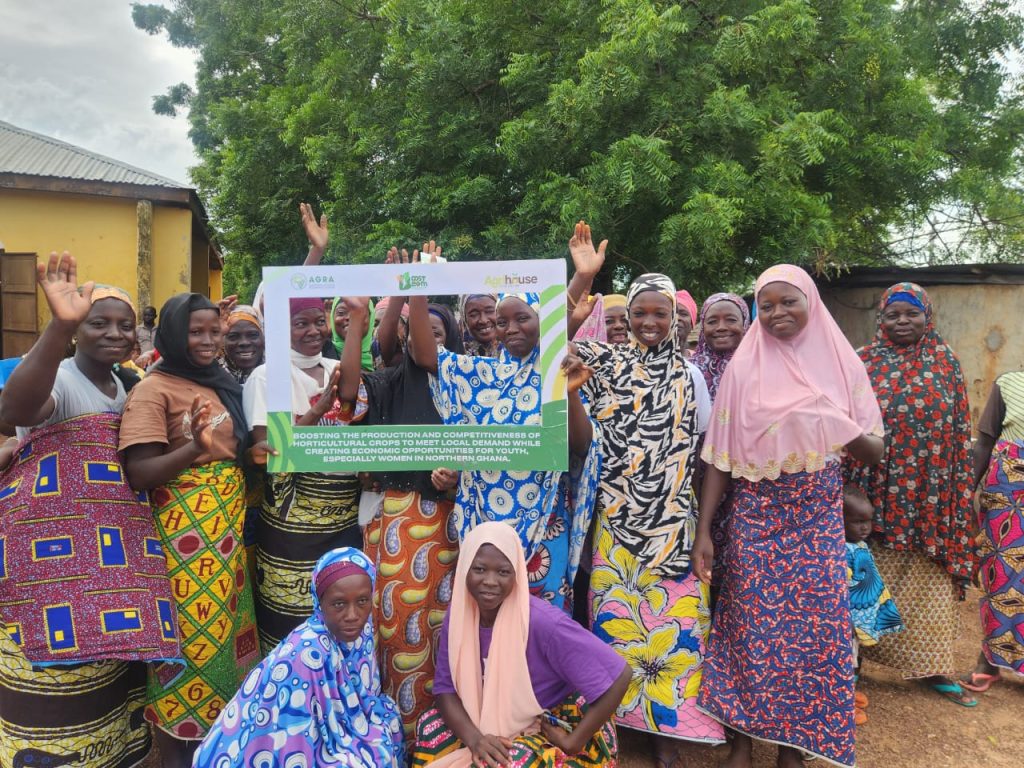
Through community-based training such as this, Boost to Bloom is working to strengthen the skills of farmers and young people while encouraging them to see vegetable production not only as a means of feeding their families, but also as a viable economic activity.
For the participants in Sabegu, the training offered new knowledge to take back to their farms and communities. And as these lessons move from the training space into the fields, the hope is that they will contribute to better production, healthier diets and greater economic opportunities.

