














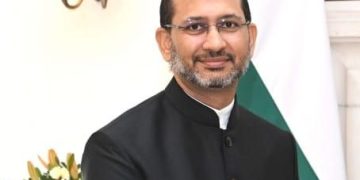















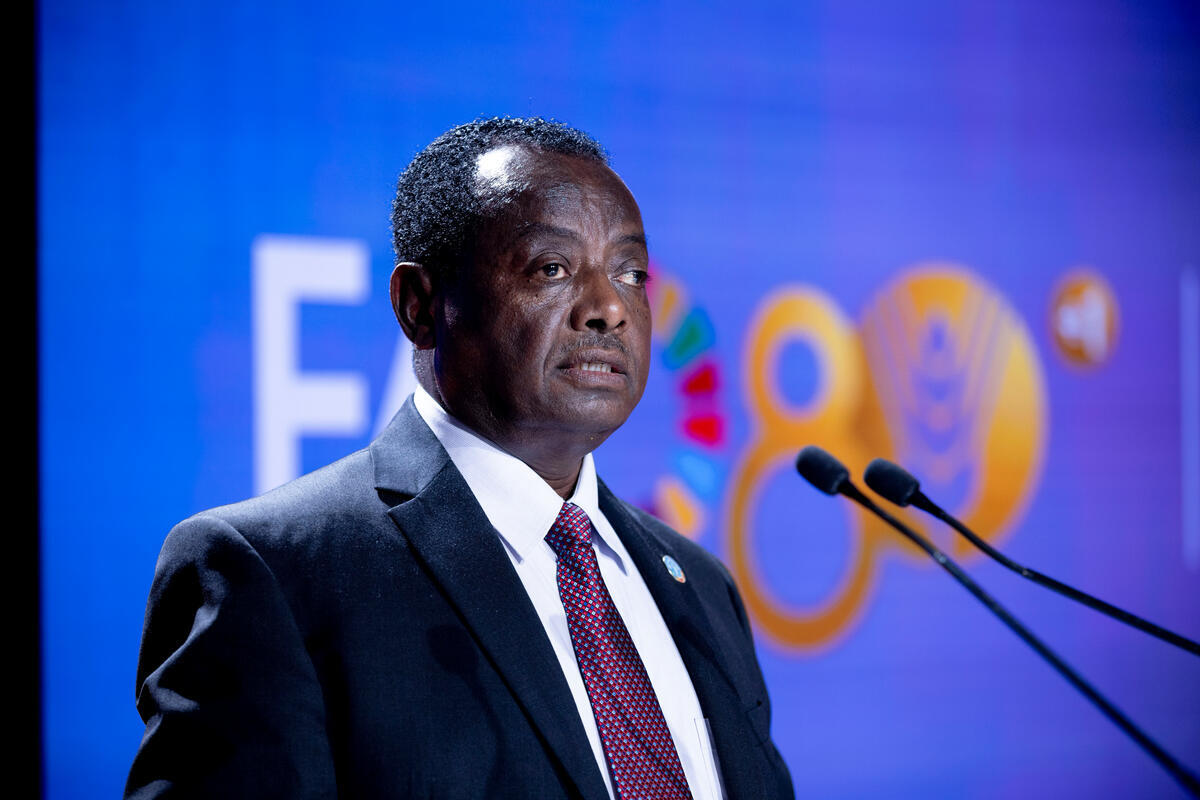

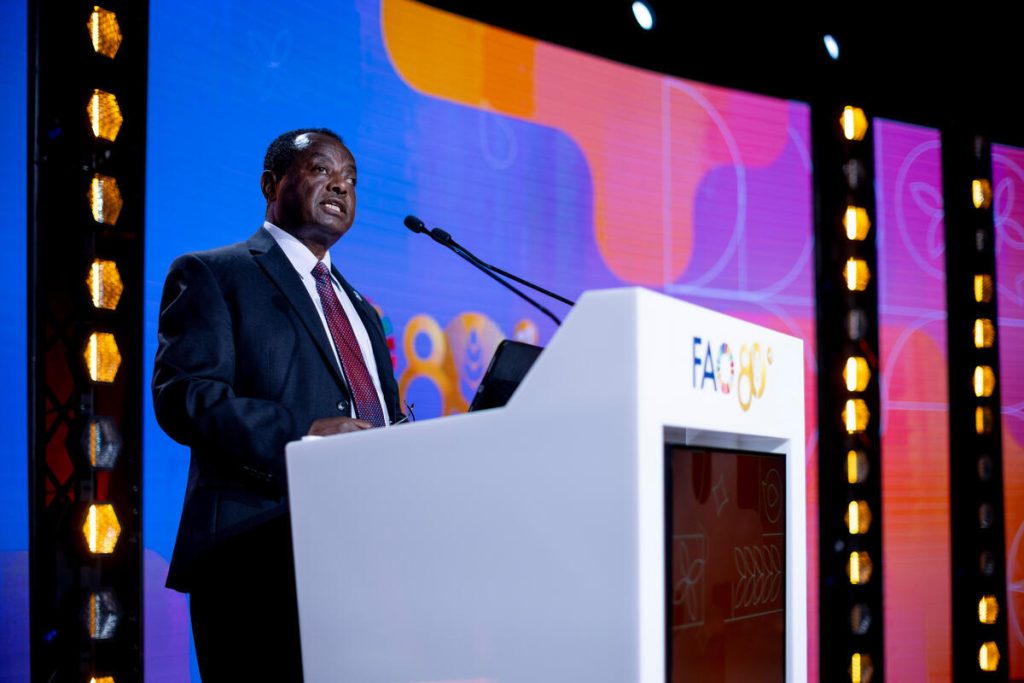
Dr Abebe Haile-Gabriel, FAO Deputy Regional Representative for Africa and Representative to Ghana, has called for greater youth leadership in Africa’s agrifood systems, urging governments and development partners to provide young people with the skills, financing and opportunities needed to transform the sector.
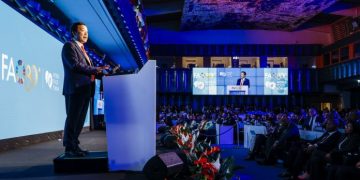
Speaking at a World Food Forum session titled Leading from the Front: Africa’s Youth Driving Agrifood Systems Transformation, Dr Haile-Gabriel said Africa’s youthful population should be viewed as a strategic asset rather than a challenge.
The session formed part of the 2026 World Food Forum flagship event, which brought together more than 90,000 people from 189 countries, which included 32,000 in-person attendees at the FAO headquarters in Rome. The event saw the participation of agrifood champions, policymakers, practitioners, advocates and global youth leaders, WFF National Chapter Leads, to discuss food systems transformation and the role of young people in shaping the sector’s future.
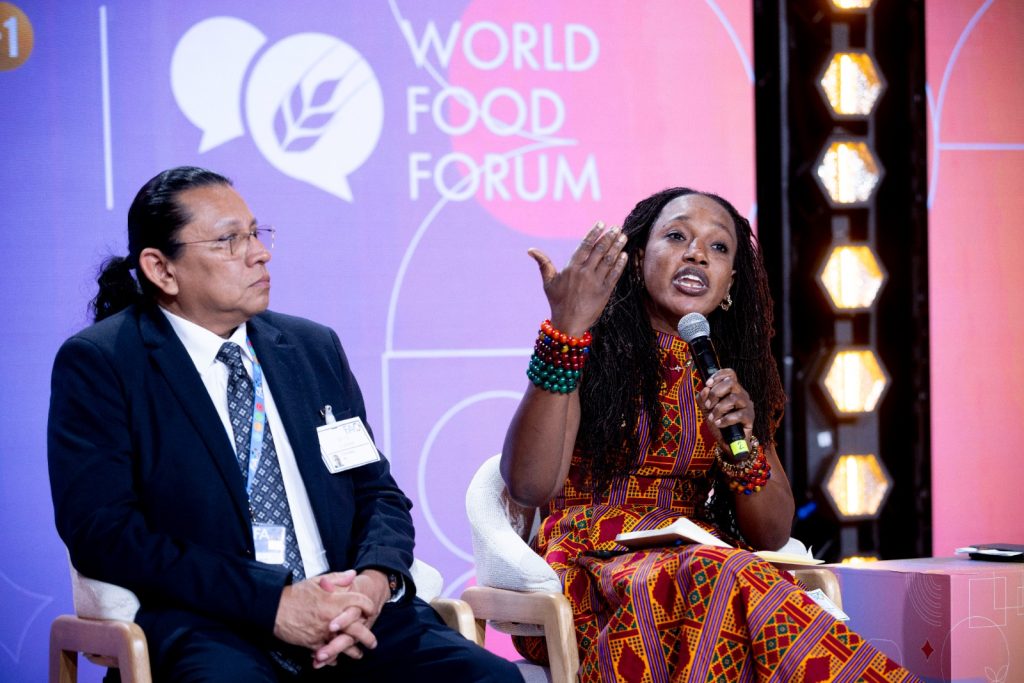
Alberta Nana Akyaa Akosa, the World Food Forum Ghana National Chapter Lead, highlighted how young people in national World Food Forum chapters across Africa are leading initiatives to transform agrifood systems. Speaking on behalf of the chapters, she called for stronger support for youth-led initiatives and more structured opportunities for young people to contribute to the continent’s agrifood development.
Dr Haile-Gabriel noted that more than 60% of Africa’s population is under the age of 25, arguing that young people’s creativity, entrepreneurial spirit and resilience would be critical to the future of food production, processing, trade and innovation.
“The future of agri-food systems will be determined by creativity, talent, resilience, and entrepreneurial spirit of the young women and men who produce, process, trade, and innovate across the entire food system,” he said.
Dr Haile-Gabriel said agriculture should no longer be presented to young people as a sector of last resort but as a source of innovation, entrepreneurship and prosperity.
He noted that the sector was becoming increasingly knowledge-intensive, technology-driven and innovation-led, requiring young Africans not only to adopt new technologies but also to create, adapt and scale them.
To support this transition, he identified three priorities: investment in knowledge, skills and innovation; the development of viable business models for young people; and the creation of an enabling environment that gives young people a meaningful role in policymaking and investment decisions.
He said young people needed access to quality education, technical and vocational training, digital skills, entrepreneurship training and financial literacy, alongside stronger connections between education, research and the economy.
Dr Haile-Gabriel also stressed that skills and ambition alone would not be enough to establish successful agrifood businesses without access to finance, land, technology, markets, infrastructure, mentorship and business networks.
He called for profitable, technology-enabled and market-oriented opportunities in areas such as agricultural technology, digital services, agro-processing, logistics, climate-smart enterprises and green jobs.
On youth participation in decision-making, he said young people must have a genuine voice in shaping policies, programmes and investments that affect the future of agrifood systems.
“Not simply an invitation for them to listen after decisions have been made,” he said, adding that those who would live with the consequences of present decisions should have a meaningful role in making them.
Dr Haile-Gabriel said FAO was working with governments, regional institutions, development partners and youth organisations to strengthen engagement with young people across Africa.
He cited youth-focused engagements associated with the 34th Session of the FAO Regional Conference for Africa, held in Mauritania, as examples of efforts to bring young people into discussions on innovation, employment, investment and the future of the continent’s agrifood systems.
He also highlighted the Africa Forum on Science and Innovation for Agri-Food Systems, scheduled for October 27–29 in Addis Ababa, Ethiopia, where young innovators, entrepreneurs, researchers and other changemakers were expected to play an important role.
Dr Haile-Gabriel said progress should be measured not simply by the number of young people participating in programmes but by their achievements in creating businesses, developing technologies, generating jobs, leading research, influencing policy and managing investments.
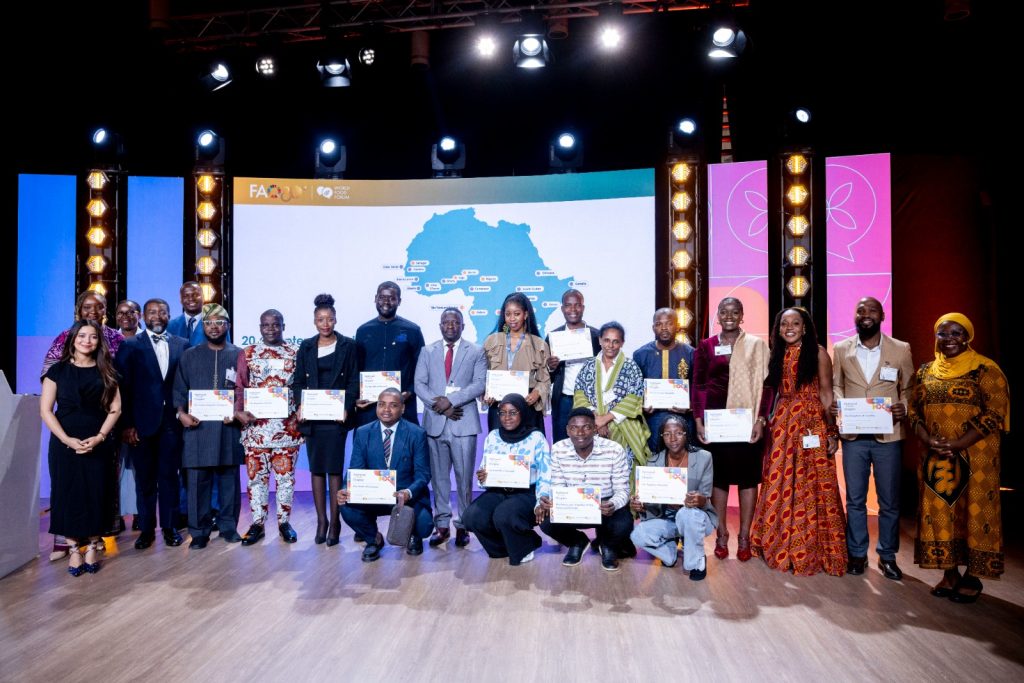
He further welcomed the launch of 13 additional World Food Forum national youth chapters in Africa, bringing the total number on the continent to 33. He described the chapters as a growing network through which young Africans could exchange ideas, build cross-border partnerships and contribute to agrifood systems transformation.
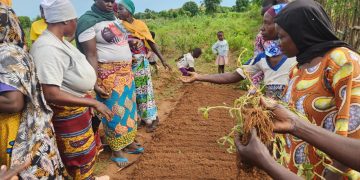
Akosa highlighted youth-led initiatives across African countries, including digital education, training for rural women farmers, climate-smart agriculture, organic fertilizer production from waste, research and policy engagement.
She called for more structured approaches to youth participation, including specialization and stronger national platforms to support young people working across different parts of the agrifood value chain.
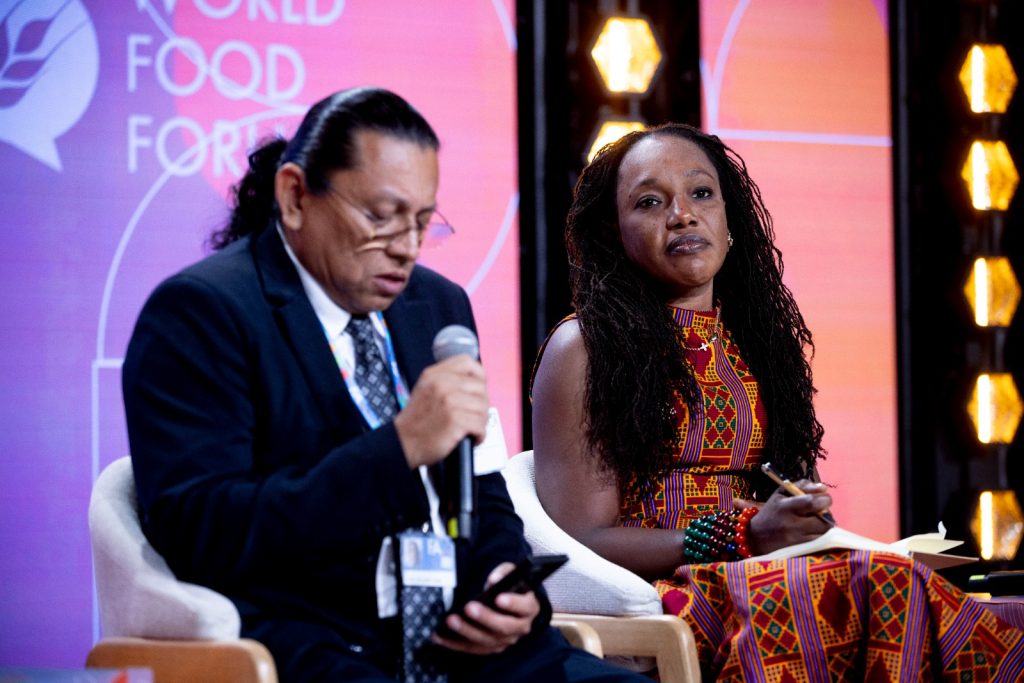
Akosa said youth engagement should extend to specialised areas such as crop nutrition, crop protection, agricultural inputs, marketing, services and post-harvest loss management.
She also called for African countries to pursue the establishment of agrarian academies to strengthen specialised knowledge and skills.
Akosa said an integrated approach involving the World Food Forum and national institutions would be necessary to build stronger pathways for young people to lead agrifood systems transformation.
About World Forum (WFF) Flagship Event
The World Food Forum (WFF) flagship event is a global platform by the Food and Agriculture Organization (FAO) that seeks to accelerate the transformation of agrifood systems through youth action, science and innovation, and investment.
The 2026 edition was held from October 8 to 16 at the headquarters of the Food and Agriculture Organization of the United Nations in Rome, Italy.
The event was organized around three pillars: Global Youth Action, the Science and Innovation Forum, and the Hand-in-Hand Initiative Investment Forum, bringing stakeholders together through dialogues, innovation activities and partnerships aimed at advancing the Sustainable Development Goals.